
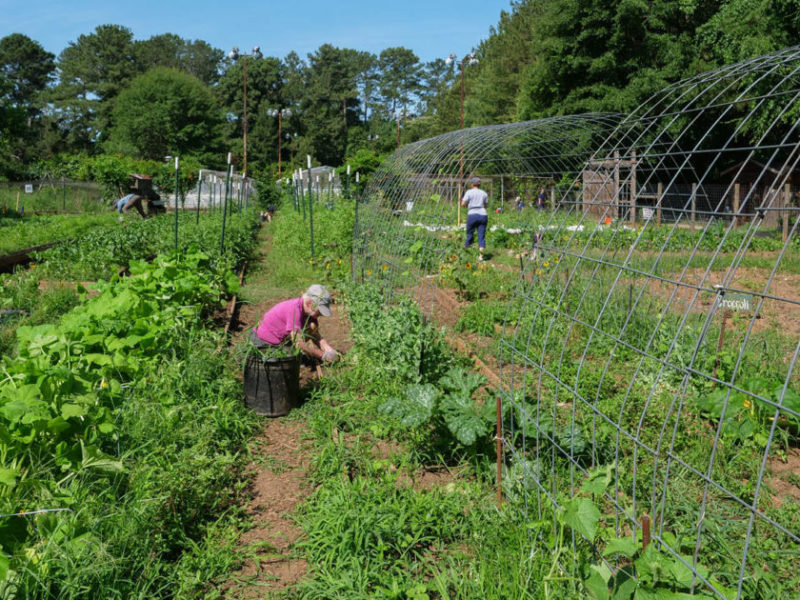
Can pulling weeds really be meditative?
Update on the CNC native gardens
By Jacqueline McRae, Manager of Horticulture and Gardens
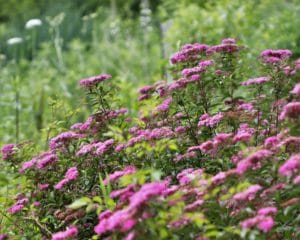 Out on the grounds here at CNC, the Horticulture Team is truly gardening for wildlife year-round. In summer there is much work to be done to keep nectar flowing for the butterflies, bees, and other pollinators that visit the grounds.
Every day we tend to the amazing collections of native plants that provide shelter and will produce the seeds and berries for our Georgia birds and wildlife in the fall. With our visitors in mind, we want the beds of plants native to Georgia to look the best they can so when you visit there is always something new to see in bloom.
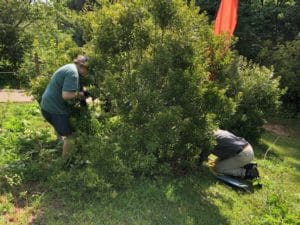 Volunteers helping on the CNC grounds
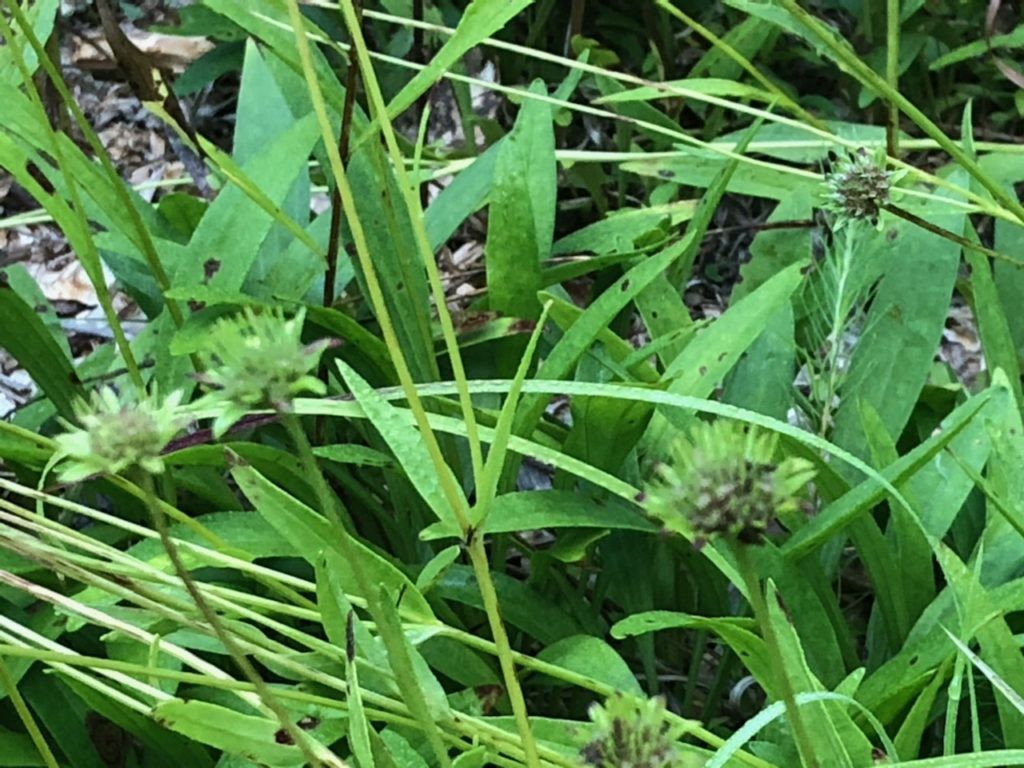
A newly forming group of CNC grounds volunteers has begun to pitch in with the Horticulture Team and beginning to appreciate the satisfaction of bigger projects such as rescuing trees inundated with vines as well as smaller projects such as weeding very carefully between the native Georgia plants we want to see thrive.
Down in the weeds we are literally as close to nature as anyone can be!
 Native Plant Sale
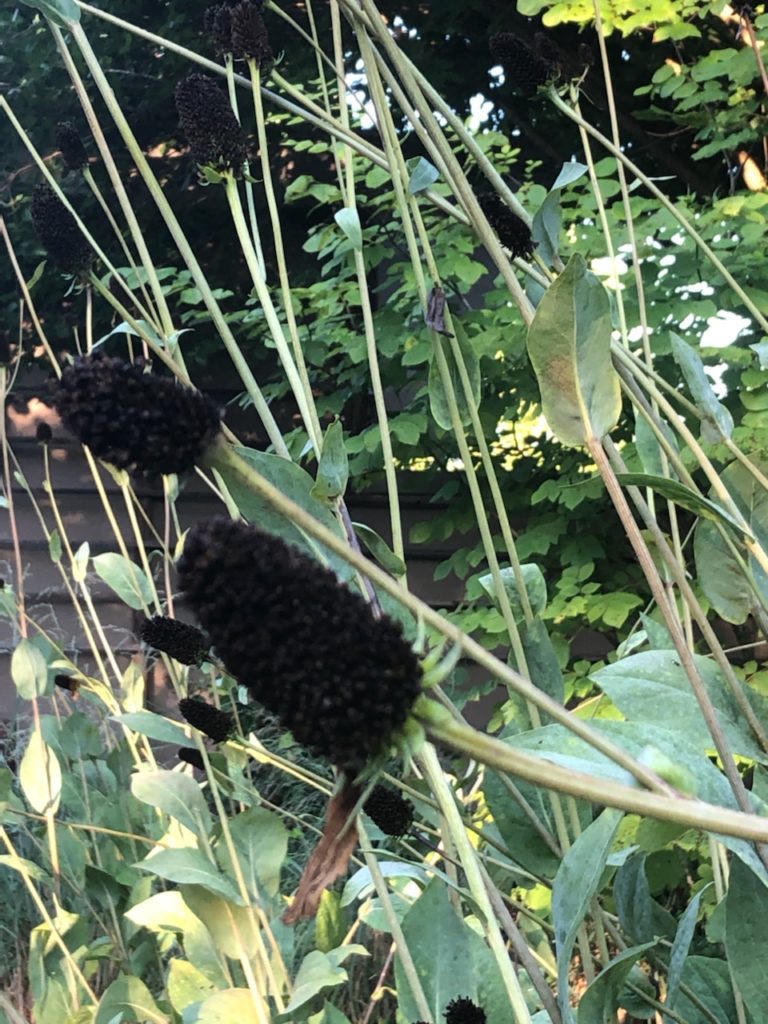
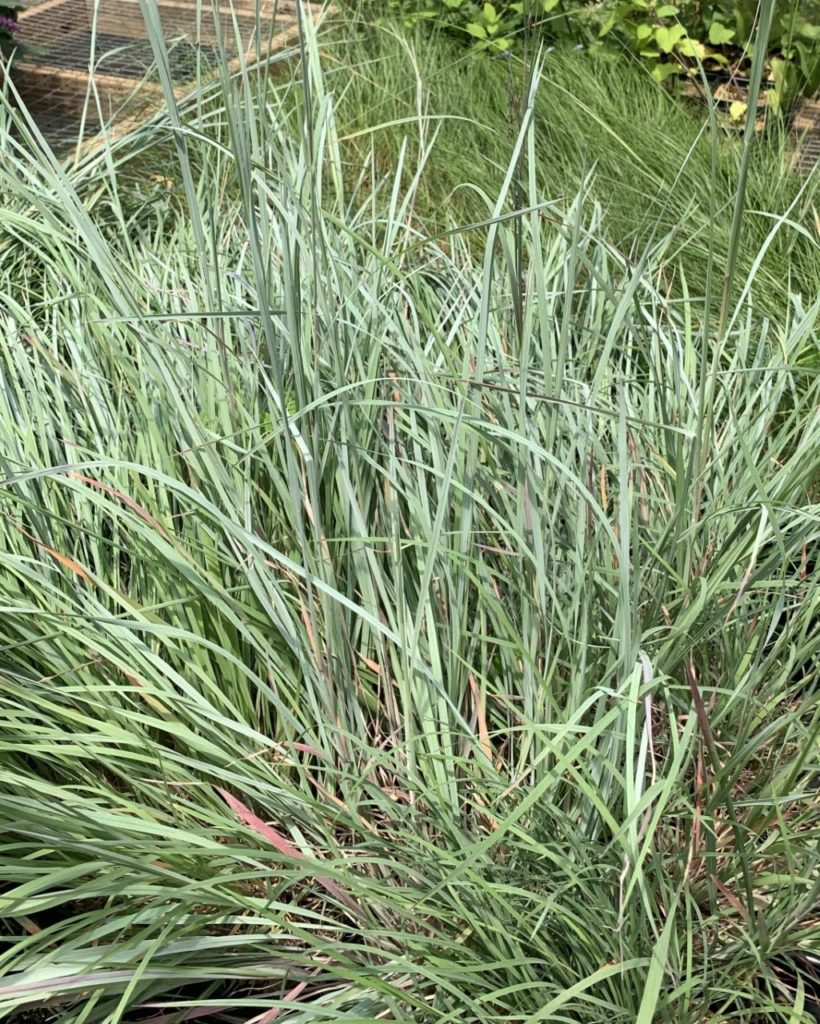
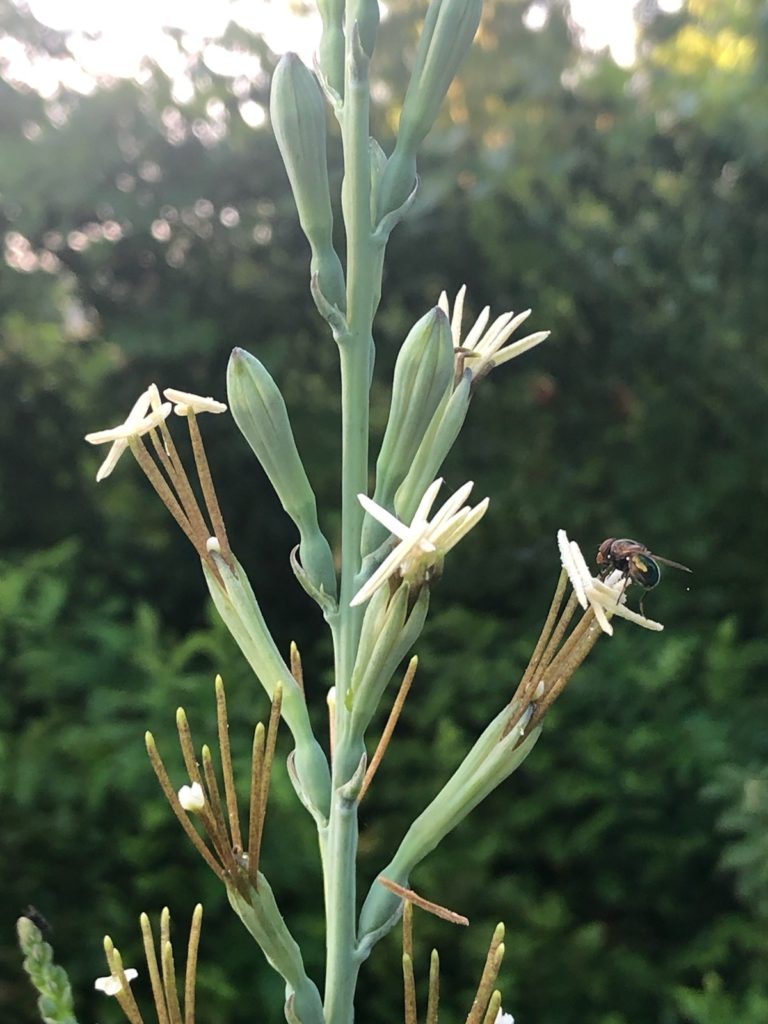
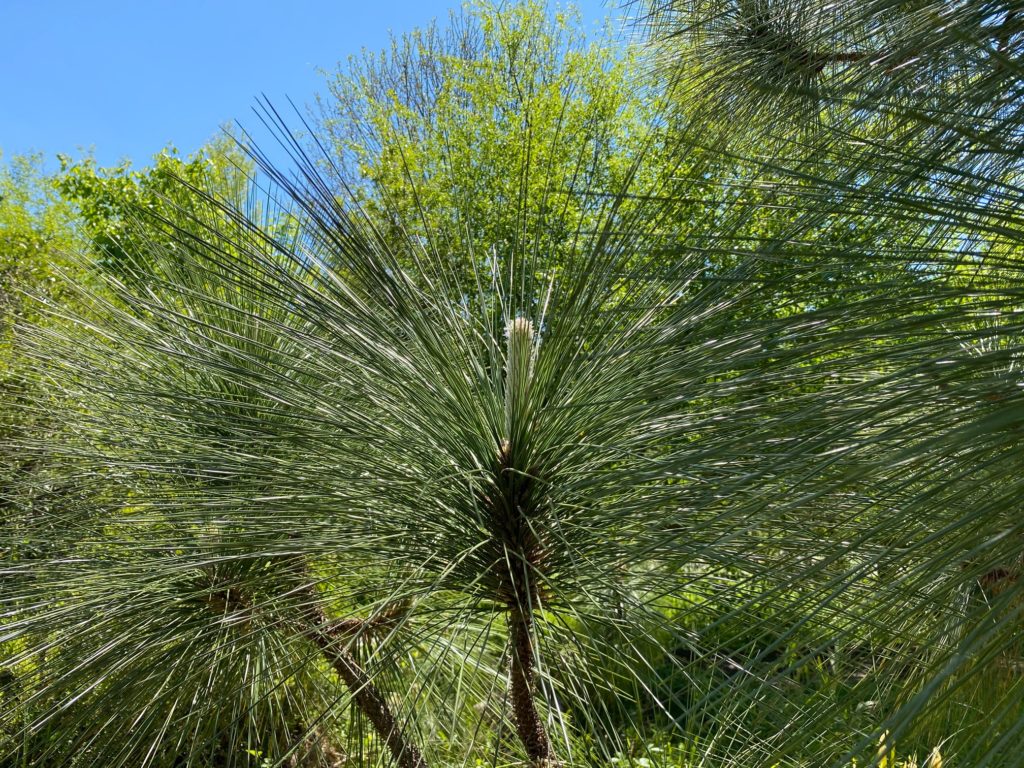
It is important to our local Georgia food web that we especially look after the plants native to Georgia and include them in our landscapes. We grow wildflowers here at CNC and you can too in your home gardens and community spaces. These native plants are adapted to our weather and our soils. They provide vital sources of food and shelter for birds, caterpillars, and many other species of wildlife that call Georgia home.
With this in mind, you can imagine how happy the Horticulture Team was to discover the first orange and black caterpillars of the Gulf Fritillary butterfly chowing down on newly emerged Passionflower vines growing in the gardens.
You too can look forward to feeding many other butterflies and hosting their caterpillars with our Georgia plants in the months to come by checking out the native plant sale located next to the Butterfly Encounter until August 8.
Unity Garden Update
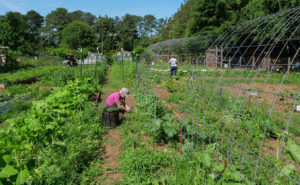
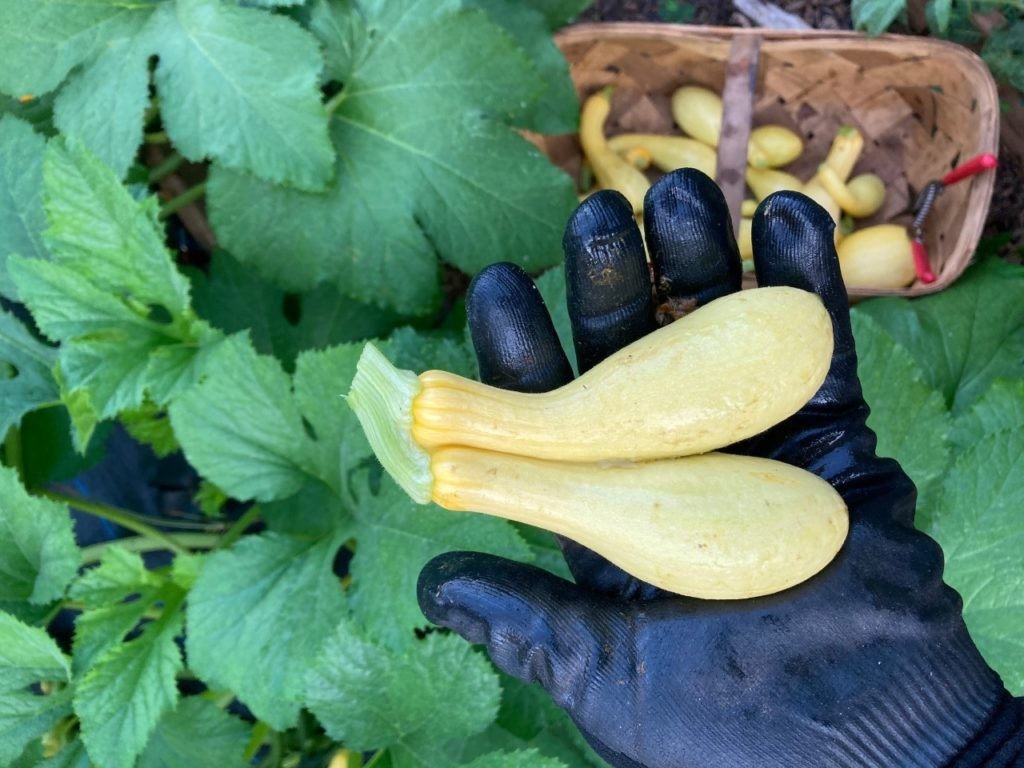
CNC has a group of volunteers that loves to pull weeds and who readily join the Horticulture team each week in the Unity Garden to pitch in and help. “Weeding is meditative”, they say, even in the Georgia summer heat and humidity as they happily get in between rows of vegetables and beds of herbs to pull out any offending weeds. No worries, there are plenty of weeds left for any of you who would like to join us!
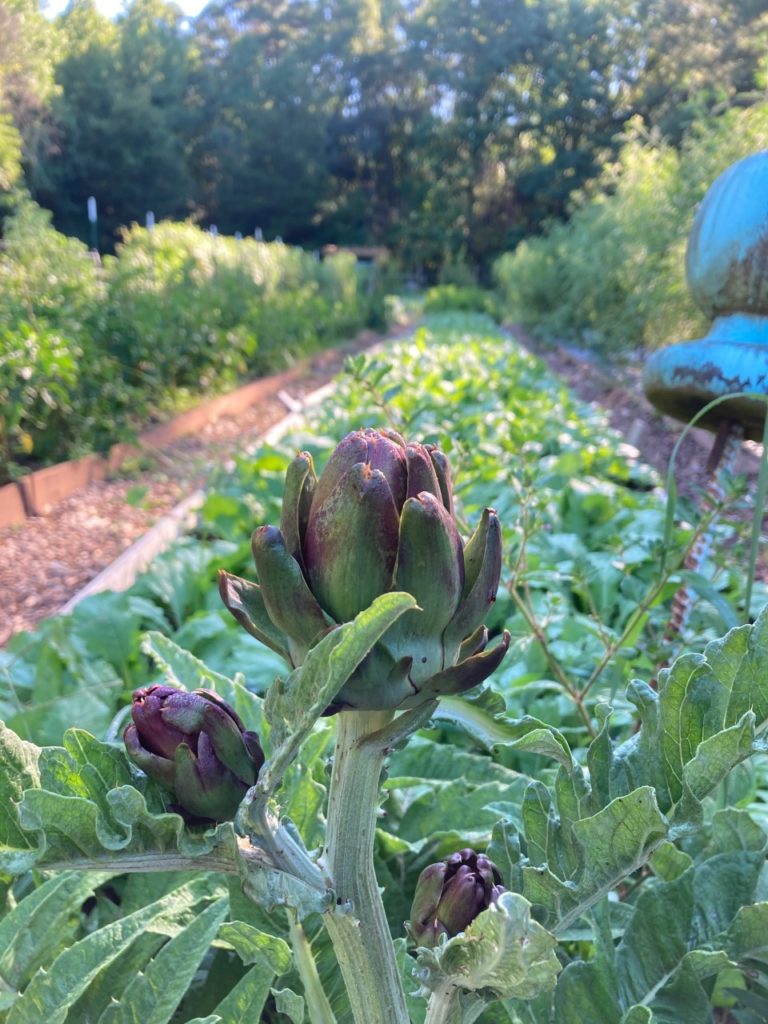
The Unity Garden was fully planted for summer by mid-June using plants grown from the seeds sown with the help of volunteers earlier in the spring. With all of us working together Horticulture successfully raised extra tomato and pepper seedlings and was very happy to be able to donate these plants for distribution by the Atlanta Food Well Alliance.
 Volunteering at CNC
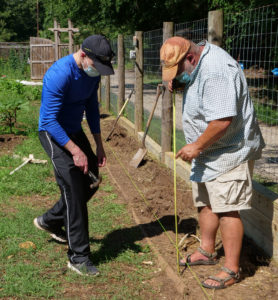
Last month we greeted large groups of volunteers with open arms for the first time since what felt like forever. In addition to the usual harvesting, weeding, and planting in June we also embarked on a project to build a second set of raised beds in the Unity Garden. The raised beds will help to provide good drainage for our plants and keep out some of the weeds from the pathways through the garden.
Check out the CNC website to volunteer if you like the idea of rolling up your sleeves, joining other volunteers as we learn more about the plants that support our natural world here in Georgia as well as about the plants not from Georgia growing here and that we need to remove.
Visit CNC and explore the native gardens and if you are looking for a way to relax and give back explore volunteering with the Horticulture Department!
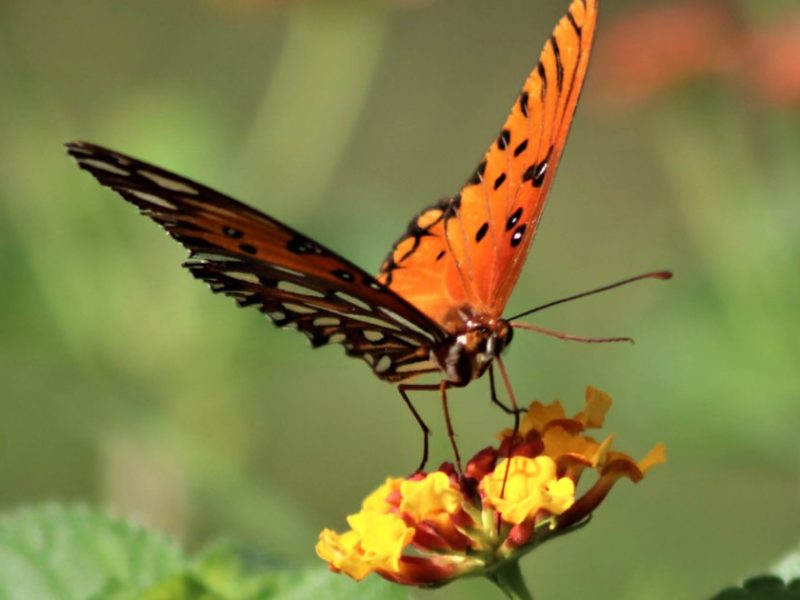
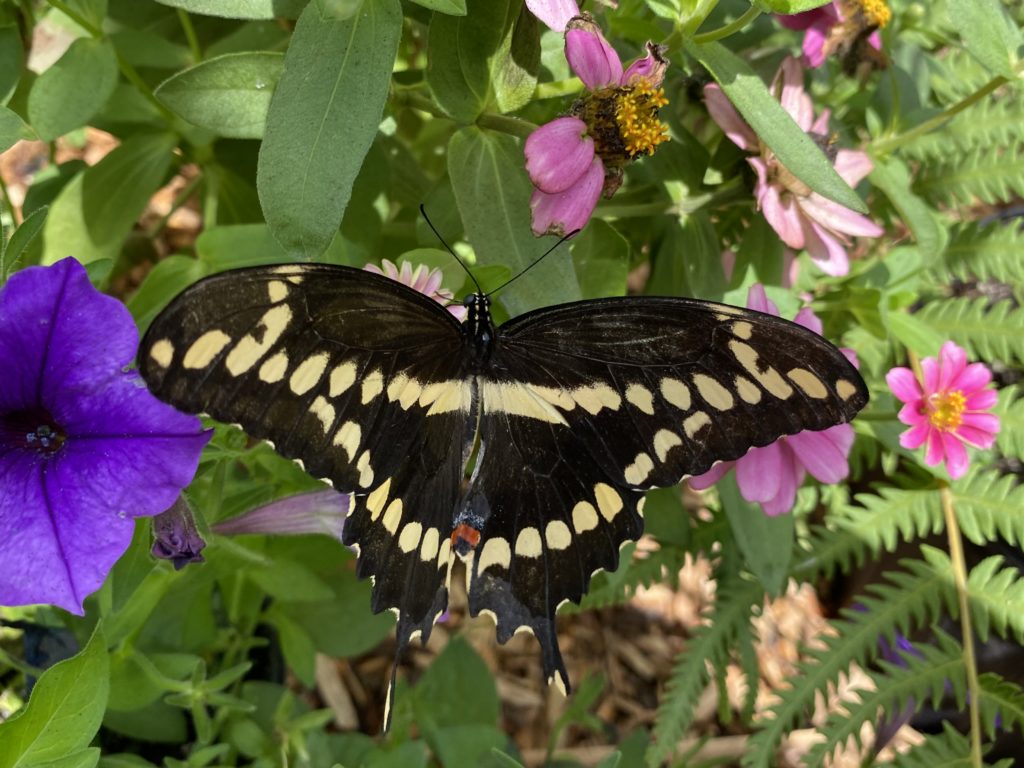
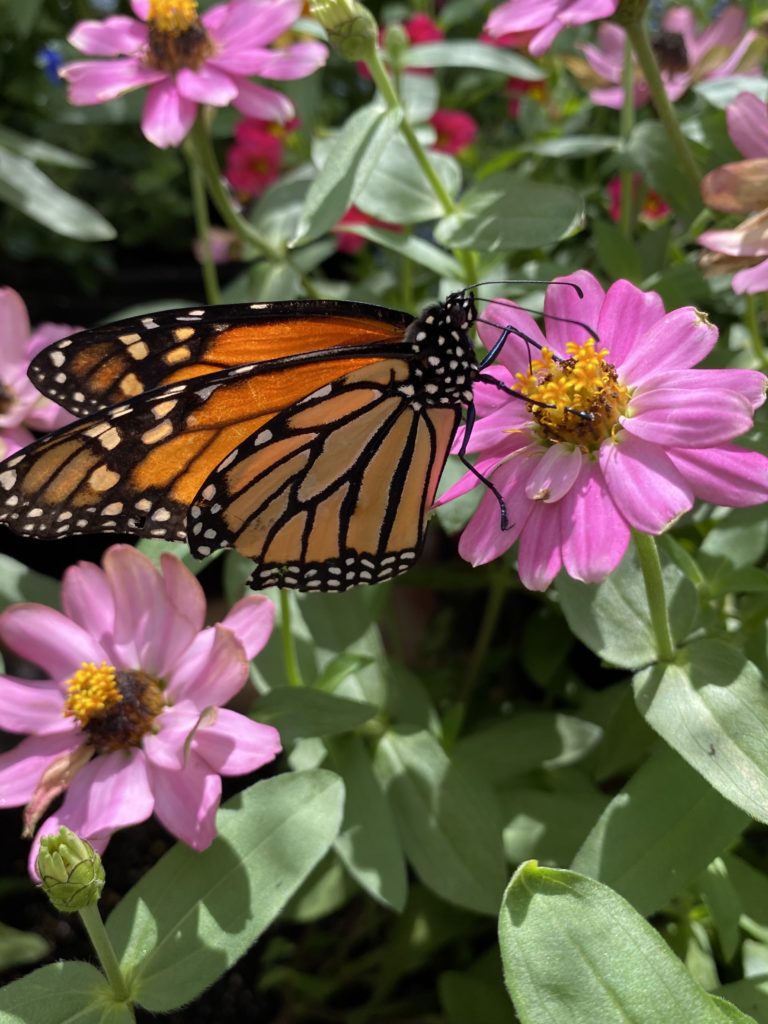
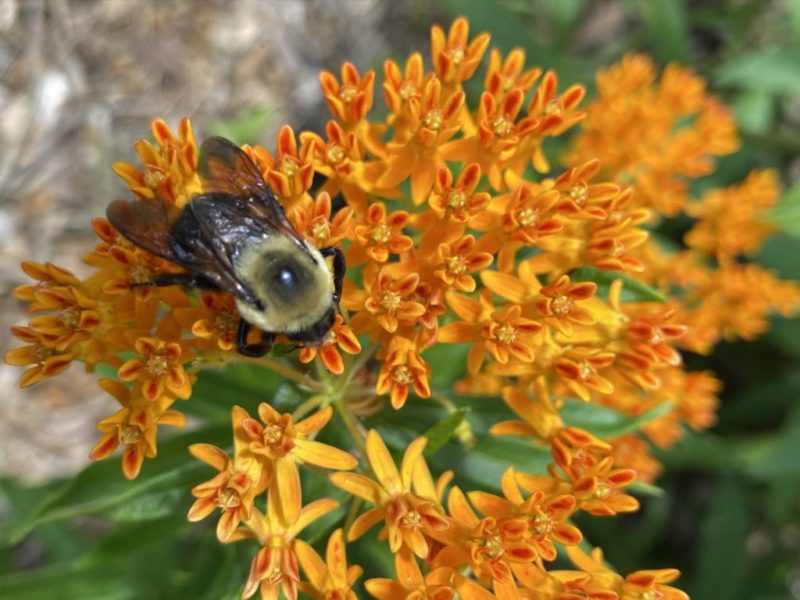
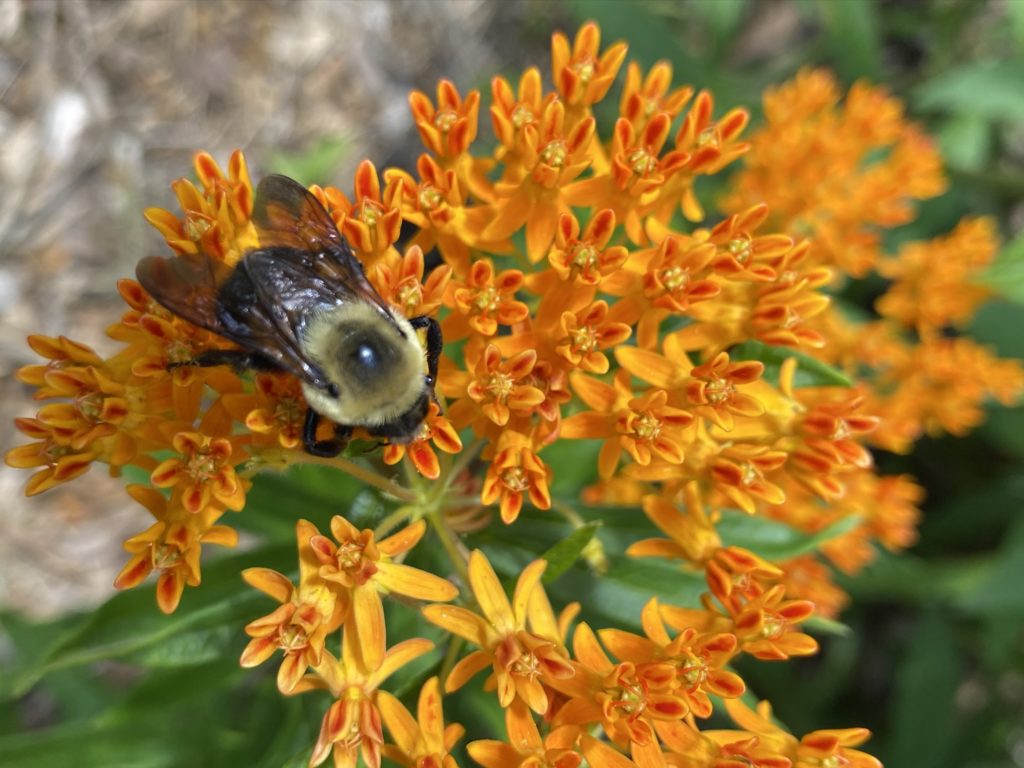
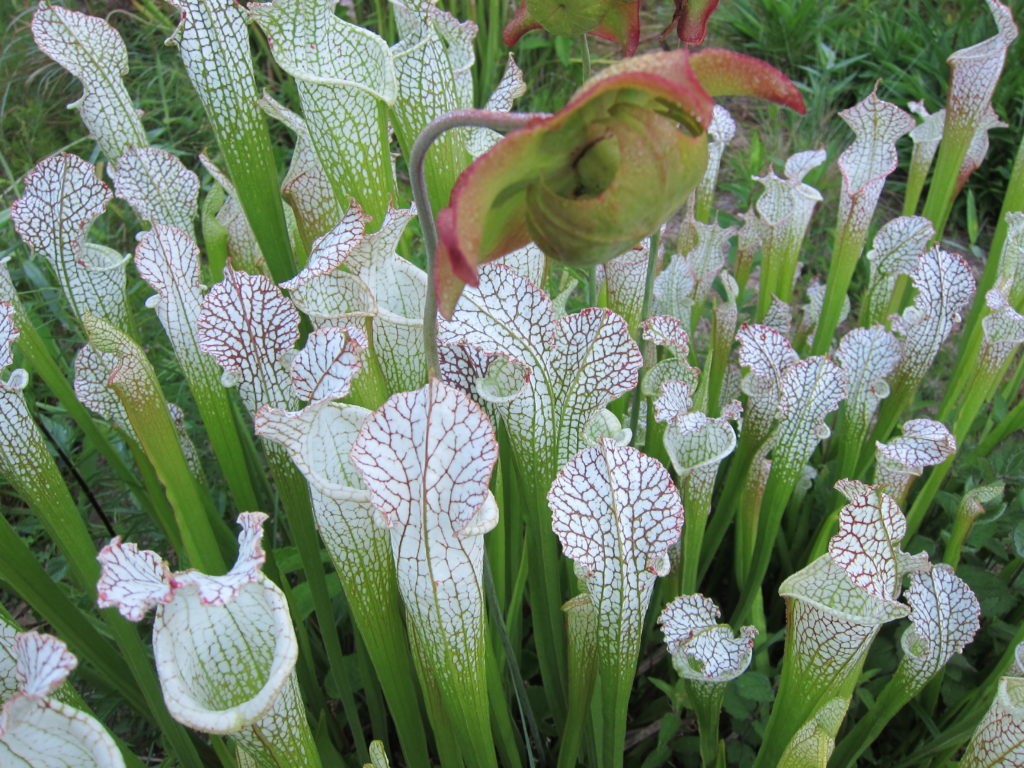
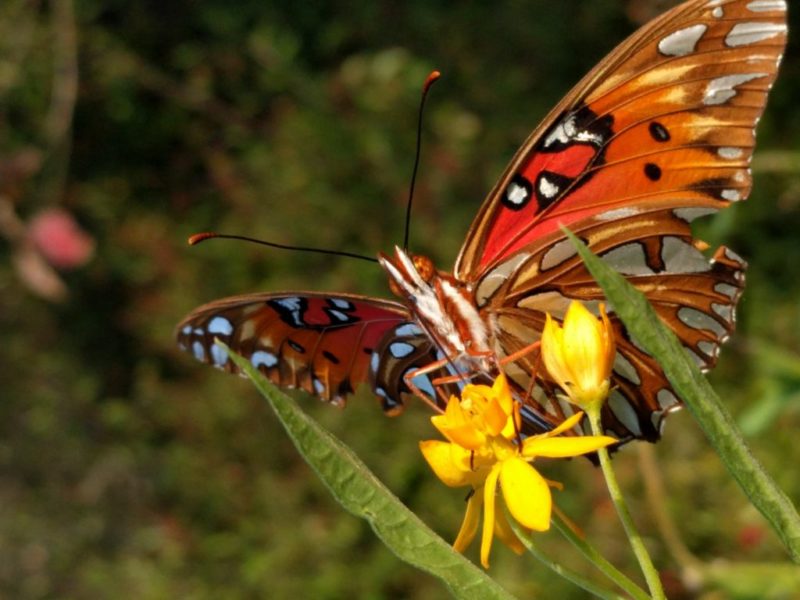
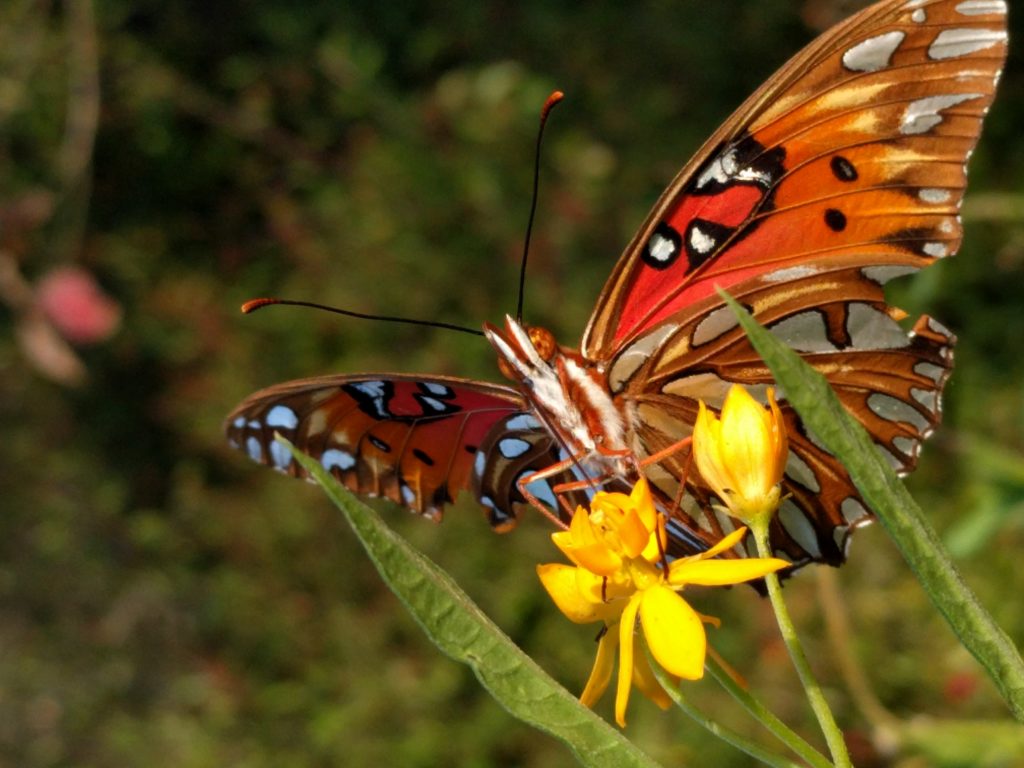 Pollinators of all kinds – including bees and butterflies – are relied upon heavily in the plant world to, well, pollinate. The relationship between pollinators and flowers is one that most people understand. Butterflies rely on nectar, the sweet liquid found hidden within flowers. As a butterfly lands and sips nectar it unintentionally picks up pollen. By doing that it does the flower a favor by moving its pollen around the garden and ensuring another generation of blooms. While a butterfly may visit a variety of flowers for nourishment, they look for specific plants – called “host plants” – on which to lay eggs. A caterpillar is choosy; it will not munch the leaves of just any plant.
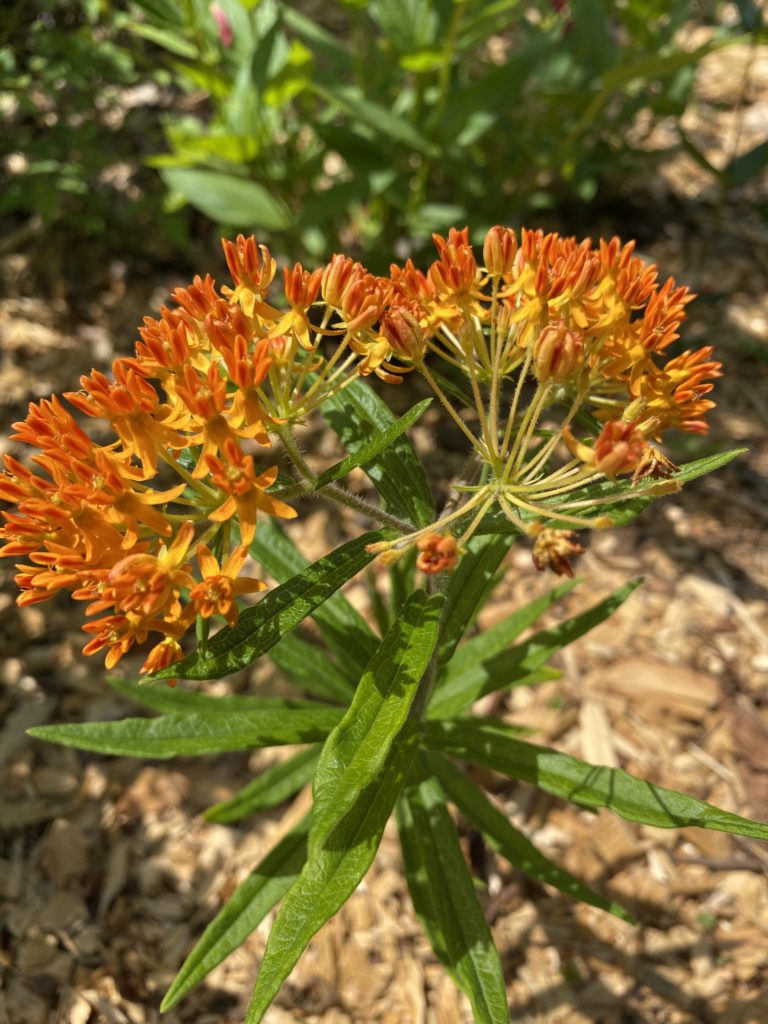
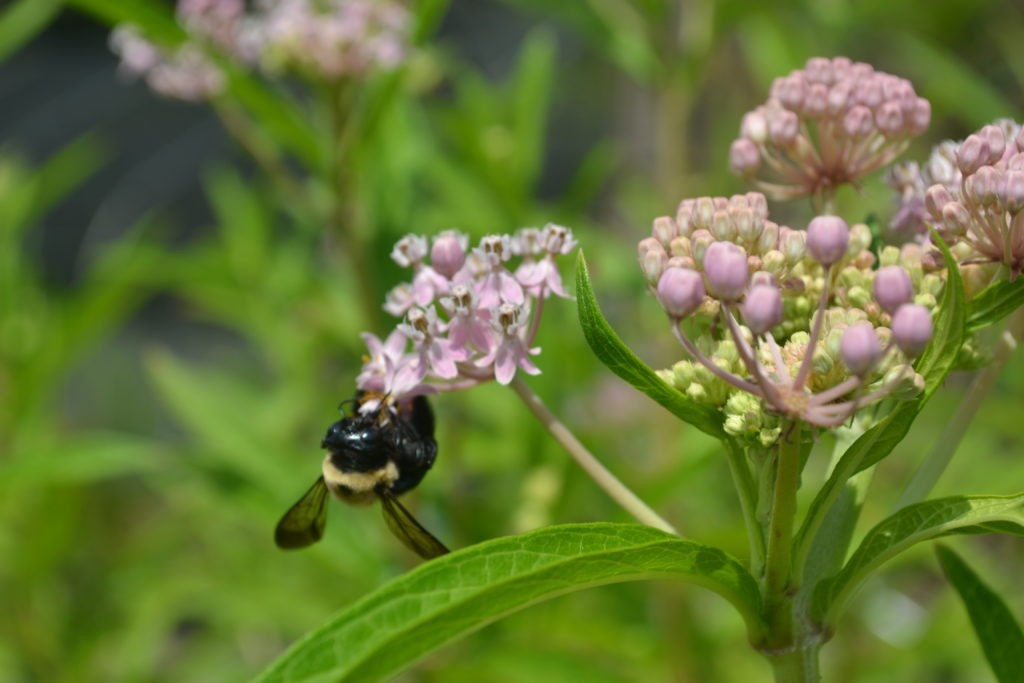 One famous example is the milkweed species of plant. Monarch Butterflies, those bright orange and black butterflies, will only lay their eggs on milkweed, making it essential to their survival. However, if the milkweed is not present when the Monarchs make their annual migration to Mexico, they cannot breed. Likewise, the Tiger Swallowtail, Georgia’s state butterfly, looks for tulip poplar trees, on which to lay their eggs.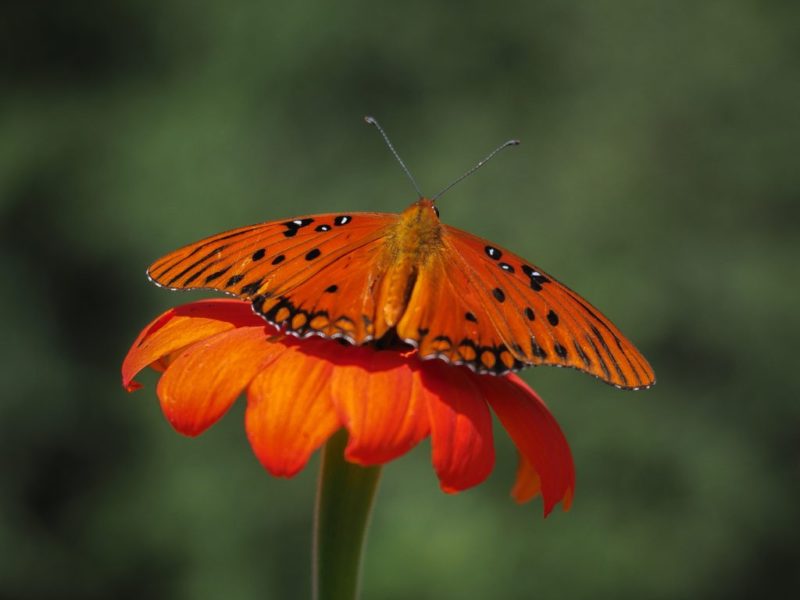
 You may think that roses are red and violets are blue, but that’s because your eyes are human eyes. If you were a pollinator, you would see there’s a secret message in the colors of flowers. To understand why flowers contain secret messages, we need to understand pollination.
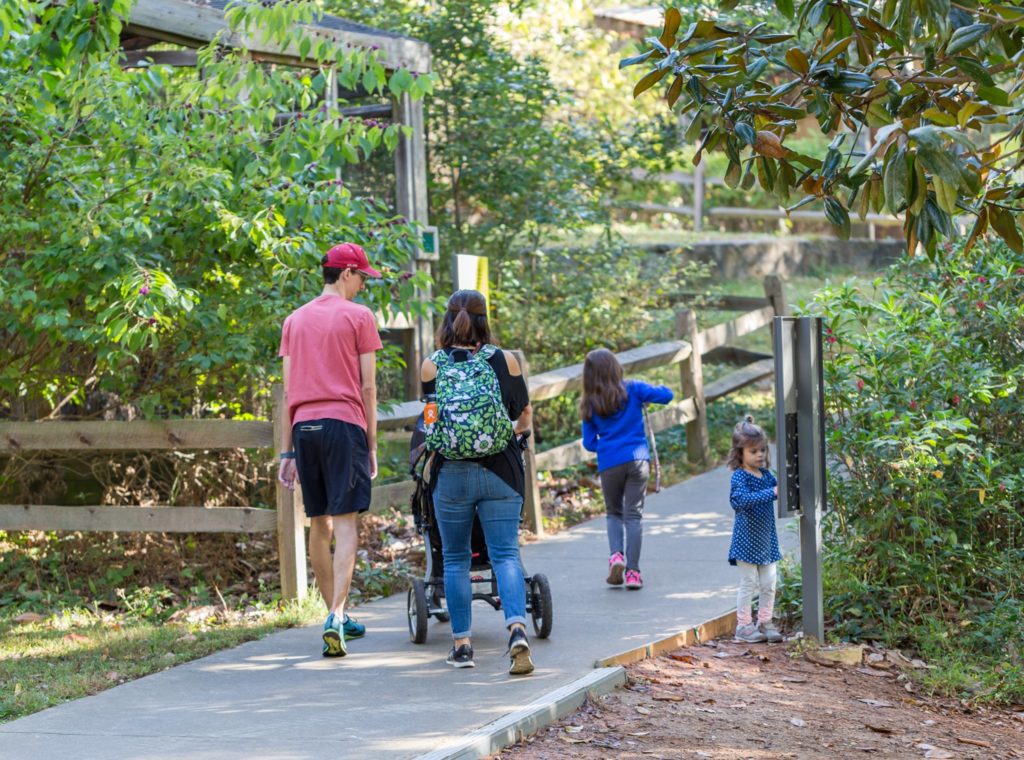 As CNC begins the process of reopening to the public, we are happy to have visitors back on the property. There were too many quiet days, and we have enjoyed hearing kids laughing and enjoying the grounds the past week. The ticketing and reservation system, plus operational changes, will allow us to provide an outdoor, natural area for our guests to enjoy and also feel like we are taking their health and safety into consideration.
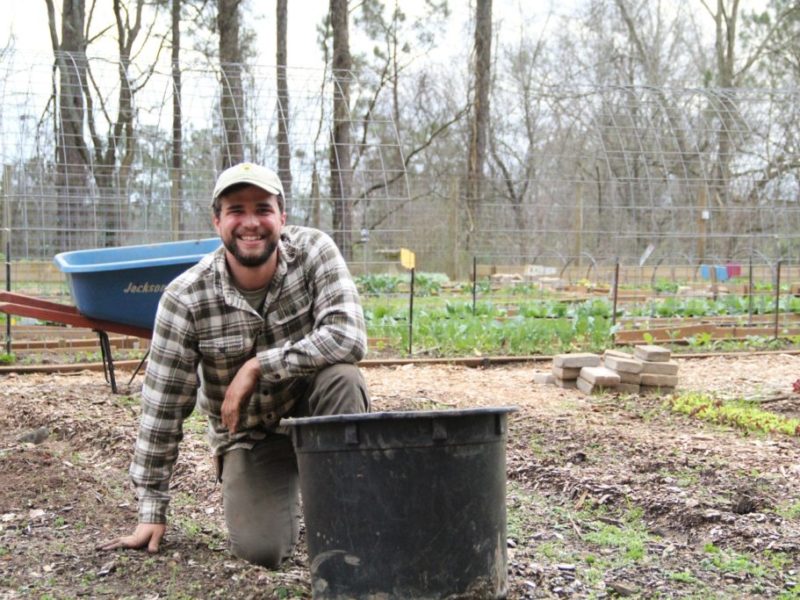
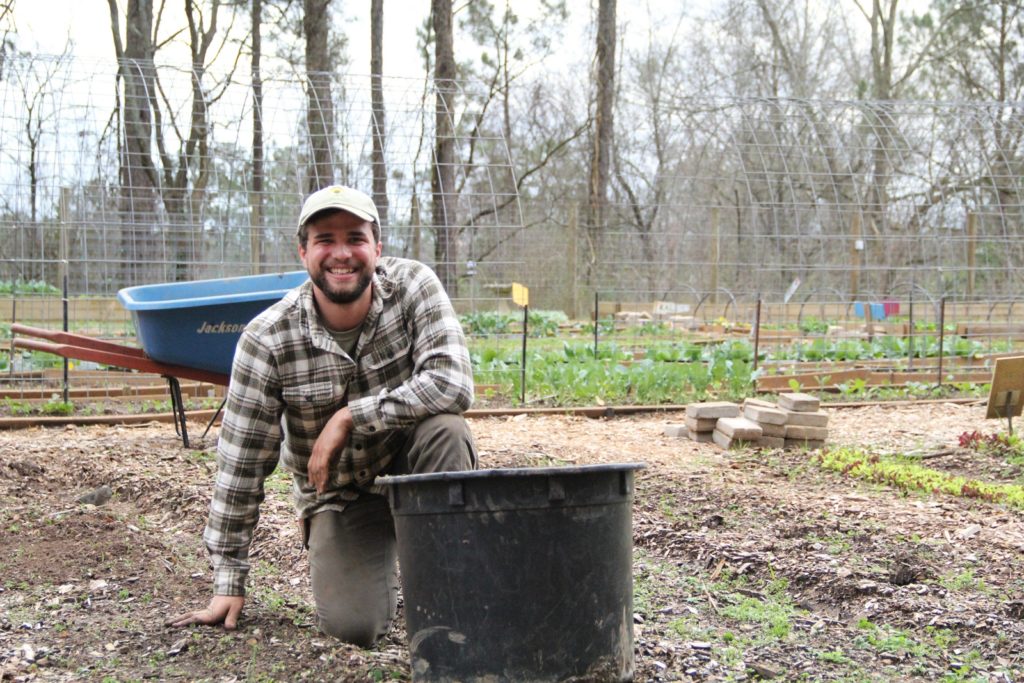 The Unity Garden has a group of dedicated volunteers that show up each week to help plant, weed, and harvest the 1/4 acre garden. In 2019 the horticulture department, which includes the Unity Garden, had 504 volunteers that provided 4,300 hours. The support of volunteers has been missed greatly. The largest obstacle over the last few months in the Unity Garden has been harvesting. It takes a considerable amount of time for Unity Garden Horticulturist, Christopher Horacek, to harvest alone each week, even with other horticulture staff helping him out.
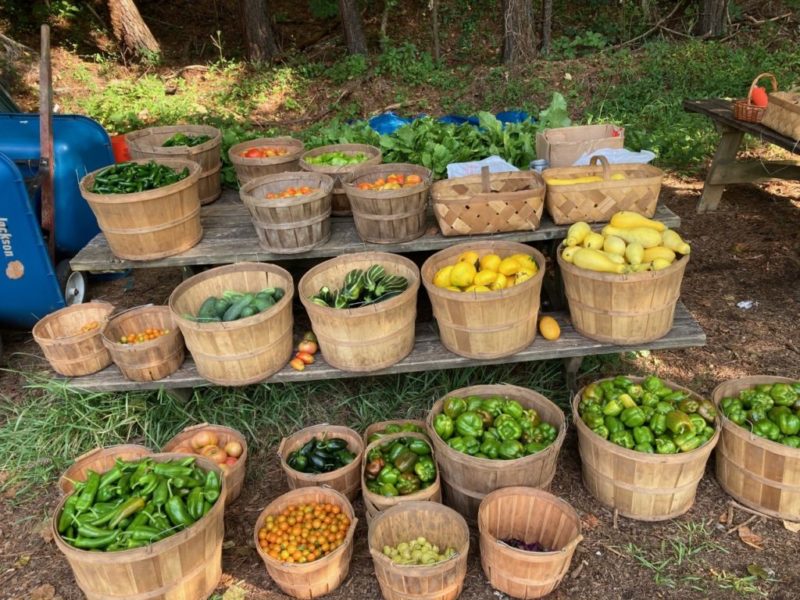
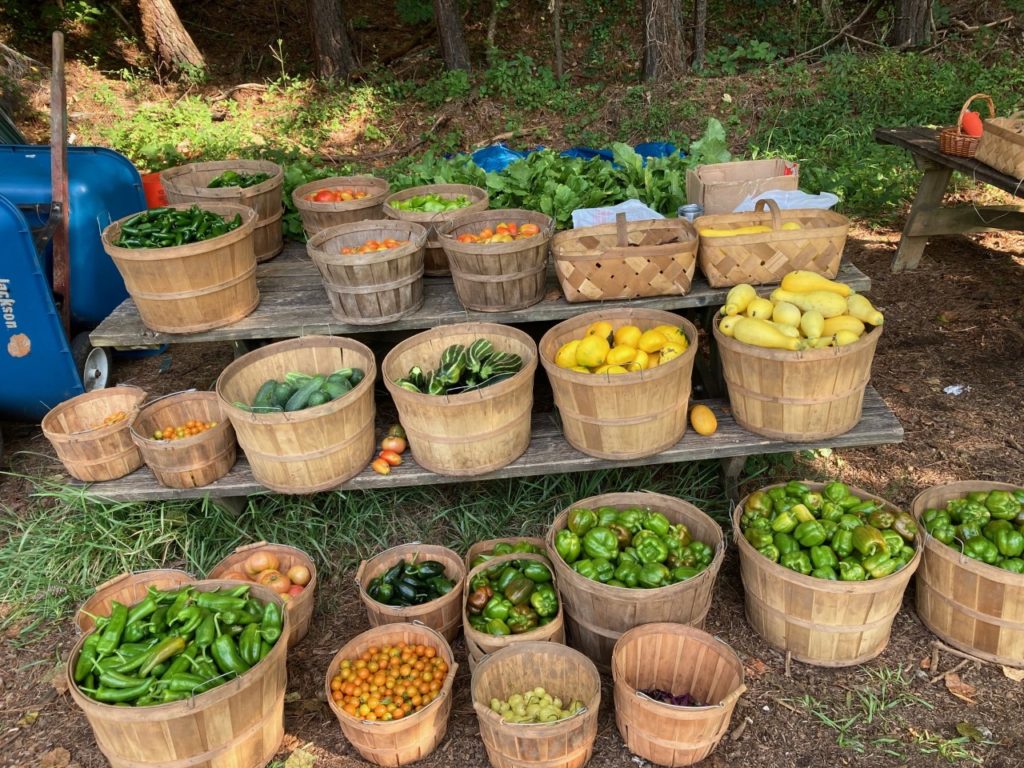
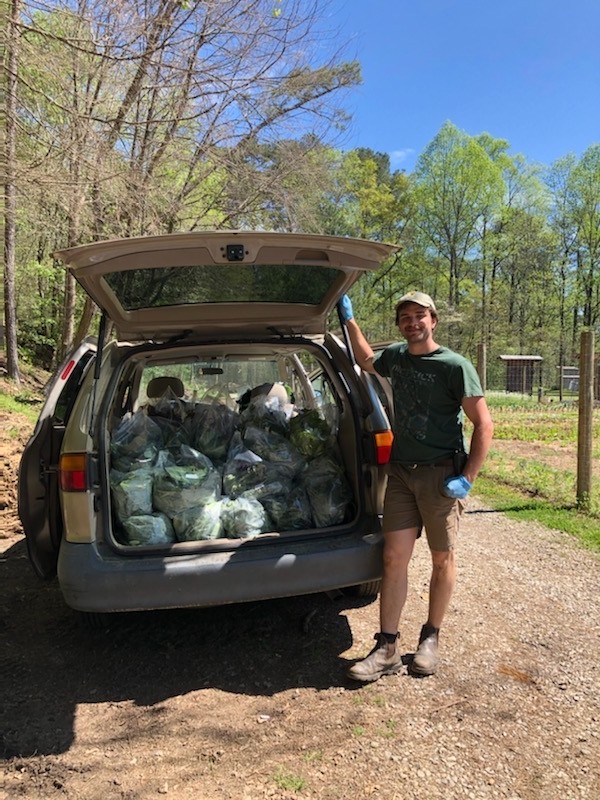 We have donated just over 1.5 tons of produce to North Fulton Community Charities to support their food bank for 2020. Last year we donated just over 4 tons. As you can imagine summer will produce larger harvests and donations, which is why it is so important right now to continue preparing the Unity Garden for summer crops even without the help of volunteers.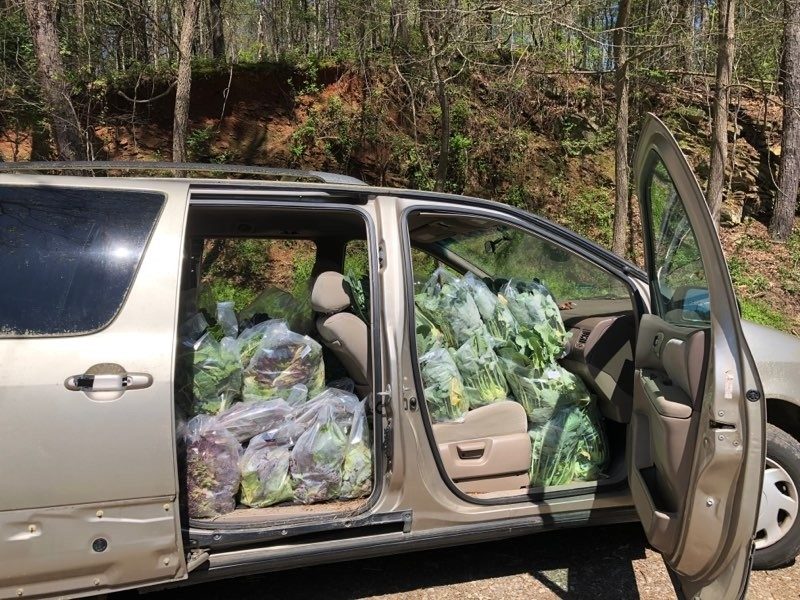
 ATLANTA, Ga. – Nature keeps on growing, and

 g
g Connect with friends