
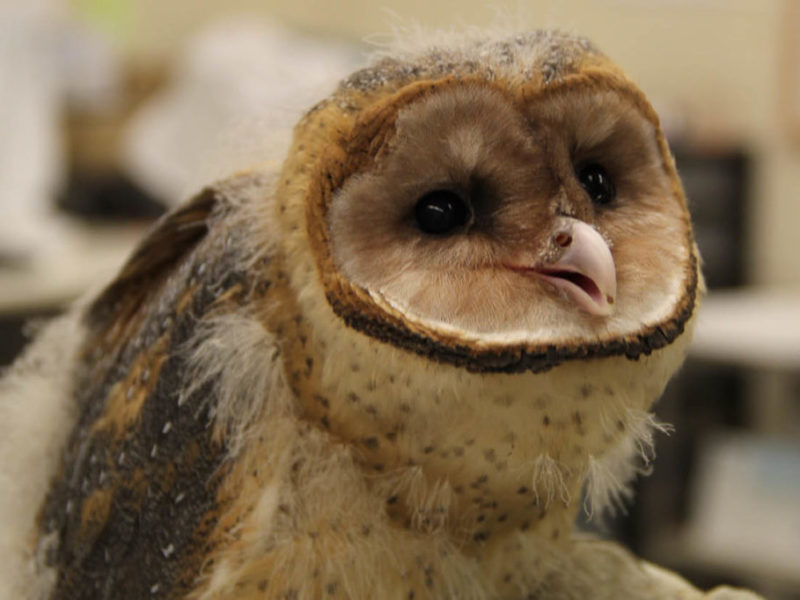
You’re invited to a virtual wildlife baby shower
Support the Wildlife Department through spring baby season
As CNC undergoes facility improvements and upgrades this winter, the Wildlife Department’s annual fundraiser and supply drive will be held virtually throughout February 2026.
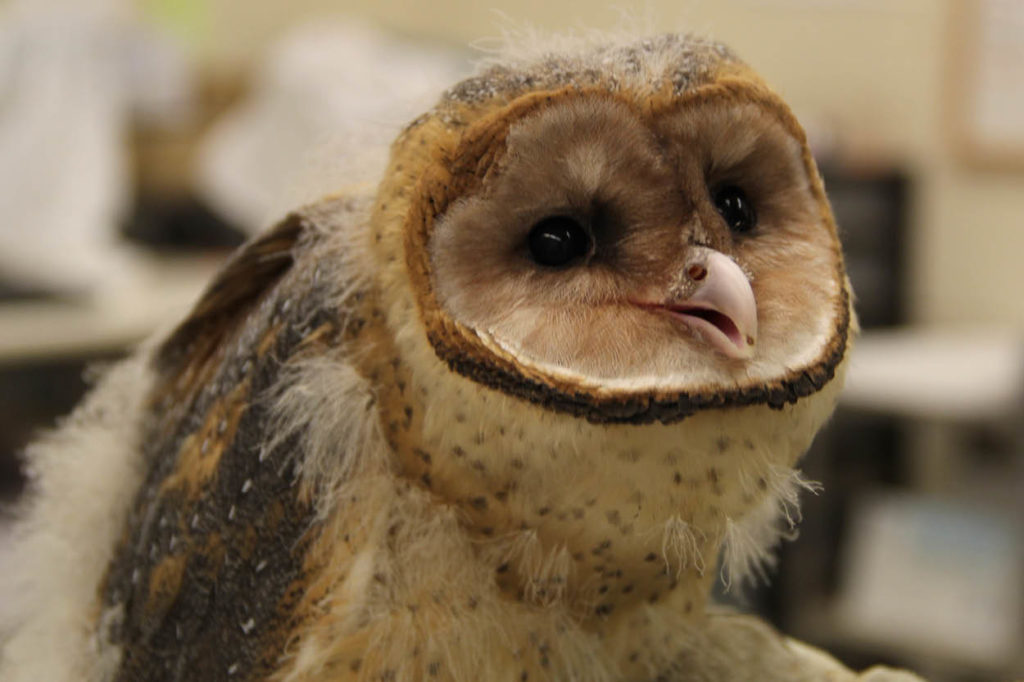
Spring is the busiest—and most important—time of year for wildlife babies. While young animals may be adorable in their first weeks of life, caring for them requires significant time, expertise, and resources, as CNC’s wildlife rehabilitators know all too well.
Join us in celebrating a wildlife baby shower and learn more about CNC’s work with injured and orphaned raptors, reptiles, and amphibians. Throughout February, the Wildlife Clinic will share educational posts, photos, and videos on the Wildlife Rehabilitation Facebook page (@CNCWildlifeRehab), offering a behind-the-scenes look at wildlife rehabilitation and the vital role community support plays. Please feel free to email the Wildlife Clinic, if there are any specific situations or questions you would like us to address!
The Wildlife Department relies heavily on donations to continue its work. Licensed Wildlife Rehabilitators are not permitted to charge for their services or receive tax funding. Without community support, CNC would not be able to care for the many baby animals that arrive each spring.
As spring brings new growth, warmer temperatures, and increased wildlife activity, CNC receives a surge of calls and emails about baby animals—over 300 inquiries per month during peak season. Although CNC is licensed to care specifically for raptors, reptiles, and amphibians, staff provide guidance for wildlife of all species. In 2025 alone, CNC treated more than 800 animals, over 200 of which were under one year old. Juvenile animals typically cost nearly three times more to rehabilitate than adults, largely due to increased nutritional needs.
So why is spring such a critical time for wildlife babies?
Wildlife Director Kathryn Dudeck explains:
“With warmer weather approaching, plants begin to sprout and bud, providing abundant food for smaller animals like rabbits, chipmunks, and songbirds. This signals ideal conditions for raising young. As prey species give birth, predators—such as raptors—time their breeding seasons accordingly.”
For example, Eastern cottontail rabbits breed from February through September, while Great Horned Owls—one of their primary predators—often lay eggs as early as January to ensure enough prey is available to feed their chicks.
Caring for young wildlife can be complex and varies by species. Many reptiles native to north Georgia are fully independent from the moment they hatch and do not require parental care. Well-meaning people sometimes bring hatchling turtles to CNC, assuming they are orphaned—but in most cases, they are perfectly fine and should be left alone.
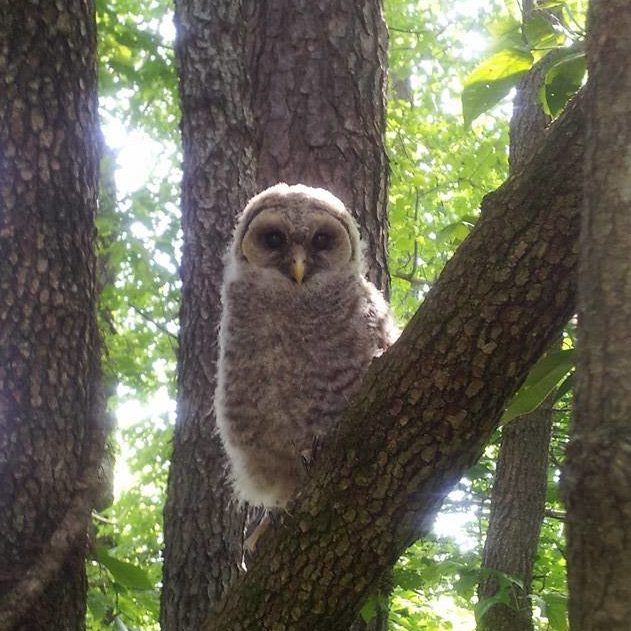
Raptors, however, present different challenges. Young birds of prey often arrive at CNC due to nest loss from storms or human disturbance, or simply because they are inexperienced flyers.
“Yes, even raptors go through an awkward phase,” Dudeck said.
“At around six to eight weeks old, they begin leaving the nest to perch nearby and strengthen their flight muscles. Sometimes they miss a landing and end up on the ground, uninjured but vulnerable.”
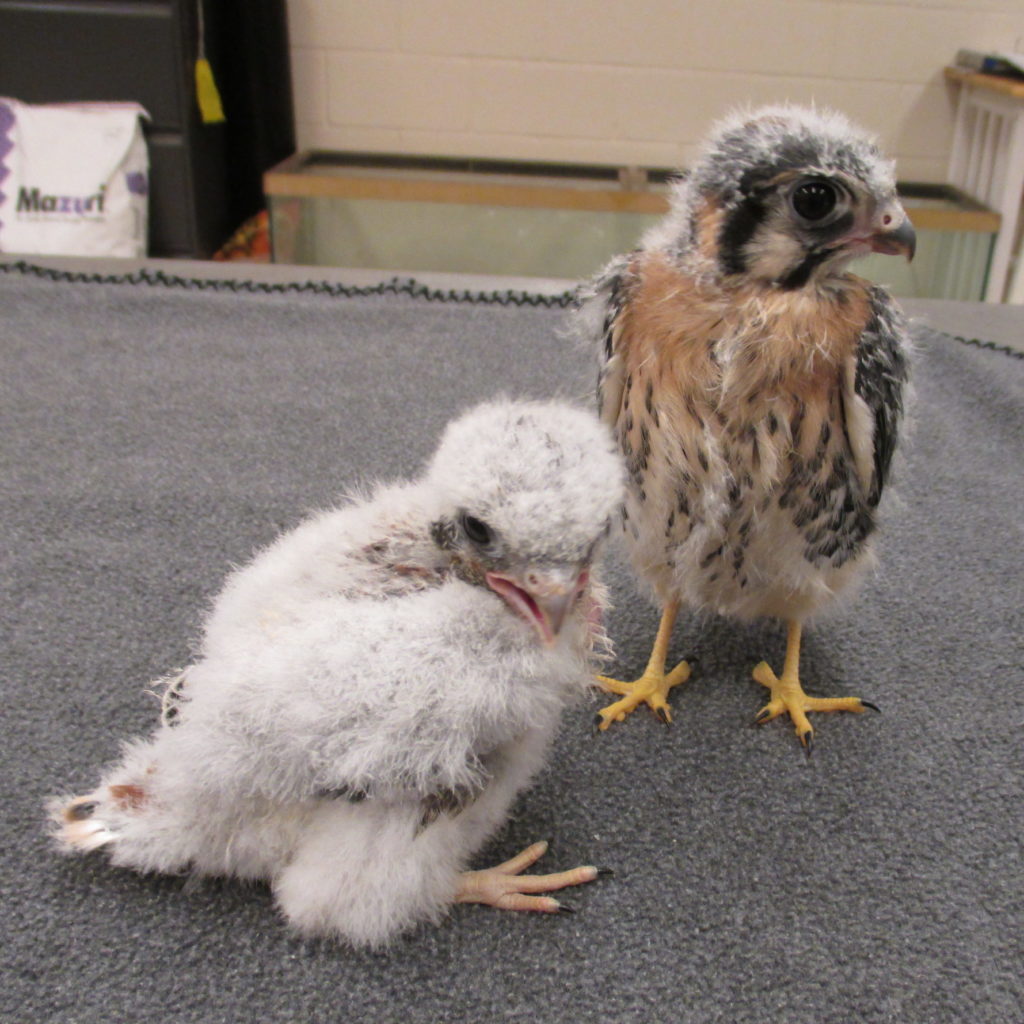
Young raptors often require intensive care, including frequent feedings and specially prepared diets. To prevent imprinting on humans, CNC staff wear camouflage ghillie suits, use recorded food-begging calls, and, in the case of vultures, place feathers from resident birds nearby to provide familiar scents.
Whenever possible, CNC works to reunite uninjured young animals with their parents. If reunification isn’t an option, non-releasable resident birds may serve as temporary foster parents.
- If you encounter a baby animal this spring, please remember:
Observe from a distance—parents may be nearby foraging. - If parents are not observed, contact a licensed wildlife rehabilitator. Do not attempt to feed or handle the animal, as improper care can be harmful.
- Contact Animal Help Now (ahnow.org) to find a local rehabilitator and receive guidance.
How can you help?
Support CNC’s Wildlife Baby Shower by donating items from our wish list. The Amazon Wish list and other wish list items are listed below. Donations can be dropped off at the Discovery Center anytime between February 1 and February 28.
Make a donation to the Wildlife Department.
Learn more about the CNC Wildlife Department and the rehabilitation support they provide to raptors, reptiles, and amphibians.
Other Wish List items:
Reptibark substrate
Heavy-duty 25′ hoses
Pine/softwood shavings
24” and 36” cable/zip ties
Amazon gift cards
PetSmart and Petco gift cards
Kroger and Publix gift cards
Home Depot gift cards
Gift certificates to our food vendors:
RodentPro: Frozen Feeder Rodents – Frozen Mice & Feeder Rats for Premium-Quality Reptile and Bird of Prey Food | RodentPro
Mazuri:  Mazuri® Exotic Animal Products – You Do ‘Zu
American Rodent Supply www.americanrodent.com
Armstrong’s Cricket Farm: Buy Live Crickets and Worms
Fluker Farms: Cricket Quencher Calcium Fortified and High Calcium Cricket Diet
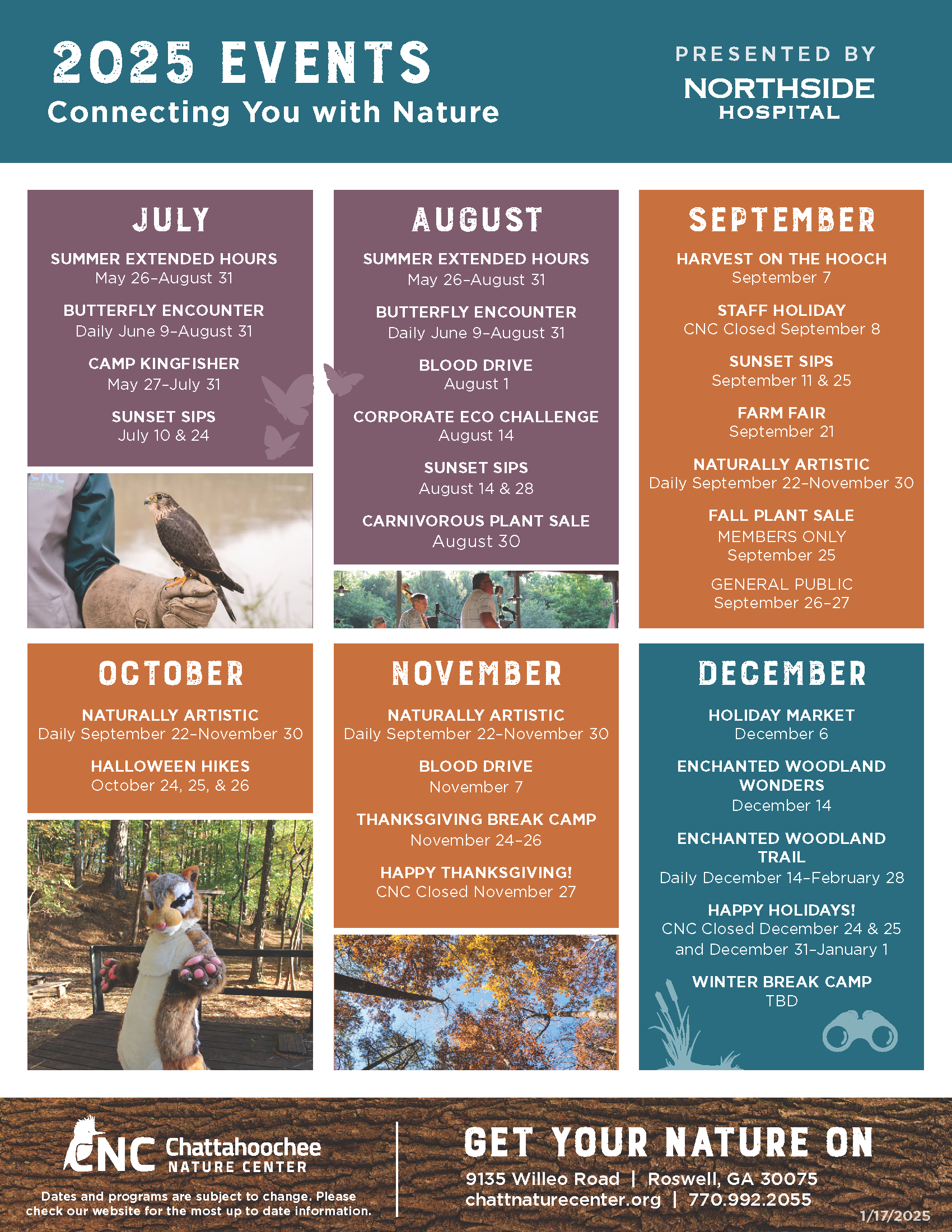
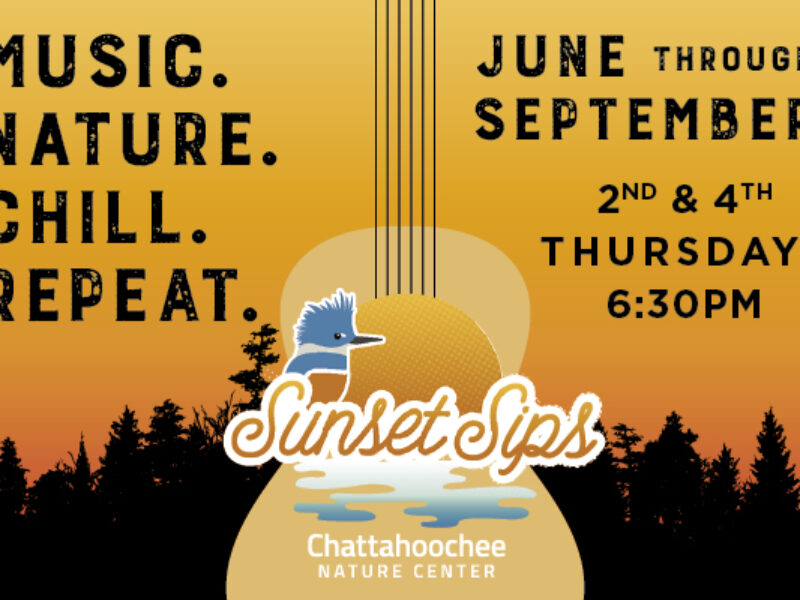
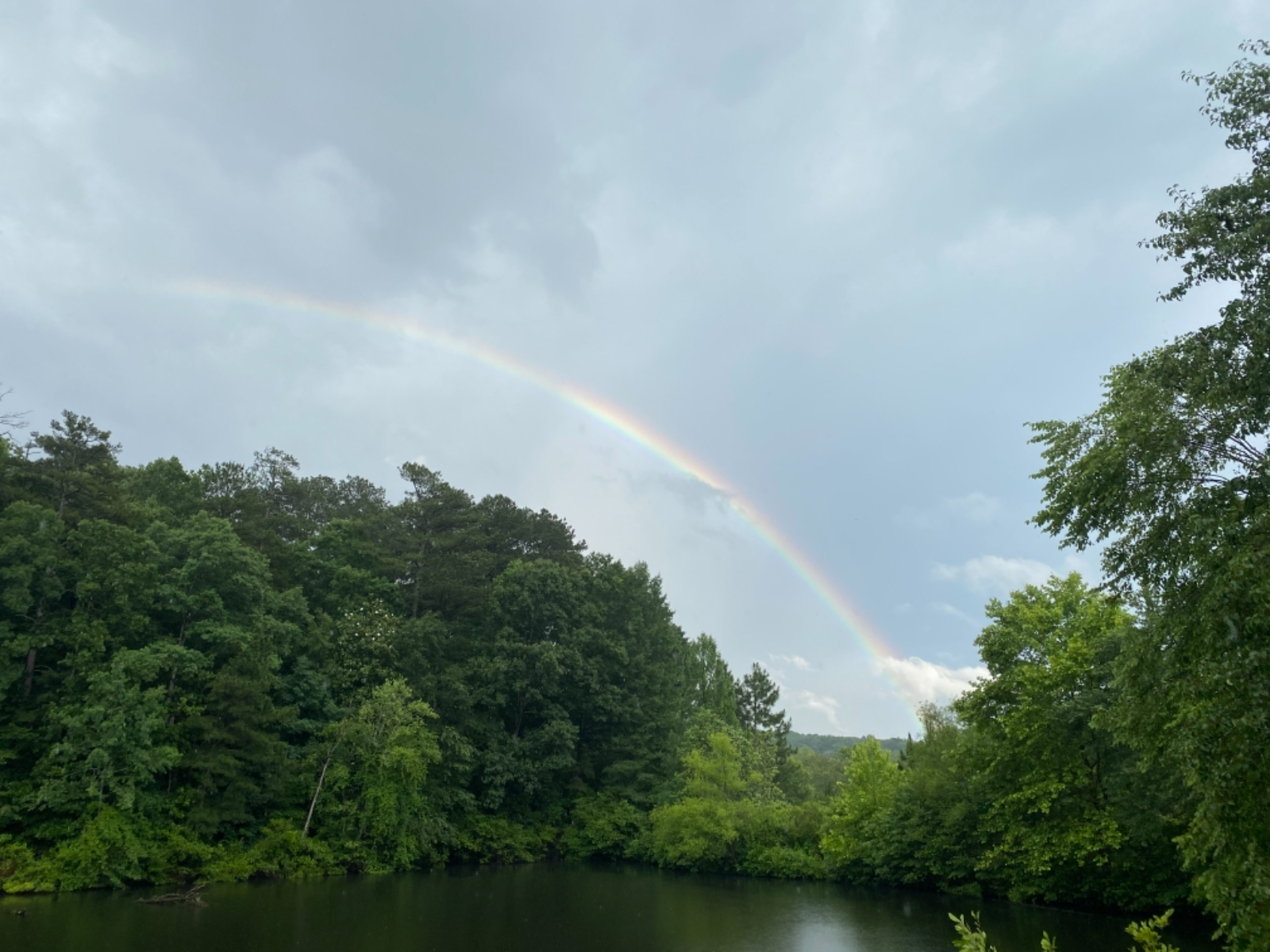 With special thanks to Northside Hospital, take a deep, mindful breath at Sunset Sips after a busy day as you relax, unwind, and enjoy a stroll along the boardwalk with a pink and orange painted sky as your backdrop. Even if it should rain, a gorgeous rainbow may grace the skies.
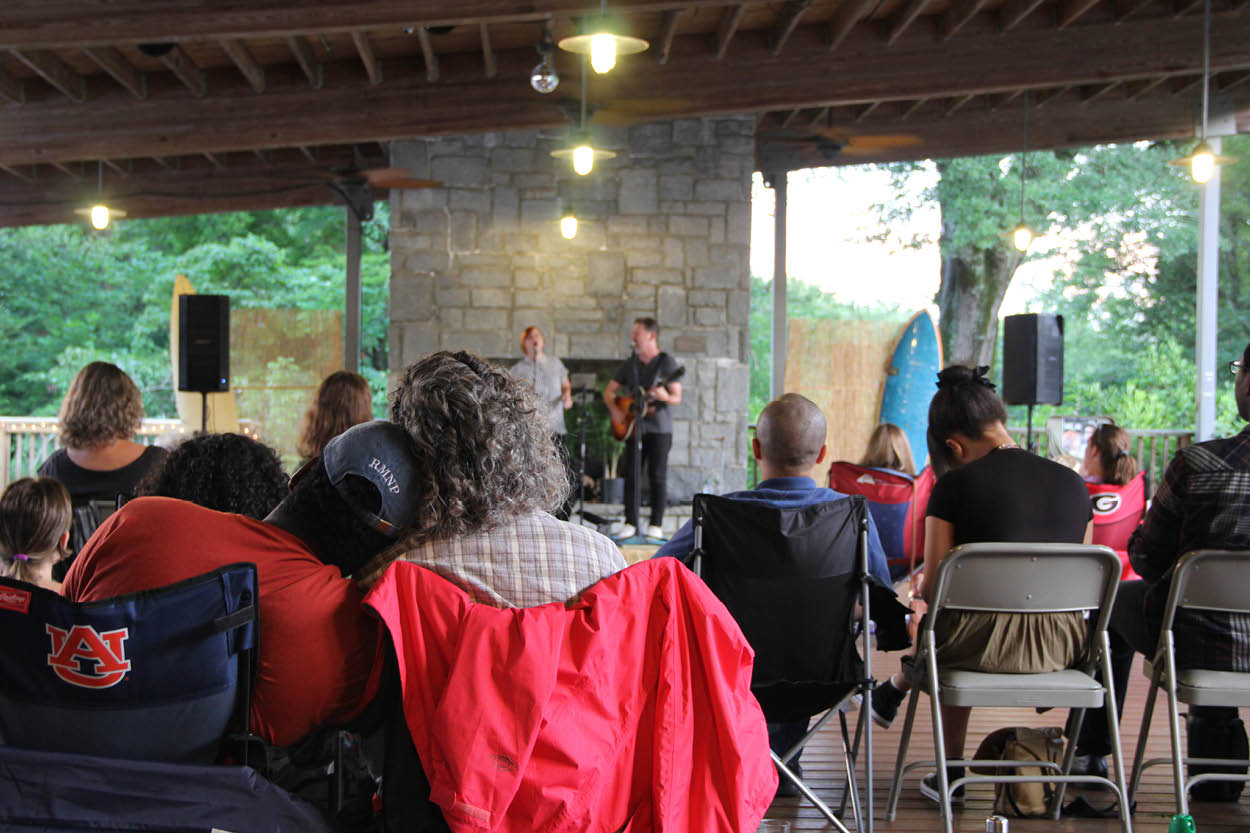 Stop, look, and listen to the chirping of cicadas and the hooting of owls. Watch as the great blue heron glides over the river, or simply relax on the cool grass while one of many fantastic musicians plays under the pavilion. There’s something for everyone, from chill grooves to jazz to rock.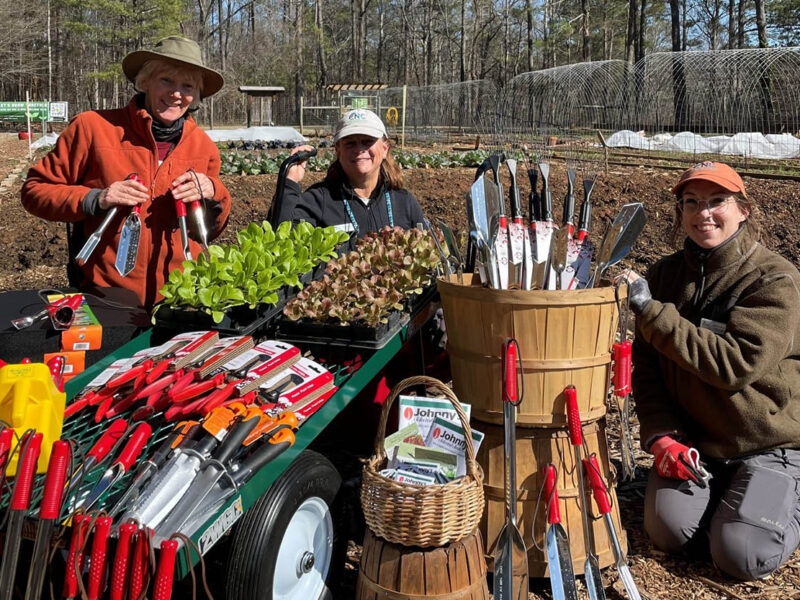
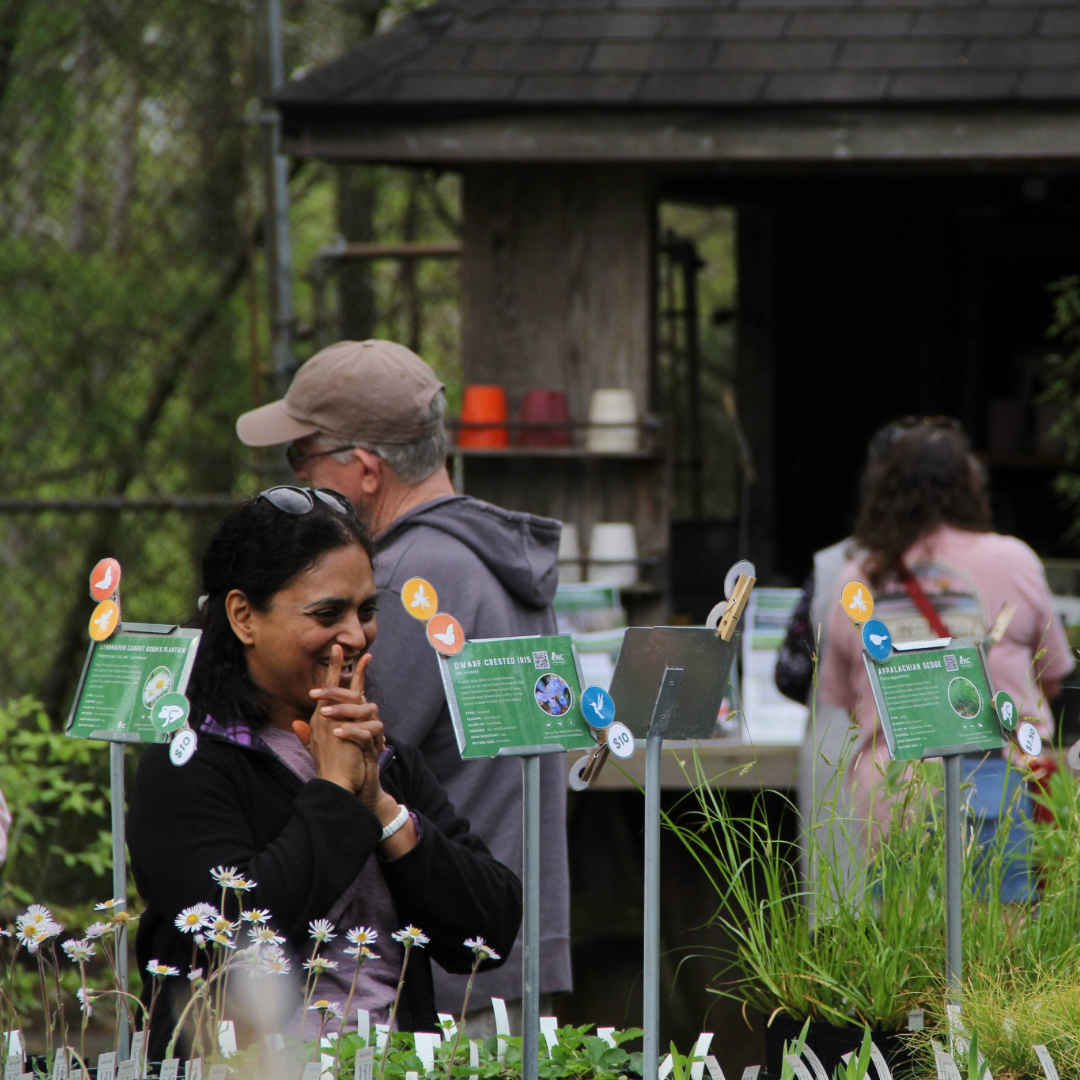
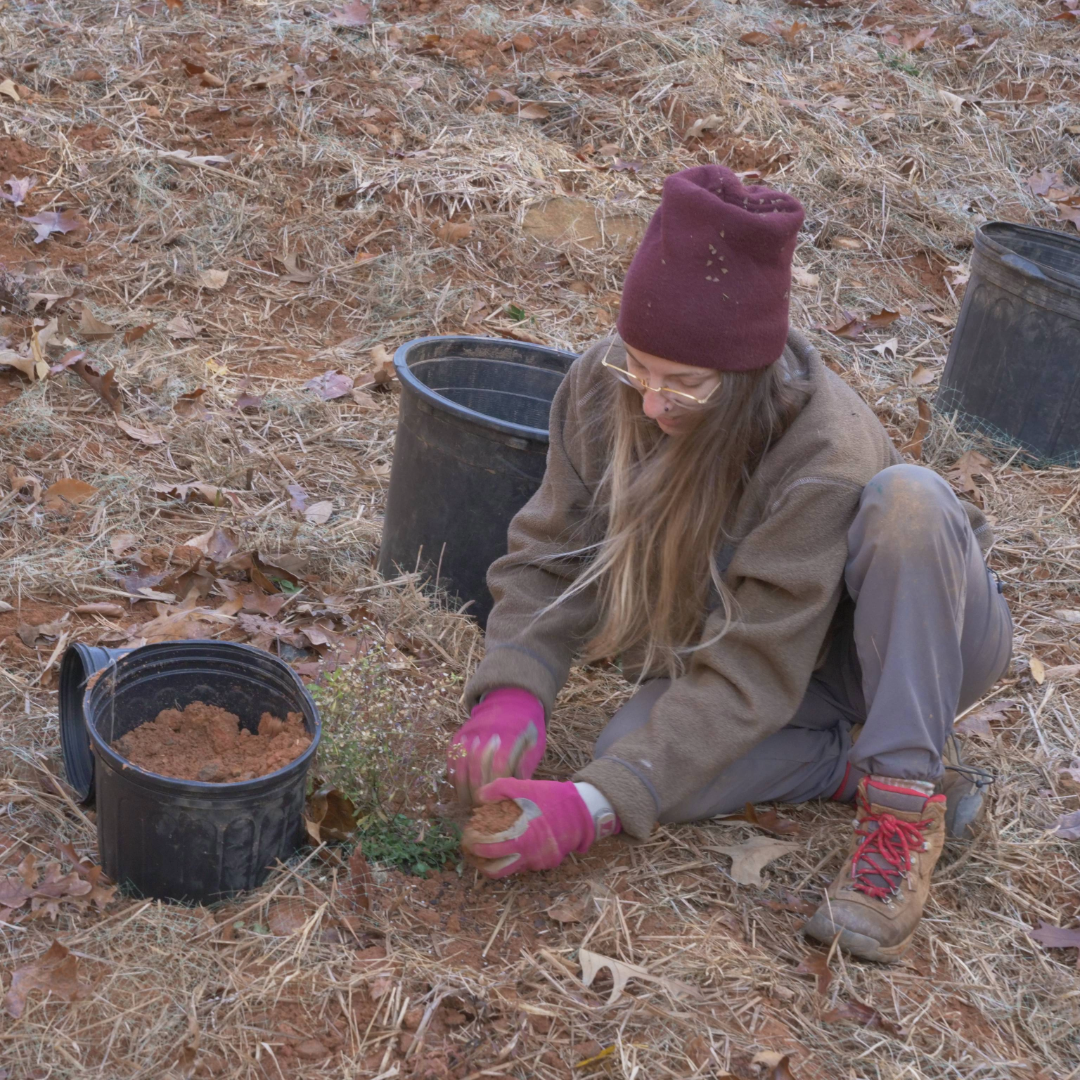
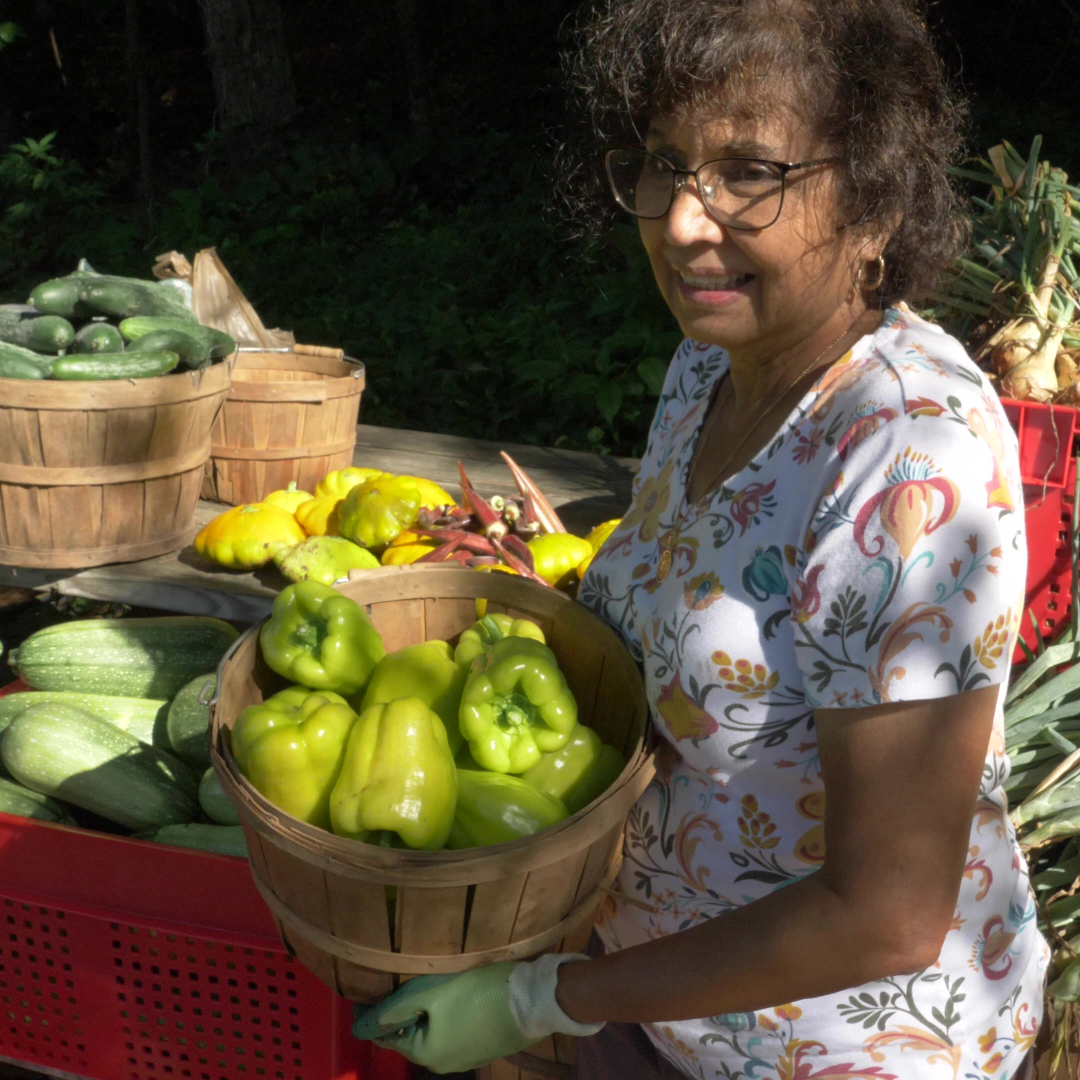
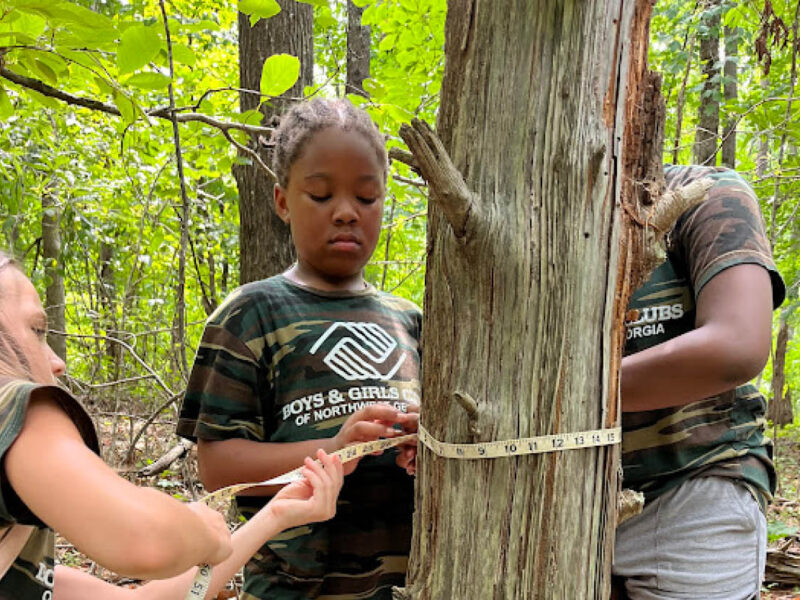
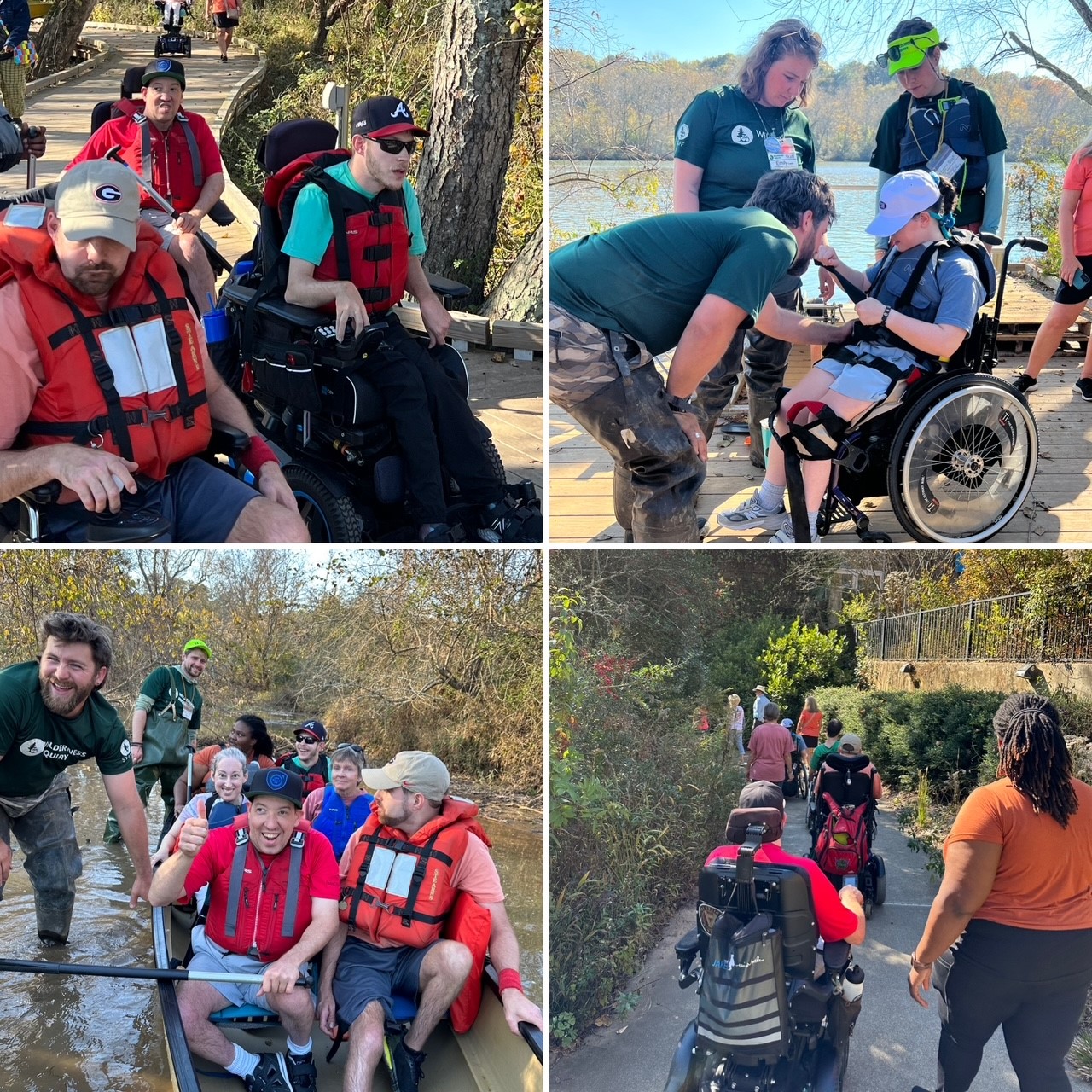 In 2024, CNC’s environmental education programs will reach over 40,000 participants. This month, we will visit many schools and organizations, and many students will come out to CNC for field trips.
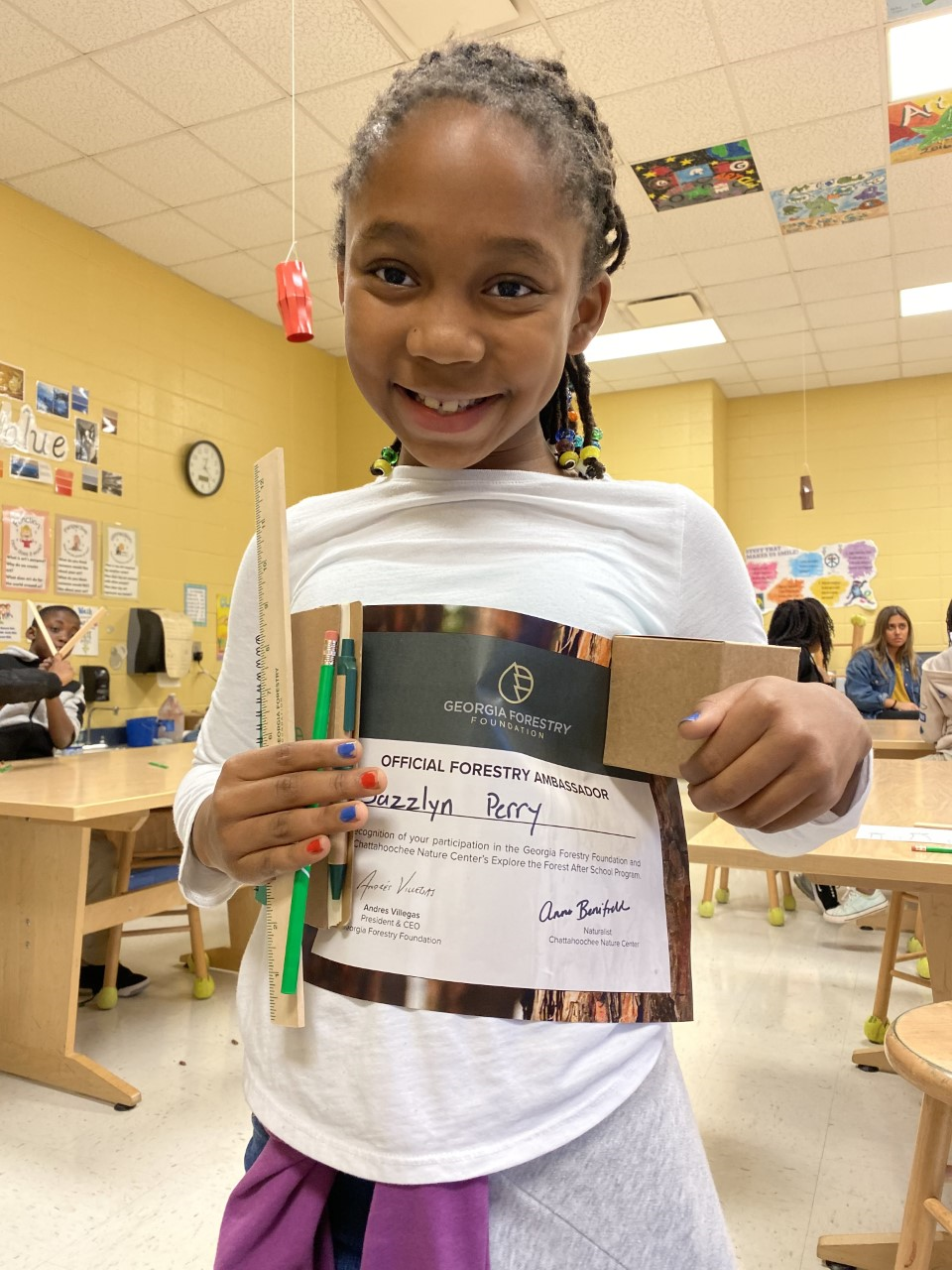 We are also proud to partner with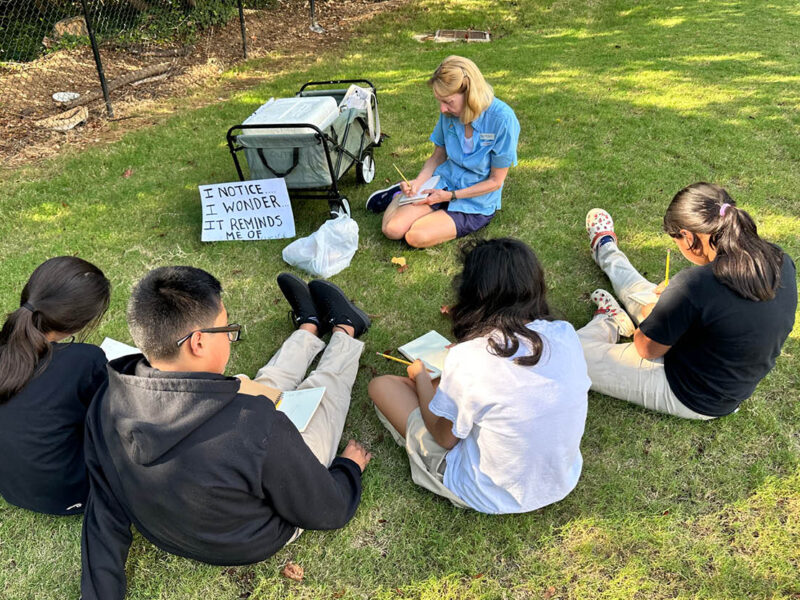
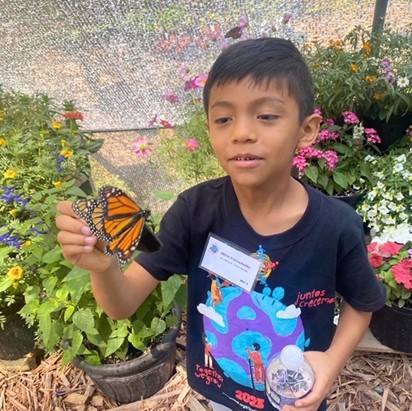 Since 2020, CNC has proudly partnered with LNP, an organization dedicated to empowering Latino students and their families through holistic academic, leadership, and community programs. Previously focused on more singular experiences – this year’s CSP funding allowed the partnership to broaden its scope, offering year-round, repeat nature experiences for all grade levels, families, teen volunteers, and teachers. We believe that students who participate in repeated outdoor experiences at CNC and in their neighborhoods increase their comfort with being outdoors and allow them to develop a sense of place, leading to lasting benefits in their everyday lives.
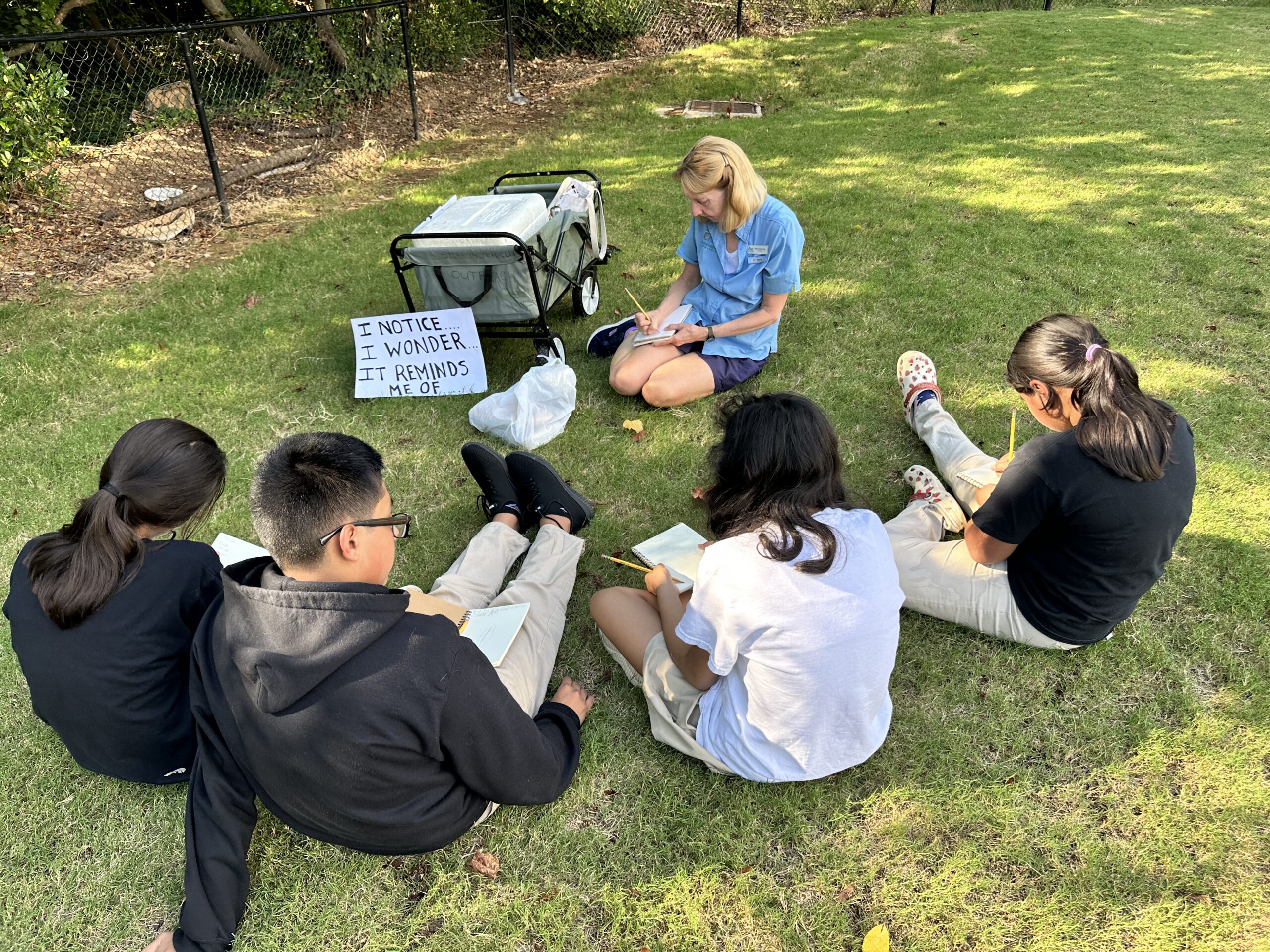
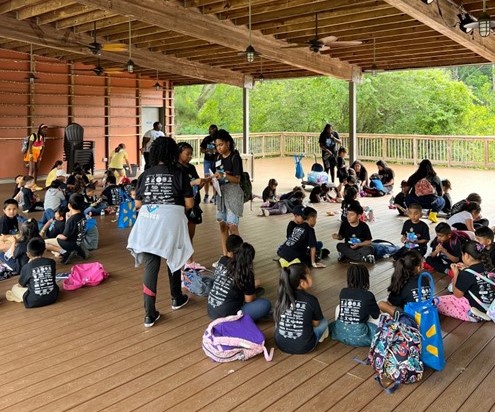 The Connecting Los Ninos with Nature program kicked off with a training session for LNP teachers at CNC’s campus, introducing them to outdoor spaces for field trips and brainstorming ideas on how to incorporate the outdoors into their lessons. From here, over 600 LNP students, teen volunteers, and staff visited CNC this summer for a naturalist-led program, where students met live animals and learned about connecting with the nature around us. These field trips were complemented by outreach programs delivered at LNP locations in the community, where CNC Naturalists shared engaging nature activities and animal encounters with students. In September, the Young Naturalist After-School Club began, providing middle school students weekly programs. Through engaging activities, such as nature journaling, animal encounters, and exploring surrounding natural habitats, students honed their skills to deepen their connection to nature and become environmental stewards. CNC was also proud to host LNP’s Youth Volunteer Leadership meeting in the fall. Along with providing an event space for their meeting, the Youth Leadership team enjoyed a team bonding experience canoeing on one of CNC’s ponds.
 The Connecting Los Ninos with Nature program also engaged LNP families. This summer, CNC hosted LNP for the annual Mayors Summer Reading Club (MSRC) event. The MSRC is a program for children ages birth to five and their families that takes place in various locations throughout Atlanta each summer. In summer, organizations like CNC hold “book club reads” to model research-based methods of reading books with children and host enrichment events based upon the stories. The books come to life as children enjoy activities, drama, and other hands-on activities designed to make the language in the stories meaningful to children. Families were also treated to a bilingual live animal encounter presented by one of CNC’s incredible docents. In the fall, CNC continued to engage families and hosted LNP Family Days. These monthly invitations provided free admission to LNP families to enjoy CNC’s 127 acres of forestland, wetland, and riverfront property together.
 Your Place on the River provides exclusive behind-the-scenes access to the Wildlife Department, where experts share insights into the behavior and care of the resident animals. Wander through the lush landscapes of the Horticulture Department and discover the secrets behind the vibrant flora that paints the center’s picturesque scenery. Journey through the educational initiatives with the Education Department, gaining a deeper understanding of impactful programs designed to connect people with nature. Oh, the places you’ll go!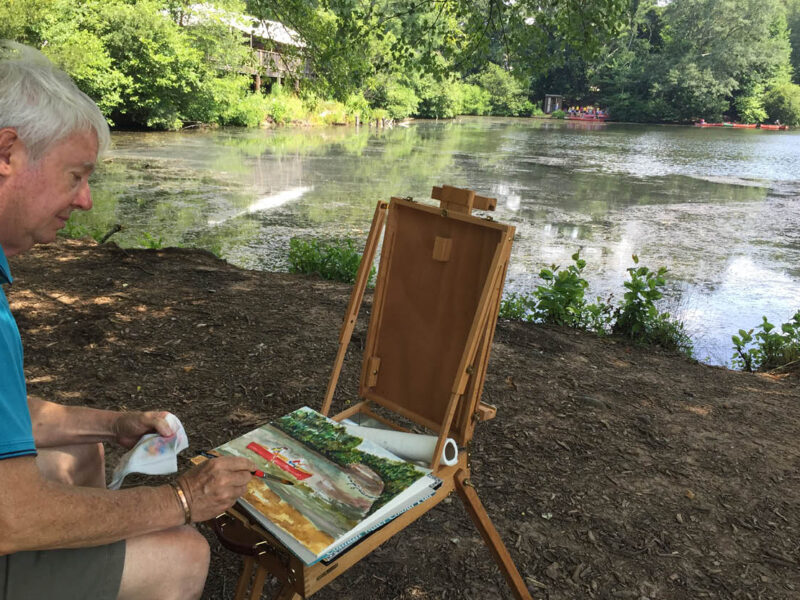
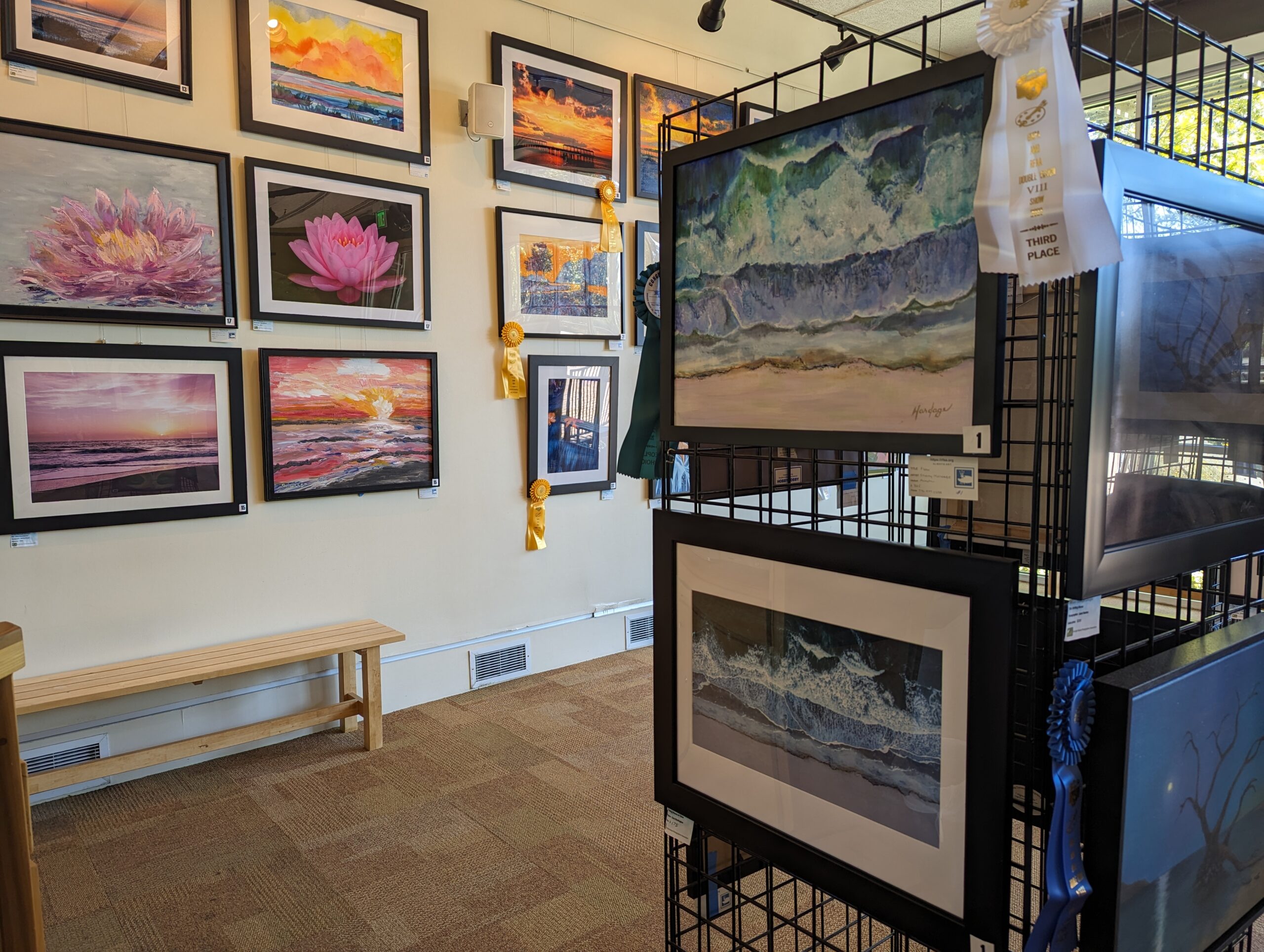 In recent years, CNC’s fall quarter gallery hanging has been Double Vision. Double Vision is a special exhibit that shows the connection between nature and art by viewing one subject as envisioned by the photographer and the artist. Double Vision begins with a theme, and then the GNPA photographers take photos of anything related to that theme. For example, the theme could be Georgia’s natural water bodies. Once the GNPA selects 24 photographs for the show, they give them to the RFAA artists who create any kind of artwork they’d like with the freedom to reinterpret the photography however they choose. The exhibit’s focus is to illustrate the multiple ways of viewing and interpreting art, and CNC’s partnerships with GNPA and RFAA perfectly illustrate the different ways to connect with nature via art.
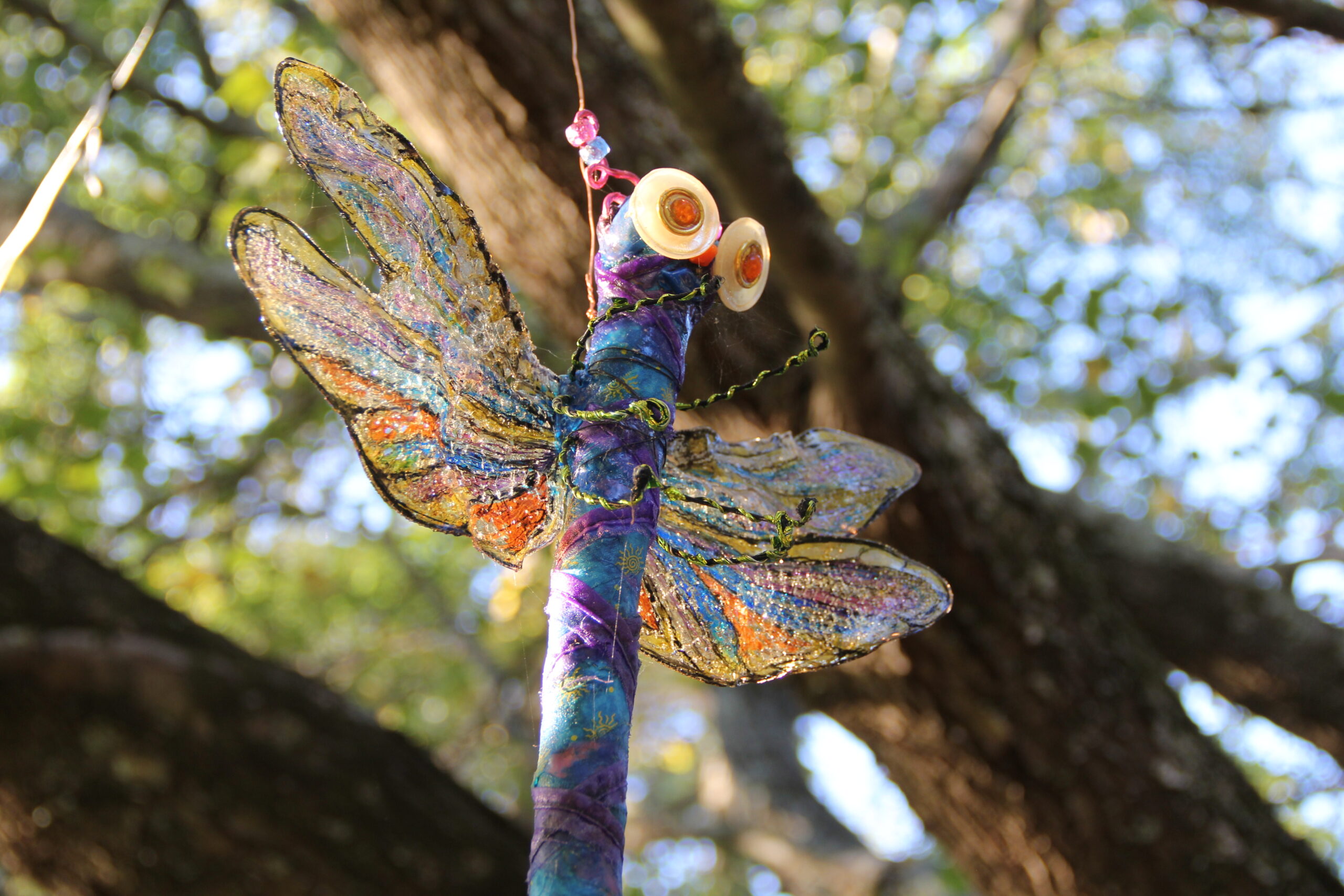 VamosChicos is another partnership that helps us connect people with nature through art. Katterina and Michael Nangle of VamosChicos are talented artists who contribute beautiful, eco-friendly art pieces to CNC’s seasonal exhibits such as Naturally Artistic and the Enchanted Woodland Trail. For two years, VamosChicos has created art entirely from recycled materials for display outside for CNC’s Naturally Artistic exhibit. VamosChicos strives to help CNC’s members and visitors see the connection between art and nature by reusing materials to create new and amazing works of art!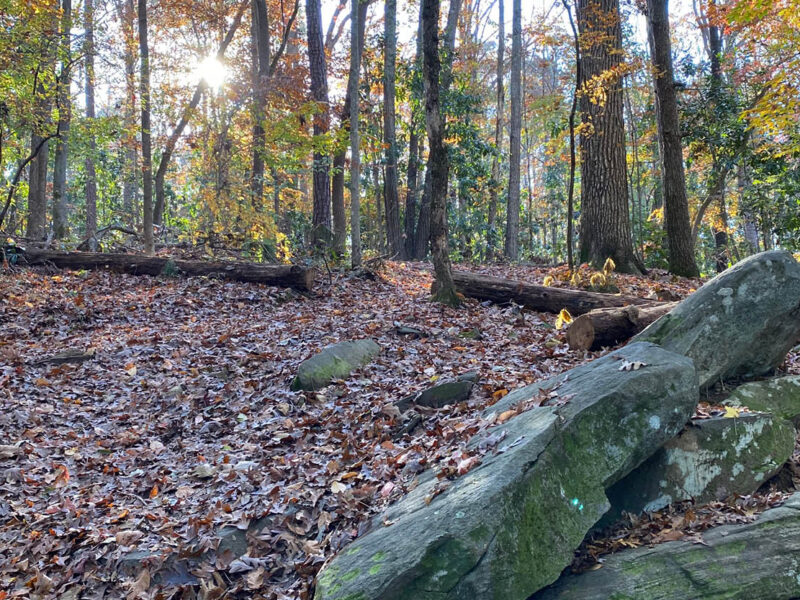
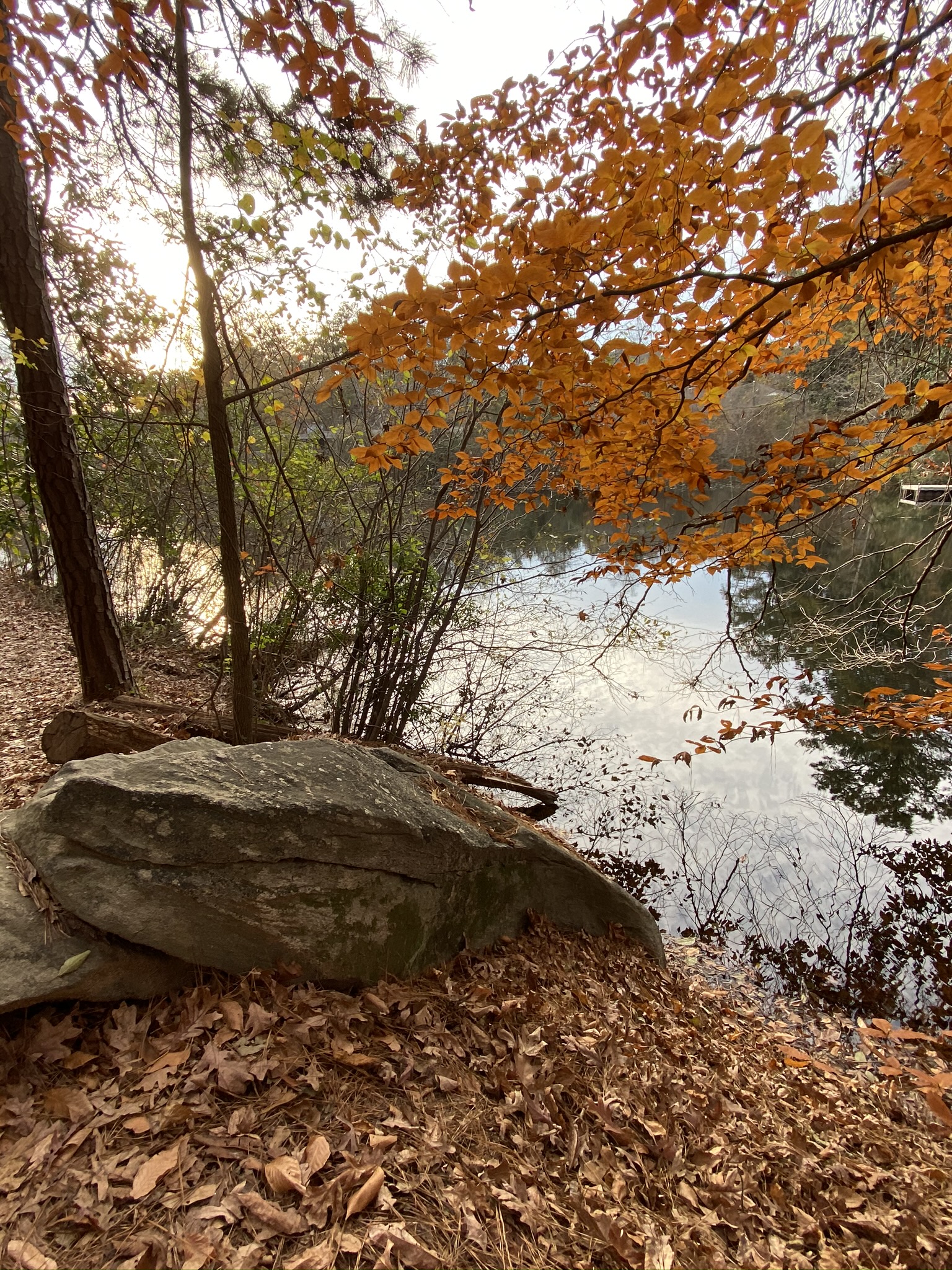 Unsurprisingly, I get many questions and a few comments when I share with people that I’m a Certified Nature and Forest Therapy Guide: “What’s that? You’re a therapist? Why do that outside? I don’t really need therapy, thanks.” When I share that Forest Therapy is also often referred to as Forest Bathing even more questions arise: “What’s that? A bath in the forest? Do I need a towel? How does that work?”
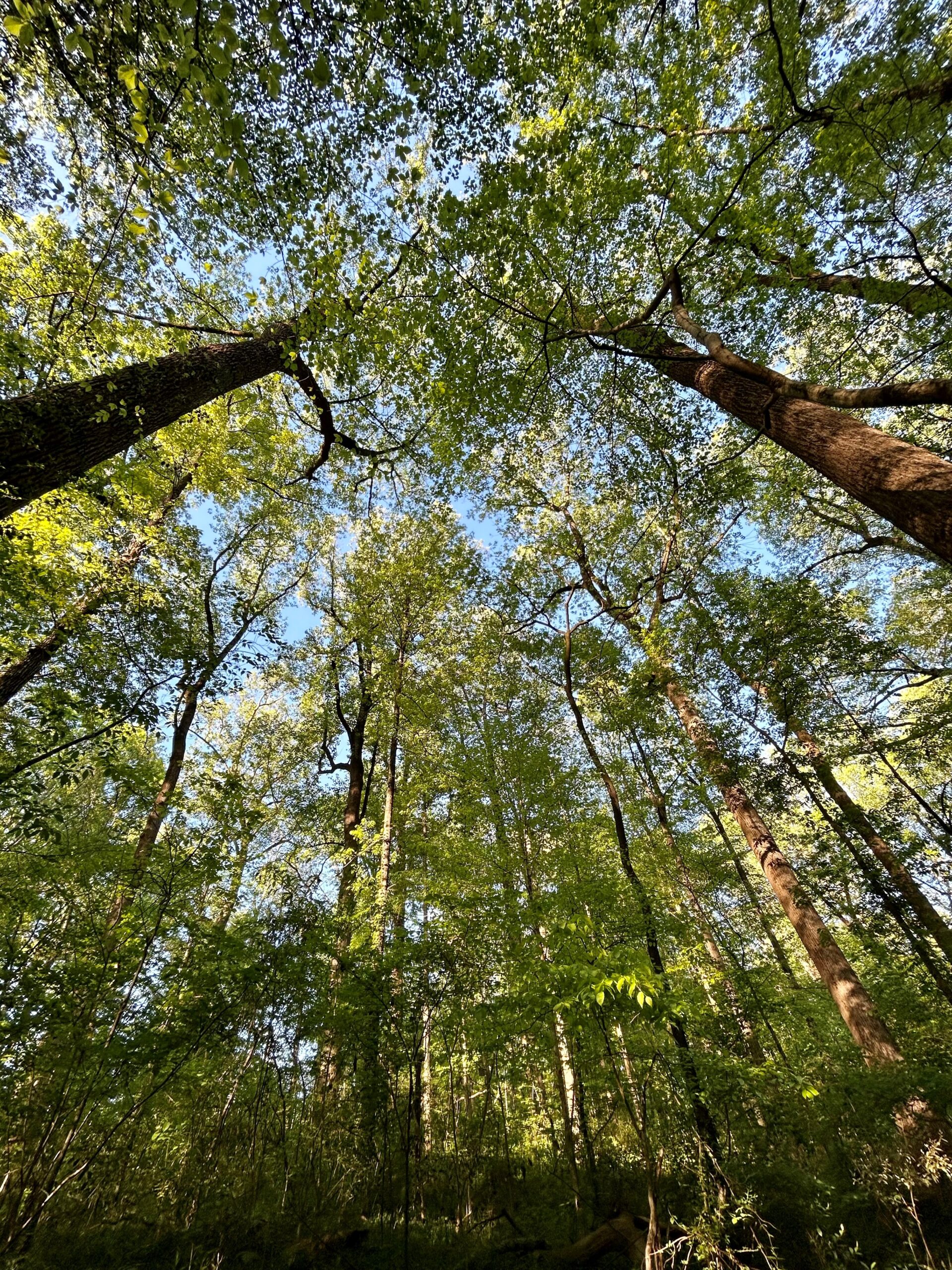 Though we can and often do have these experiences on our own, having a guide can assist the process by holding a safe container and relieving you, the participant, from the pressure of keeping track of time, decision making, or thinking about the next moment. A guide sets the pace, encouraging a downshift from our often hurried, fast-paced thinking and busy-ness. Just as one might turn to a personal trainer, yoga instructor, or walking group, many find being guided in Forest Therapy to be deeply supportive. And just like exercise or yoga, Forest Bathing is a practice that can be deepened by returning again and again, through different seasons.
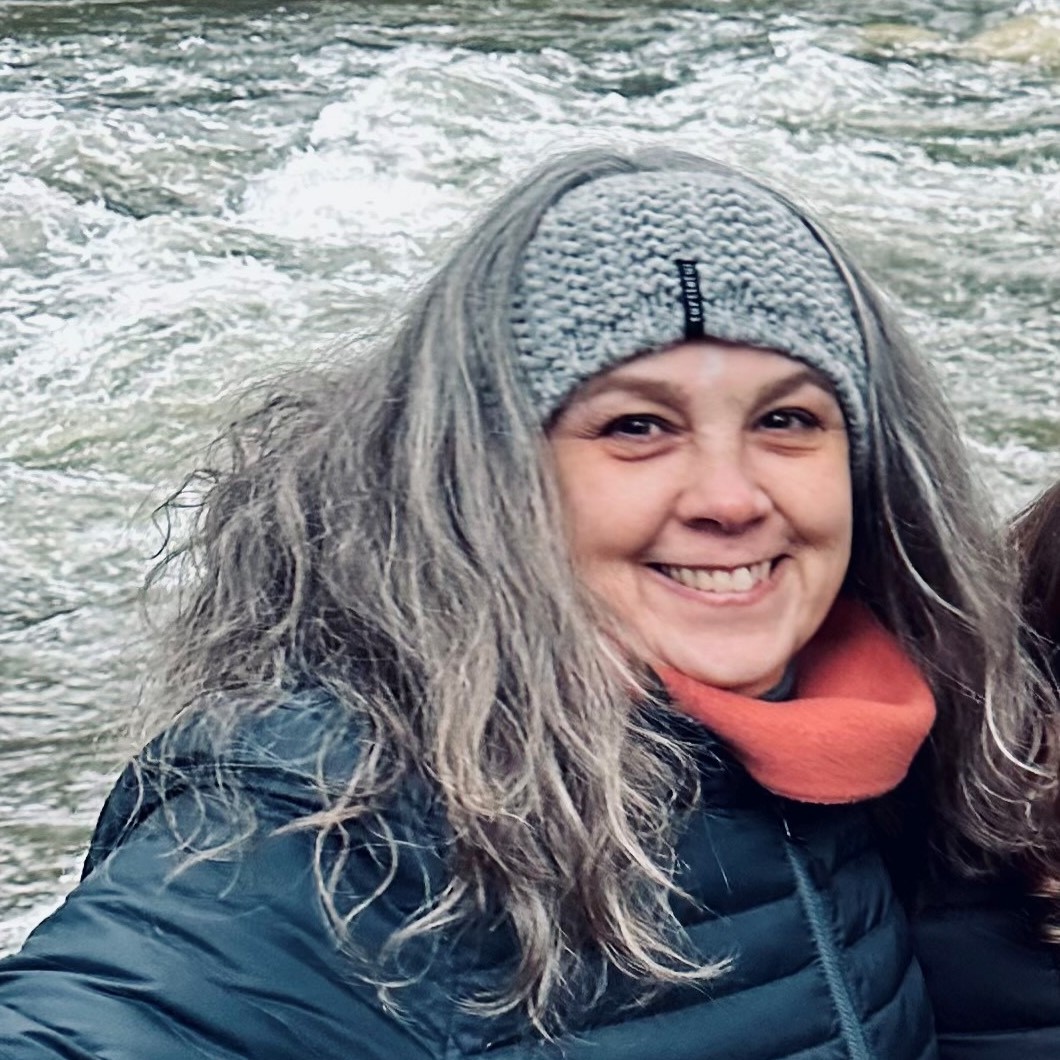 Kathryn Fidati is a Certified Nature and Forest Therapy Guide through the Association of Nature and Forest Therapy and a former CNC Interpretive Naturalist and canoe guide. She holds these certifications: Georgia Master Naturalist, Certified Interpretive Guide, Wilderness First Aid/CPR, PT, LMT.