Connecting with the Chattahoochee River
A Journey Down an Amazing River
Written by Larry Strott, Canoe Coordinator at the CNC
June 15, 2020
 The Chattahoochee River starts as a small spring trickling out of an Appalachian Mountain hillside called Jack’s Knob, located about 10 miles north of Helen in Chattahoochee Gap. The tiny pool formed as water flows out of the ground is inhabited by tiny fish. The spring is also recorded as a reliable water source for hikers on the Appalachian Trail. Right from its modest start, the Chattahoochee River supports both natural and human lives. The water follows gravity down the mountain, across the state of Georgia, and eventually reaches the Gulf of Mexico about 550 miles south. Hundreds of tributaries make up the watershed that converges into the Chattahoochee River until it becomes large enough to support the needs of millions of people in 3 states. If you live in the vicinity of the Chattahoochee, there is a very good chance that the 60% of your body that is made of water, is in fact, Chattahoochee River water. The river is literally our life blood.
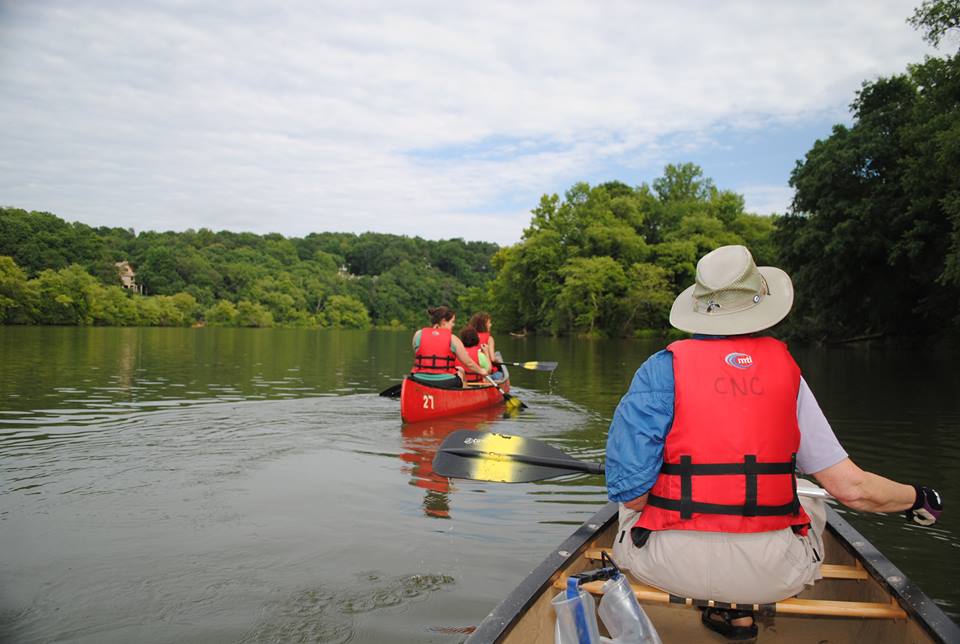 The transformation from the small trickle in the north Georgia mountains, to the beautiful river that flows past the Chattahoochee Nature Center, happens over many miles, growing in size from the many smaller tributaries along the way. The Chattahoochee Nature Center’s transformation from its own modest grassroots beginning back in 1976, to today’s 127-acre facility that touches the lives of more than 130,000 people each year, happened over many decades, thanks to thousands of members, sponsors, and volunteers, building a strong foundation. The river brings life-giving water to nourish our bodies and the Chattahoochee Nature Center provides unique natural experiences to enrich our minds. The Chattahoochee Nature Center Canoe Programs allow people to experience the natural world of the Chattahoochee River up close. In 2019 we had over 900 participants join us on the water through the CNC canoe programs!
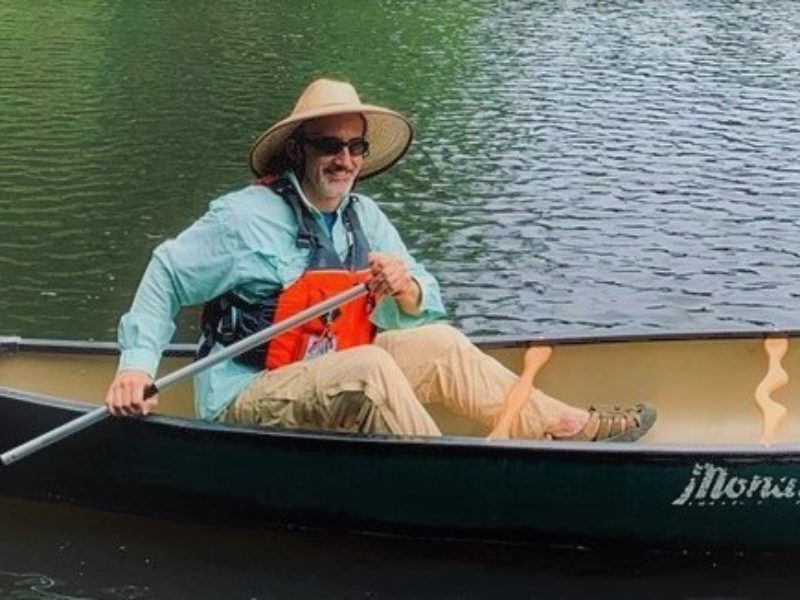
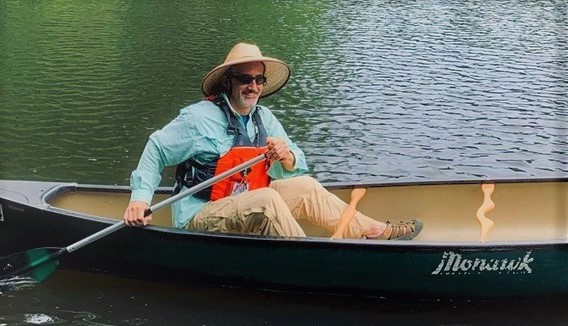
Like many people here in Atlanta, the Chattahoochee Nature Center brought me together with the Chattahoochee River as a child back in 1979, when I took a canoe class on Kingfisher Pond. A decade later, still as a young man, I took a naturalist class at the Chattahoochee Nature Center. By this time, I had explored nearly every inch of Bull Sluice Lake in my canoe. My wife and I had our first date at Island Ford, sitting on a rock overlooking the river. We married on the same spot, and after which, I paddled my new bride 3 miles downriver to the Roswell River Landing where we held our reception. Not too many years later we would bring our own children back to the Chattahoochee Nature Center to let them start on their own path of natural discovery. Now I have come full circle and returned to the river and the Chattahoochee Nature Center, as a Canoe Guide. My journey with the Chattahoochee Nature Center has taken me down our amazing river for over 40 years. It has shown that the Chattahoochee Nature Center is not a resource just for children, but an invaluable source of natural experiences for all ages.
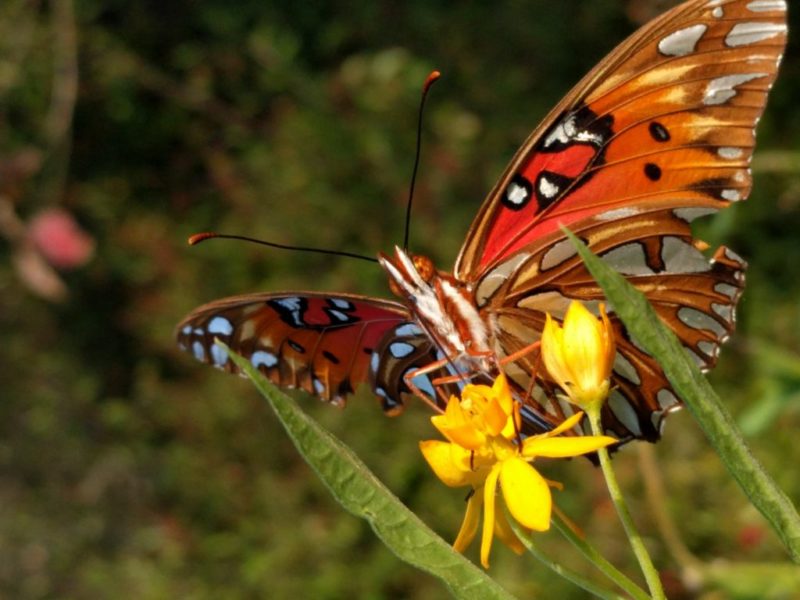
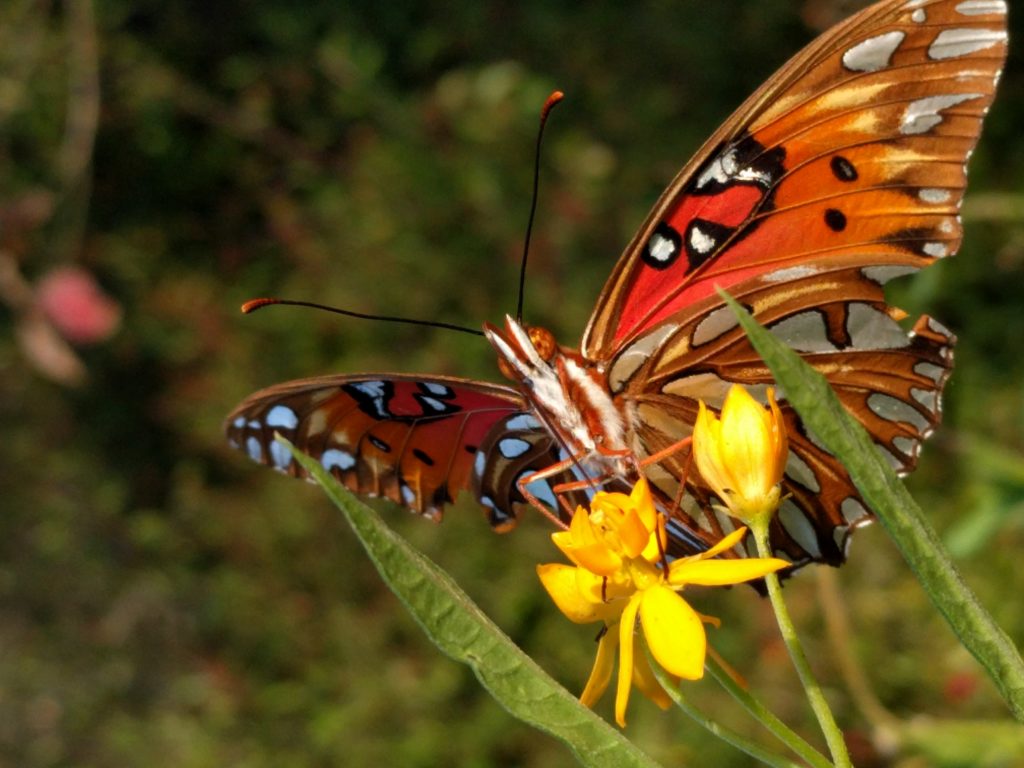 Pollinators of all kinds – including bees and butterflies – are relied upon heavily in the plant world to, well, pollinate. The relationship between pollinators and flowers is one that most people understand. Butterflies rely on nectar, the sweet liquid found hidden within flowers. As a butterfly lands and sips nectar it unintentionally picks up pollen. By doing that it does the flower a favor by moving its pollen around the garden and ensuring another generation of blooms. While a butterfly may visit a variety of flowers for nourishment, they look for specific plants – called “host plants” – on which to lay eggs. A caterpillar is choosy; it will not munch the leaves of just any plant.
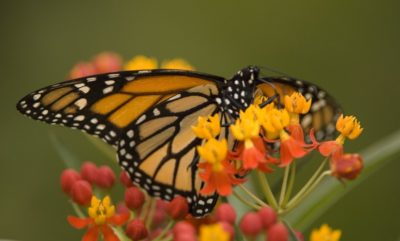
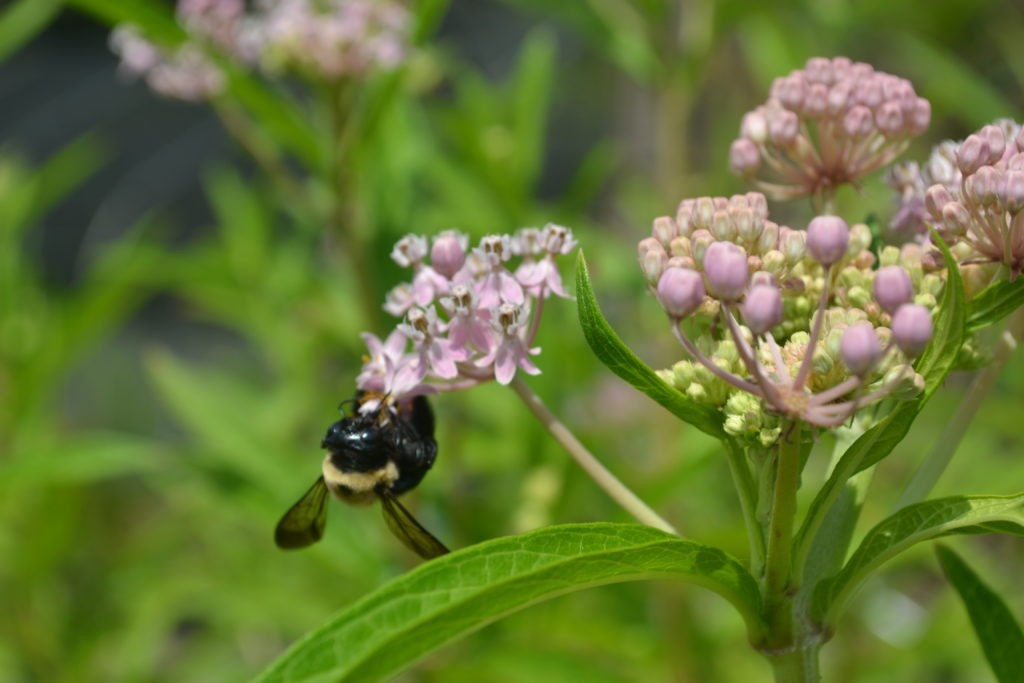 One famous example is the milkweed species of plant. Monarch Butterflies, those bright orange and black butterflies, will only lay their eggs on milkweed, making it essential to their survival. However, if the milkweed is not present when the Monarchs make their annual migration to Mexico, they cannot breed. Likewise, the Tiger Swallowtail, Georgia’s state butterfly, looks for tulip poplar trees, on which to lay their eggs.
 Notes: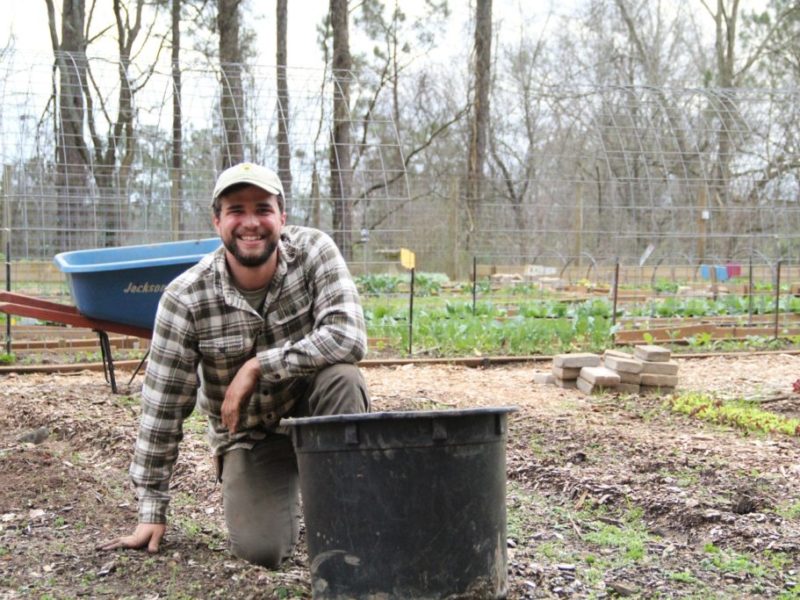
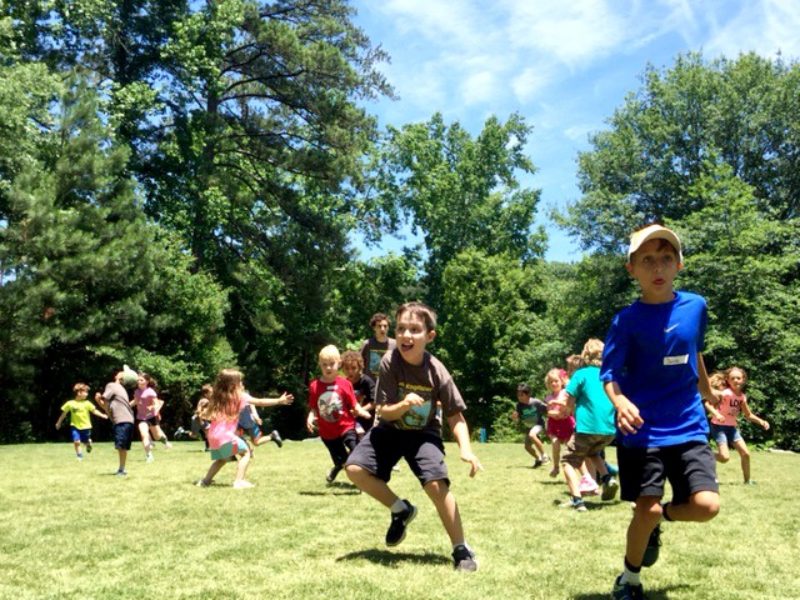
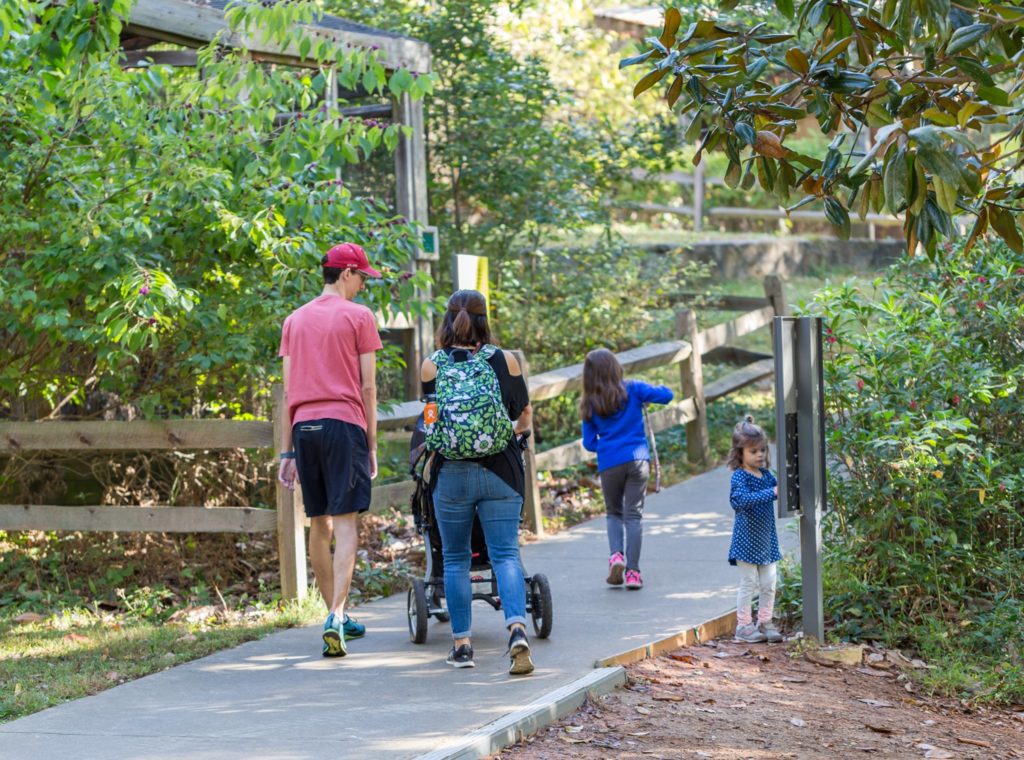 As CNC begins the process of reopening to the public, we are happy to have visitors back on the property. There were too many quiet days, and we have enjoyed hearing kids laughing and enjoying the grounds the past week. The ticketing and reservation system, plus operational changes, will allow us to provide an outdoor, natural area for our guests to enjoy and also feel like we are taking their health and safety into consideration.
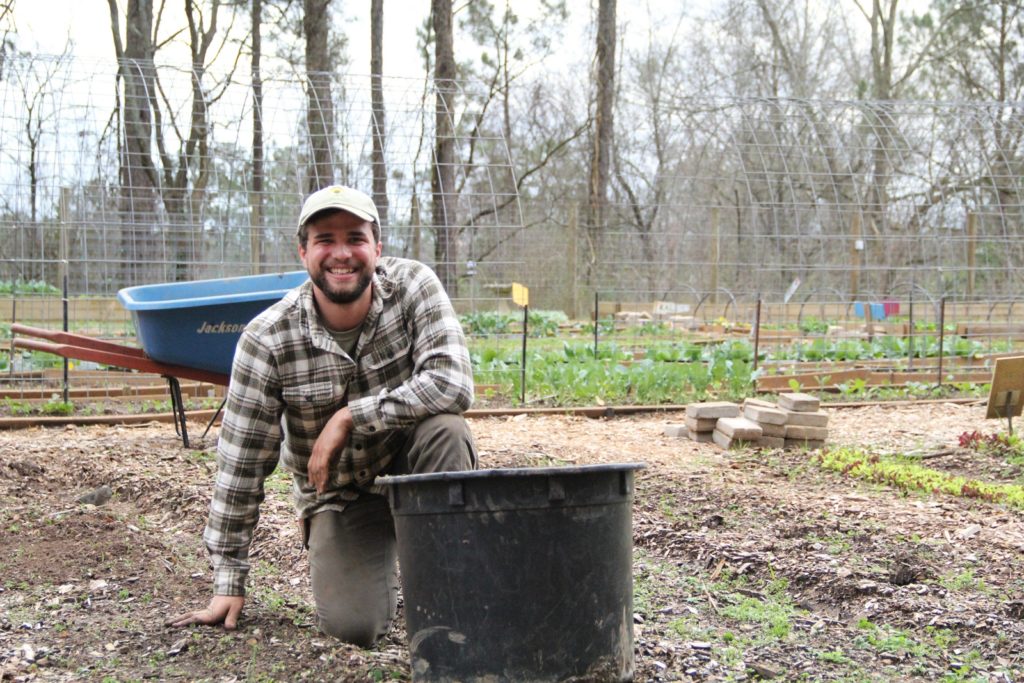 The Unity Garden has a group of dedicated volunteers that show up each week to help plant, weed, and harvest the 1/4 acre garden. In 2019 the horticulture department, which includes the Unity Garden, had 504 volunteers that provided 4,300 hours. The support of volunteers has been missed greatly. The largest obstacle over the last few months in the Unity Garden has been harvesting. It takes a considerable amount of time for Unity Garden Horticulturist, Christopher Horacek, to harvest alone each week, even with other horticulture staff helping him out.
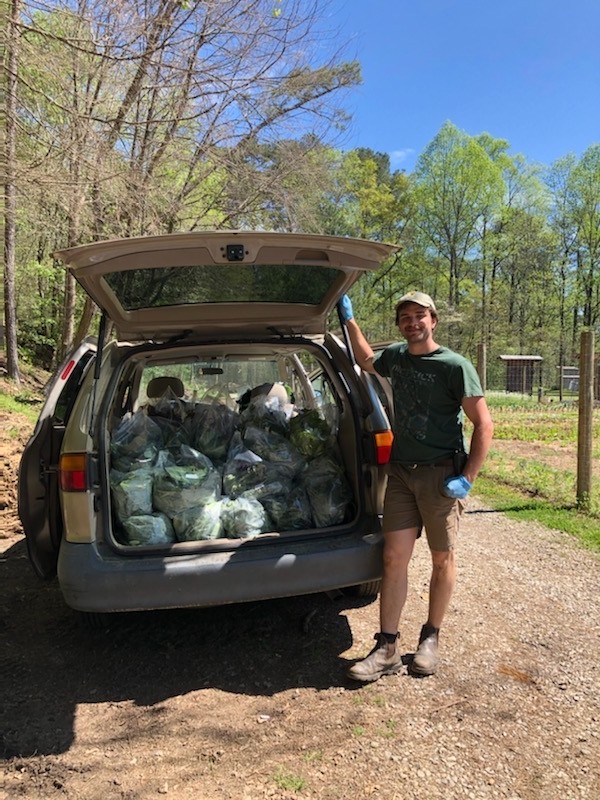 We have donated just over 1.5 tons of produce to North Fulton Community Charities to support their food bank for 2020. Last year we donated just over 4 tons. As you can imagine summer will produce larger harvests and donations, which is why it is so important right now to continue preparing the Unity Garden for summer crops even without the help of volunteers.

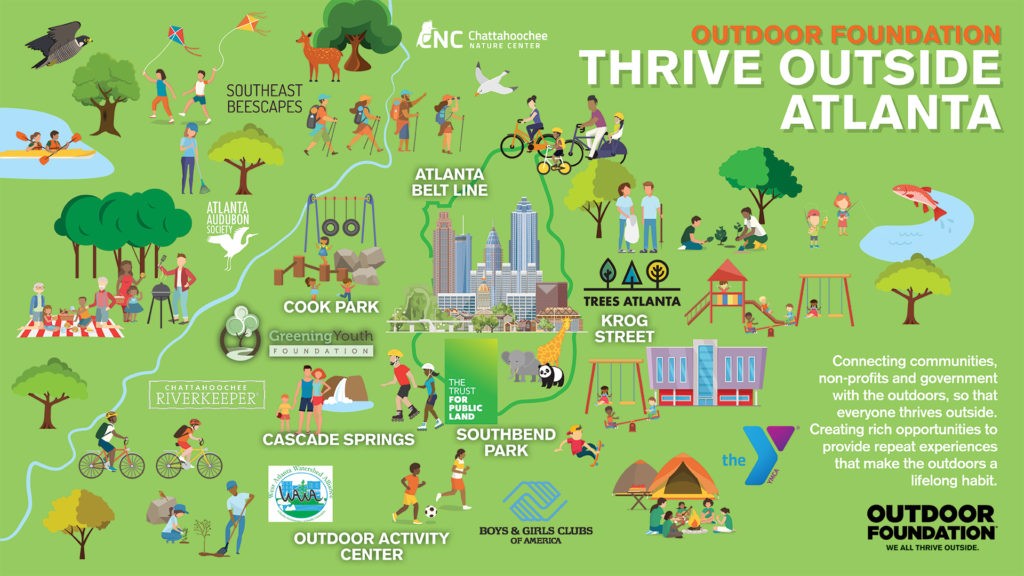
 When COVID-19 forced the Thrive ATL partners at the YMCA and Boys & Girls Clubs to temporarily close their doors, we moved our programs on-line so that we could still reach their children. We are now making the programming available to everyone! We use the GooseChase App, available at the Mobile App Store, to share different challenges for young people to pursue. Every week, members of our network come up with dozens of engaging and educational challenges that get kids outside and into nature. Get GooseChase, access the Thrive Outside Atlanta channel, and let the games begin. It’s a fun, free way to get children from Atlanta and beyond to Thrive Outside.