Nestled within the serene 127-acre campus of Chattahoochee Nature Center (CNC), Camp Kingfisher has been an oasis of nature exploration, discovery, and joyful memories for three decades. Its mission: connecting kids with nature and each other.
As we celebrate the 30th anniversary of Camp Kingfisher this year, we reflect upon the immeasurable impact this remarkable camp has had on multiple generations of young minds. With a commitment to fostering environmental stewardship and a deep connection with nature, Camp Kingfisher has become a beloved institution, inspiring children to forge lifelong bonds with each other and the great outdoors.
Camp K is a place where everyone belongs, where campers come to be welcomed, supported, and loved.
Exploring Nature’s Classroom
 Since 1993, Camp Kingfisher has welcomed campers from around metro Atlanta and the entire world! From hiking along forest trails to canoeing through tranquil waterways, every day brings new adventures and discoveries. Set amidst the lush woodlands and serene banks of the Chattahoochee River, the camp offers an unparalleled opportunity for children to explore and connect with the natural world.
Camp Co-Director Debby Head started her Camp Kingfisher journey as a 4-year-old camper, progressing through the ranks to her current position. Reflecting on the profound impact of the camp, she says, “For me, Camp Kingfisher holds a special place in my heart because it’s been a part of my life since I was a child. This camp has shaped who I am today, and I am grateful for the opportunity to contribute to its legacy.”
Debby’s journey from camper to Camp Co-Director is a testament to the transformative power of Camp Kingfisher. The camp ignited her passion for nature and environmental education during her early years as a camper, where she discovered the joy of connecting with the natural world. As a counselor, she found purpose in guiding and inspiring young campers, encouraging them to explore, learn, and develop a deep appreciation for the environment and become the best, most true version of themselves.
Debby estimates that 30% of camp staff Counselors begin their journey as campers at Camp Kingfisher, just like her! We call this a Camp K Legacy – a camper who becomes a Leader-in-Training (LIT), then a staff Counselor. This summer, we have 10 Camp K Legacy Counselors on staff, another testament to the positive impacts of Camp Kingfisher.
The Beginnings of Camp Kingfisher
Ronald Warnken, Jr., Camp Kingfisher’s first Camp Director, remembers Debby as an eager young camper-turned-counselor. Ron came to CNC in his 20s with a wildlife management degree from UGA and a second degree in environmental education. He had volunteered at nature centers during his school years, spent a year touring America’s National Parks, then ran a nature program at a summer camp. His mom, Sally Warnken, a longtime Docent at CNC, told him of the CNC job opening for Camp Director.
Hired in April 1993 and expected to launch the camp in June, Ron teamed up with longtime CNC staff member Henning Von Schmeling and the maintenance team to prepare the campus, where they painted, pulled weeds, and removed rusty nails. Ron developed a curriculum, secured canoes, hired and trained staff, and managed the logistics of turning the existing Camp Chattahoochee, a small half-day camp, into a full-day camp for 100 children. The Camp Kingfisher name evolved from a competition between staff members and volunteers, settling on the name Kingfisher in honor of this beautiful bird often seen around CNC’s 127-acre property.
Under Ron’s leadership, Camp Kingfisher grew each year and kept a robust waiting list due to its reputation as a safe, fun, wholesome educational environment for children. He added more weeks, developed new themes, and hired more staff. When he left the role, he had 20 counselors working for him.
Ron and his wife, Jean, lived on the CNC campus for the eight years he served as Camp Director, and he remembers fondly the peaceful time they spent there, especially hiking and canoeing during off-hours. He treasured the family environment of Camp Kingfisher and the safety, beauty, and serenity of Chattahoochee Nature Center. Ron continues to nurture his passion for the environment and conservation by serving as the Director of Conservation Programs for six states for the National Wildlife Federation.
Engaging Activities and Environmental Education
Camp Co-Directors Debby Head and Laura Viator have continued to grow and contribute to the camp’s success, which lies in its ability to combine education with fun-filled activities, resulting in an unforgettable summer experience. Campers explore a diverse range of activities, including animal encounters, wildlife observation and habitat study, organic gardening, native plant identification, archery, canoeing, swimming, nature-inspired crafts, and scientific experiments. Experiential learning is the focus, and counselors encourage campers to get their hands dirty and immerse themselves in nature.
Viator states, “Through hands-on activities, interactive learning, and engaging experiences, Camp Kingfisher cultivates a sense of wonder and curiosity in children. In today’s digital world, it is imperative that children have opportunities for safe, fun outdoor exploration. We aim to inspire the next generation of environmentalists who will cherish and protect the natural environment.”
Today, Head and Viator hire over 50 counselors each year and welcome over 2,000 campers throughout the summer.
“We believe that nature is the best classroom,” says Viator. Head adds, “At Camp Kingfisher, campers have the opportunity to have fun, make friends, and engage with the natural world directly, which opens their mind and encourages them to respect the environment.”
Donate today to celebrate Camp Kingfisher’s 30th anniversary and support CNC’s mission to connect people with nature.


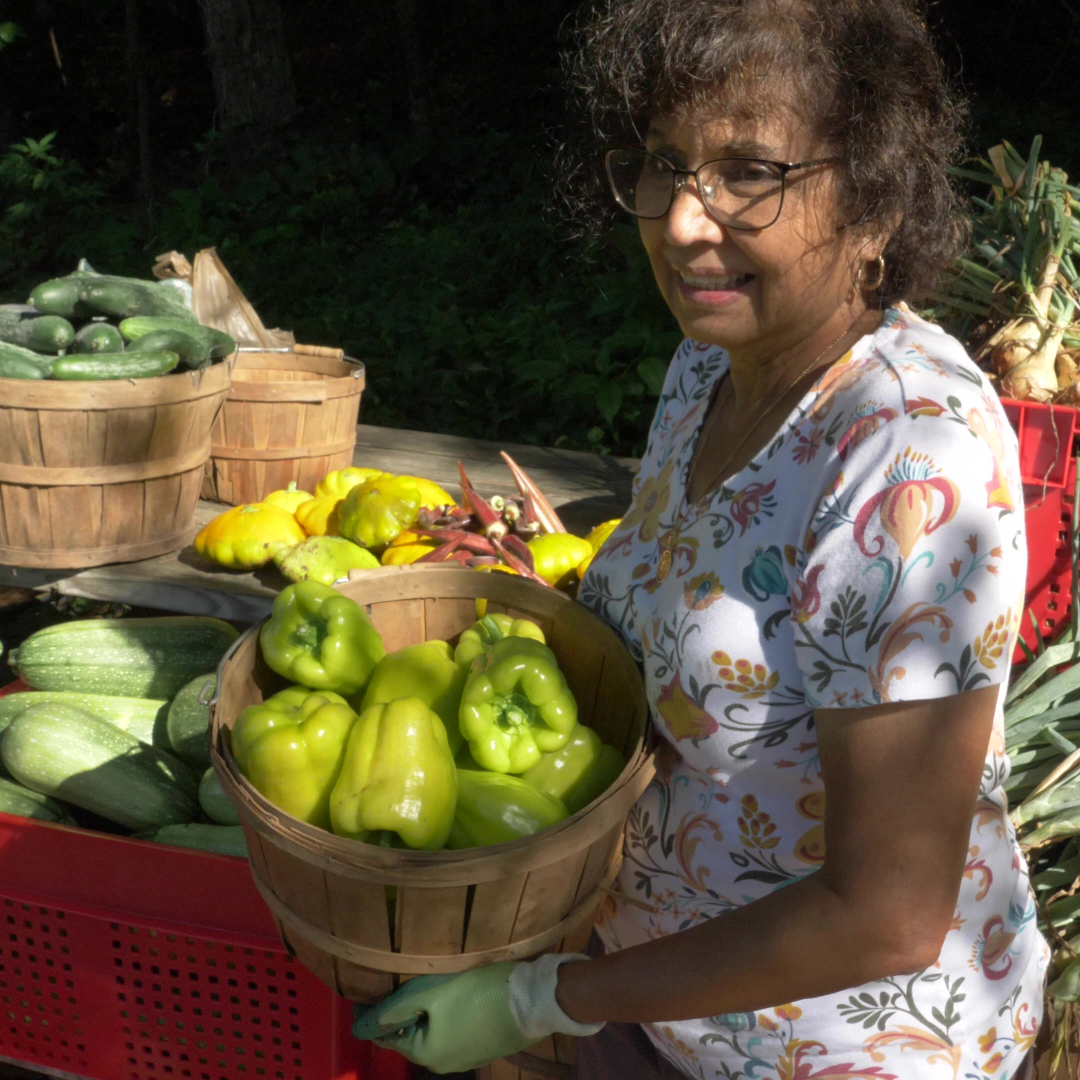
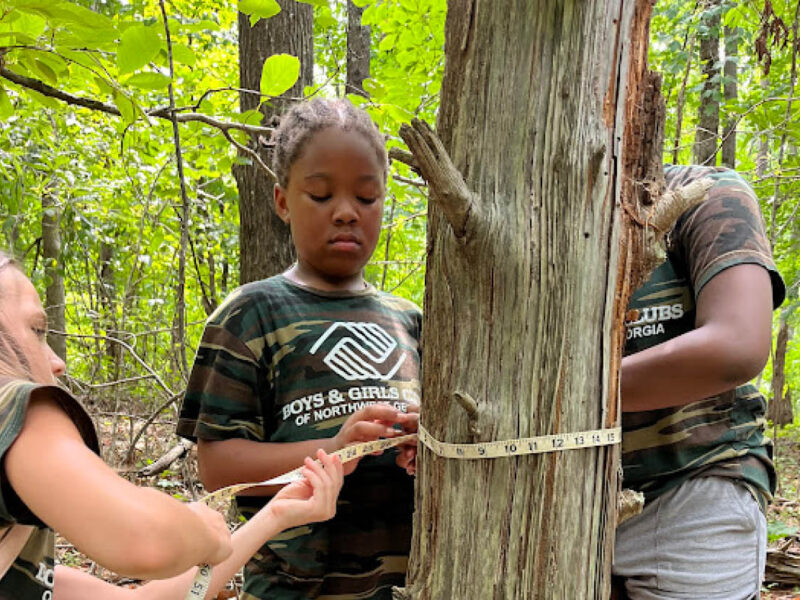
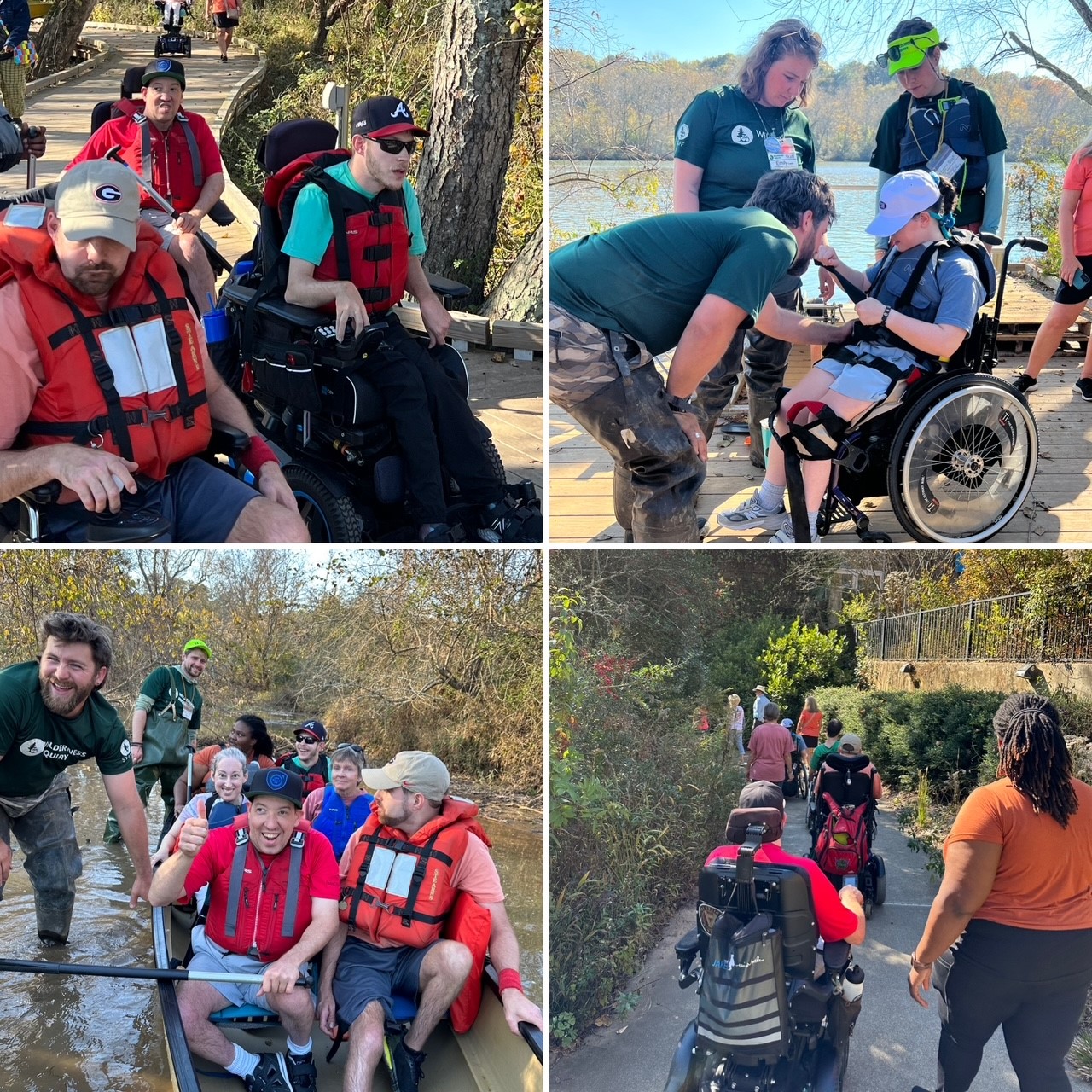 In 2024, CNC’s environmental education programs will reach over 40,000 participants. This month, we will visit many schools and organizations, and many students will come out to CNC for field trips.
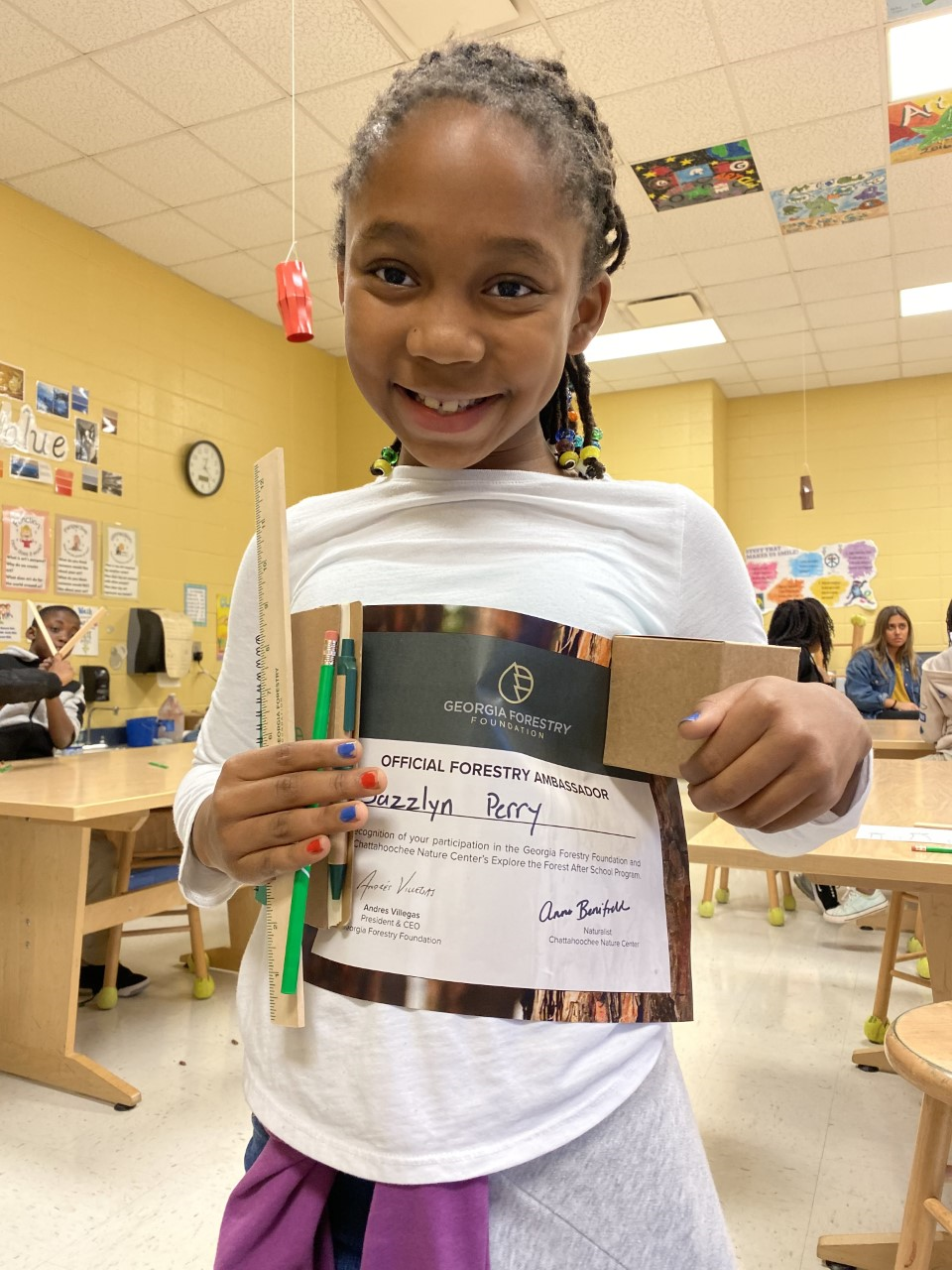 We are also proud to partner with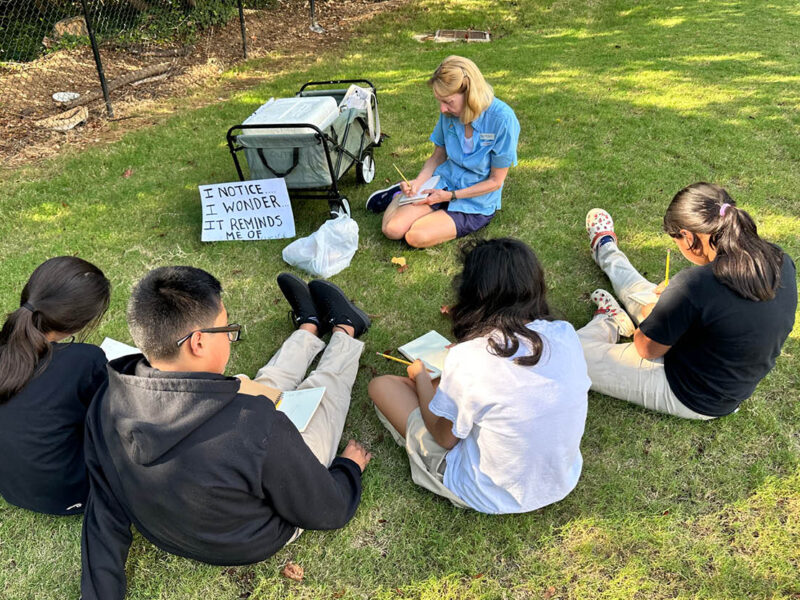
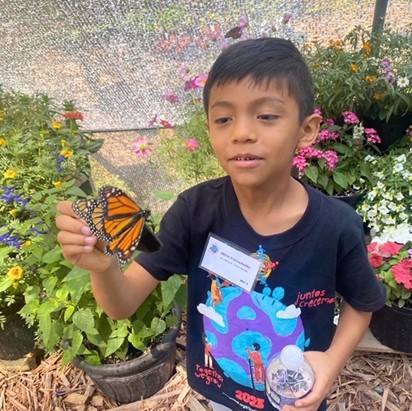 Since 2020, CNC has proudly partnered with LNP, an organization dedicated to empowering Latino students and their families through holistic academic, leadership, and community programs. Previously focused on more singular experiences – this year’s CSP funding allowed the partnership to broaden its scope, offering year-round, repeat nature experiences for all grade levels, families, teen volunteers, and teachers. We believe that students who participate in repeated outdoor experiences at CNC and in their neighborhoods increase their comfort with being outdoors and allow them to develop a sense of place, leading to lasting benefits in their everyday lives.
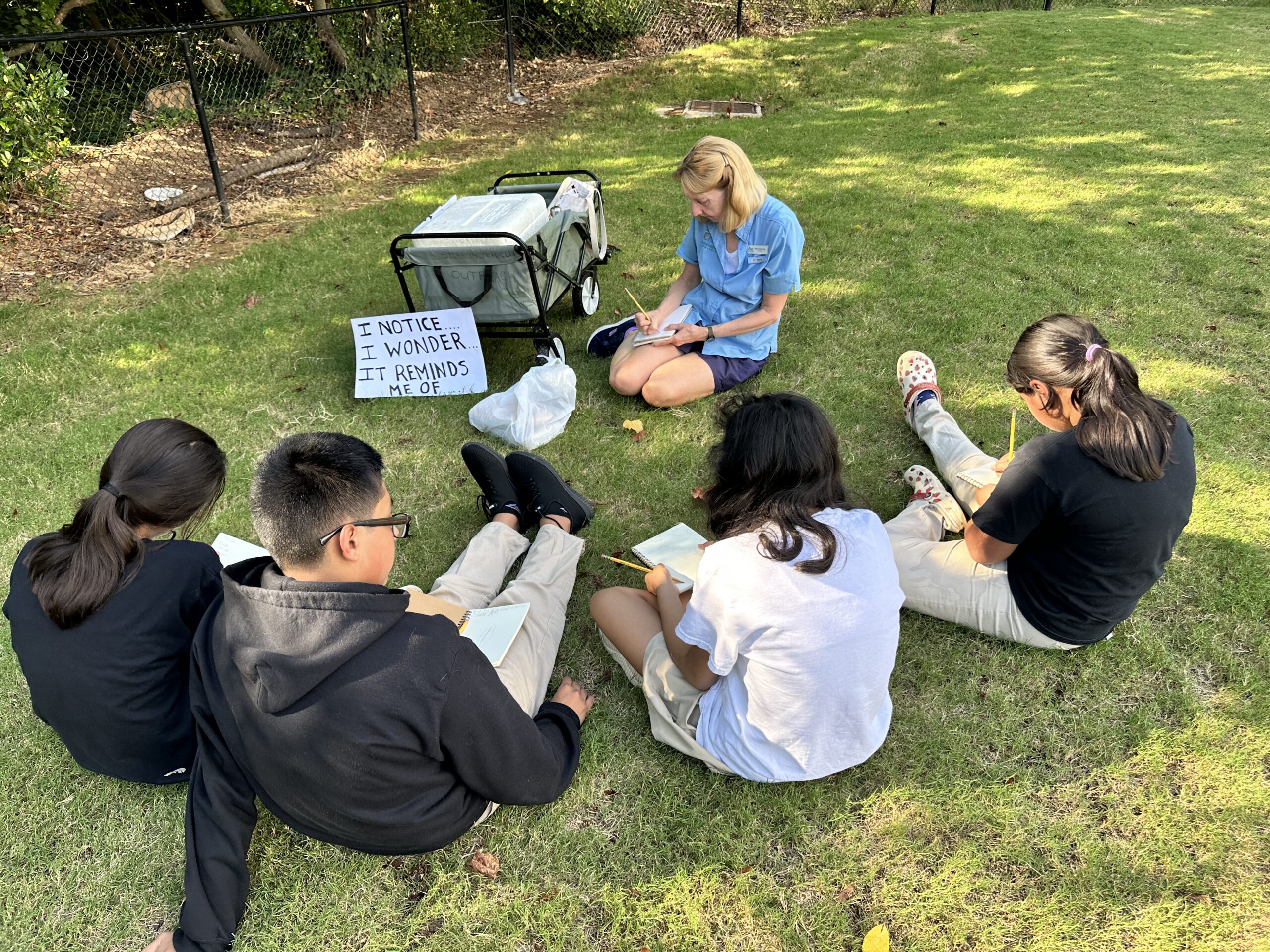
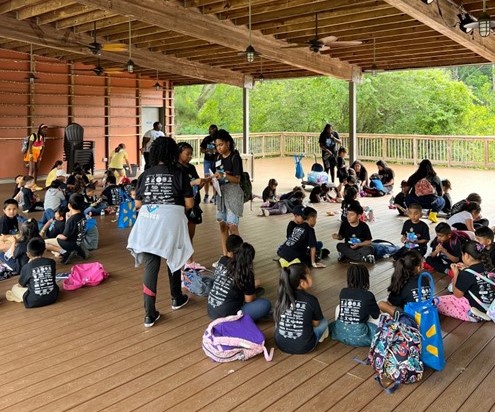 The Connecting Los Ninos with Nature program kicked off with a training session for LNP teachers at CNC’s campus, introducing them to outdoor spaces for field trips and brainstorming ideas on how to incorporate the outdoors into their lessons. From here, over 600 LNP students, teen volunteers, and staff visited CNC this summer for a naturalist-led program, where students met live animals and learned about connecting with the nature around us. These field trips were complemented by outreach programs delivered at LNP locations in the community, where CNC Naturalists shared engaging nature activities and animal encounters with students. In September, the Young Naturalist After-School Club began, providing middle school students weekly programs. Through engaging activities, such as nature journaling, animal encounters, and exploring surrounding natural habitats, students honed their skills to deepen their connection to nature and become environmental stewards. CNC was also proud to host LNP’s Youth Volunteer Leadership meeting in the fall. Along with providing an event space for their meeting, the Youth Leadership team enjoyed a team bonding experience canoeing on one of CNC’s ponds.
 The Connecting Los Ninos with Nature program also engaged LNP families. This summer, CNC hosted LNP for the annual Mayors Summer Reading Club (MSRC) event. The MSRC is a program for children ages birth to five and their families that takes place in various locations throughout Atlanta each summer. In summer, organizations like CNC hold “book club reads” to model research-based methods of reading books with children and host enrichment events based upon the stories. The books come to life as children enjoy activities, drama, and other hands-on activities designed to make the language in the stories meaningful to children. Families were also treated to a bilingual live animal encounter presented by one of CNC’s incredible docents. In the fall, CNC continued to engage families and hosted LNP Family Days. These monthly invitations provided free admission to LNP families to enjoy CNC’s 127 acres of forestland, wetland, and riverfront property together.
 Your Place on the River provides exclusive behind-the-scenes access to the Wildlife Department, where experts share insights into the behavior and care of the resident animals. Wander through the lush landscapes of the Horticulture Department and discover the secrets behind the vibrant flora that paints the center’s picturesque scenery. Journey through the educational initiatives with the Education Department, gaining a deeper understanding of impactful programs designed to connect people with nature. Oh, the places you’ll go!

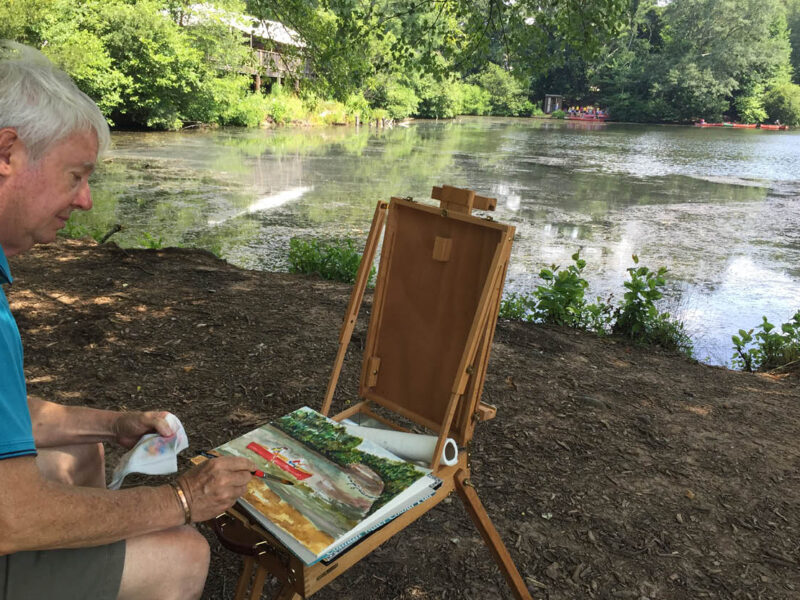
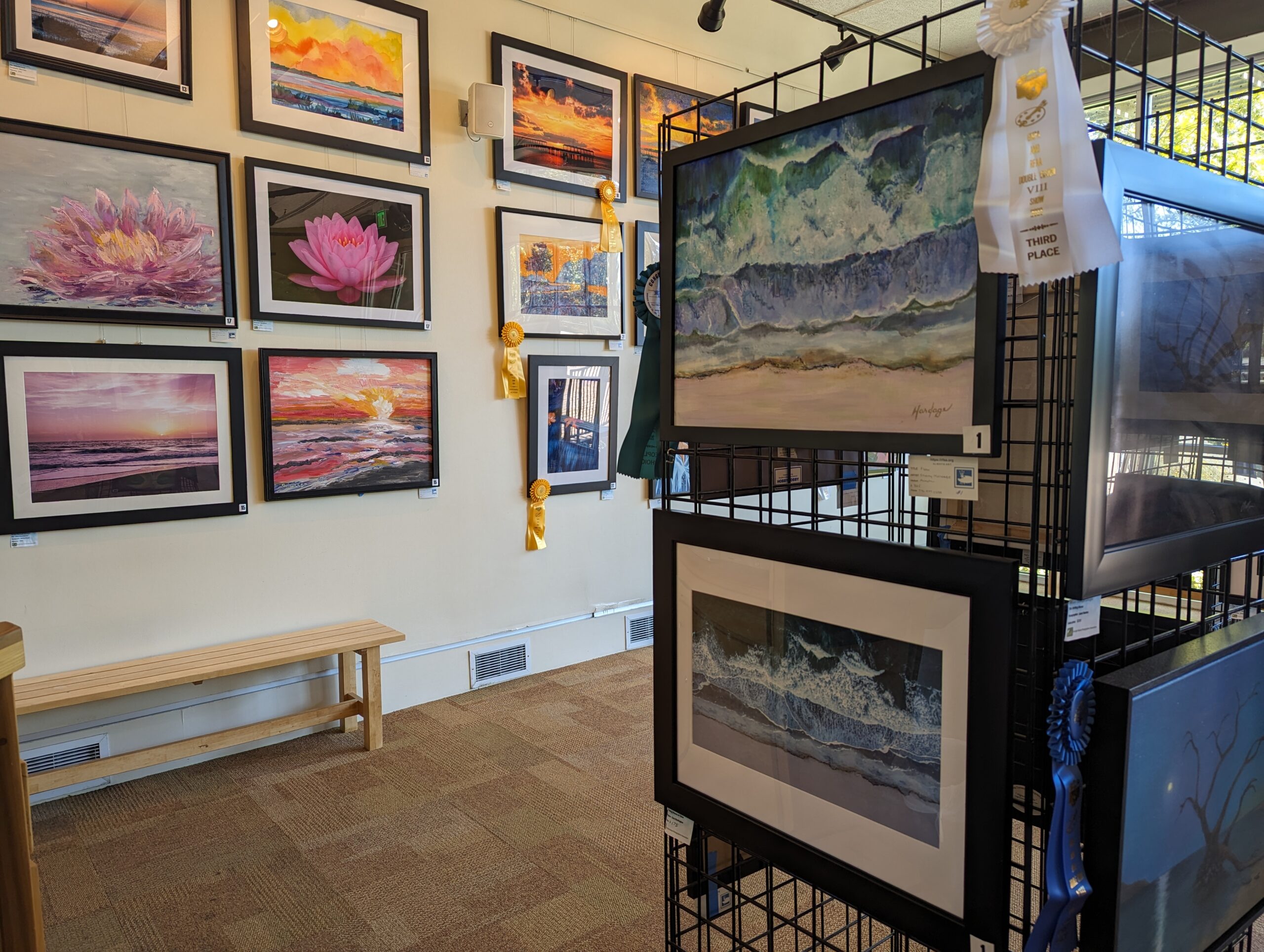 In recent years, CNC’s fall quarter gallery hanging has been Double Vision. Double Vision is a special exhibit that shows the connection between nature and art by viewing one subject as envisioned by the photographer and the artist. Double Vision begins with a theme, and then the GNPA photographers take photos of anything related to that theme. For example, the theme could be Georgia’s natural water bodies. Once the GNPA selects 24 photographs for the show, they give them to the RFAA artists who create any kind of artwork they’d like with the freedom to reinterpret the photography however they choose. The exhibit’s focus is to illustrate the multiple ways of viewing and interpreting art, and CNC’s partnerships with GNPA and RFAA perfectly illustrate the different ways to connect with nature via art.
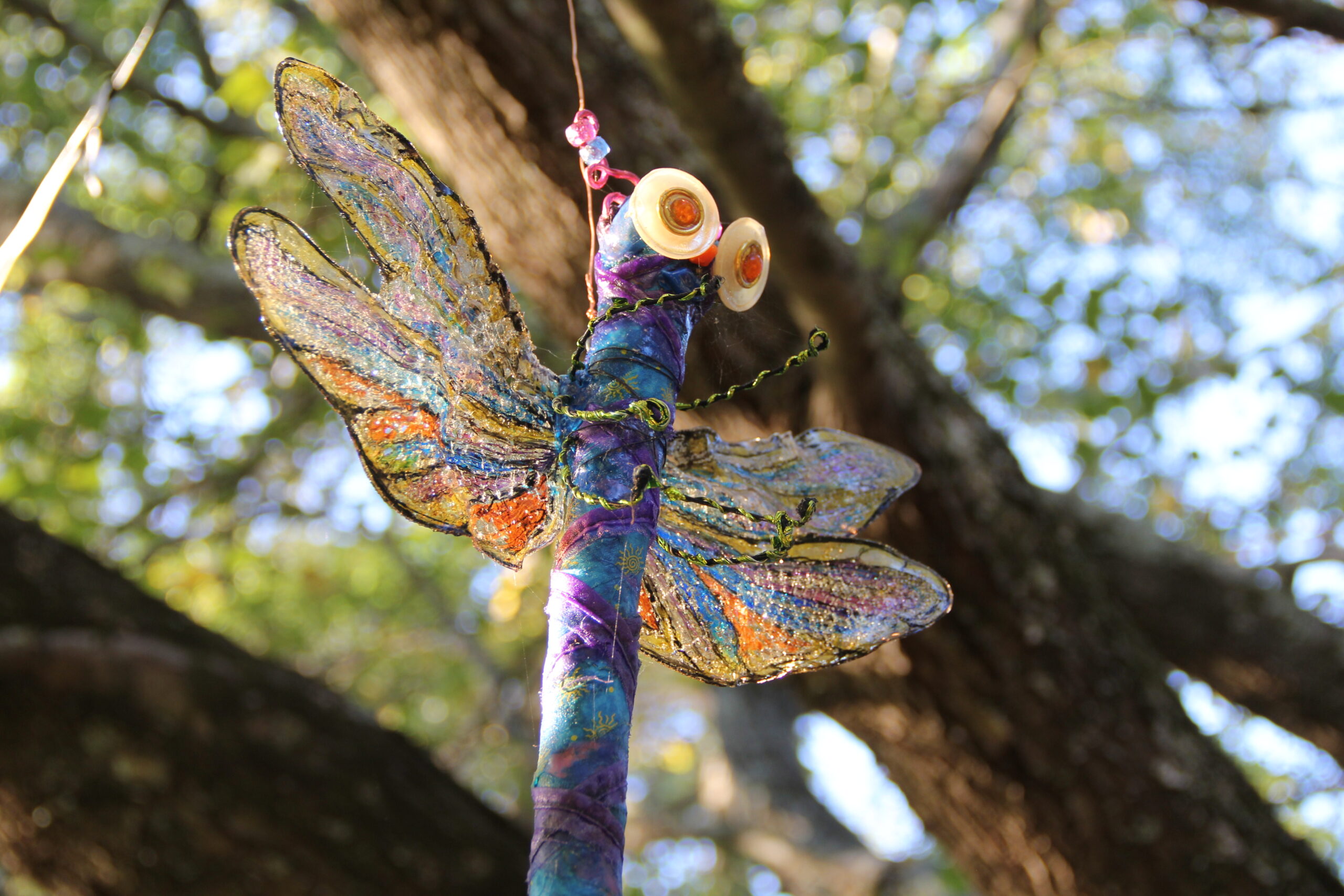 VamosChicos is another partnership that helps us connect people with nature through art. Katterina and Michael Nangle of VamosChicos are talented artists who contribute beautiful, eco-friendly art pieces to CNC’s seasonal exhibits such as Naturally Artistic and the Enchanted Woodland Trail. For two years, VamosChicos has created art entirely from recycled materials for display outside for CNC’s Naturally Artistic exhibit. VamosChicos strives to help CNC’s members and visitors see the connection between art and nature by reusing materials to create new and amazing works of art!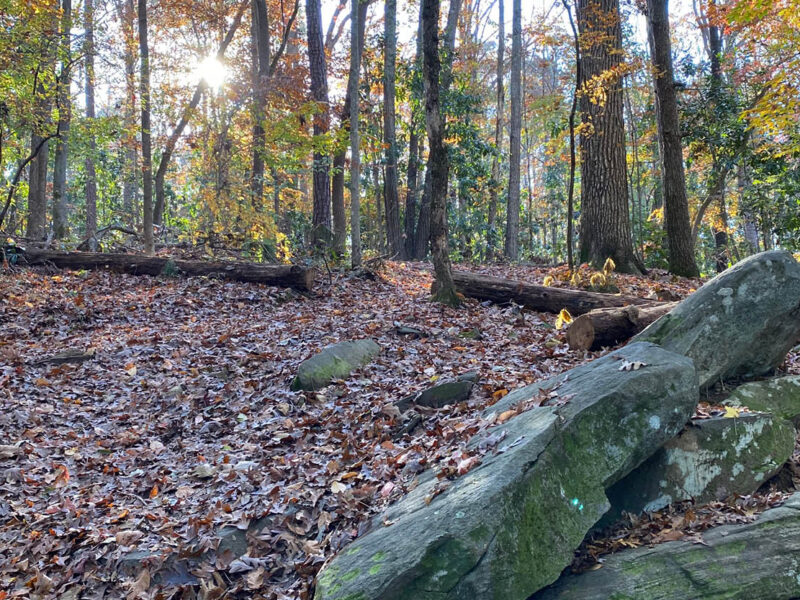
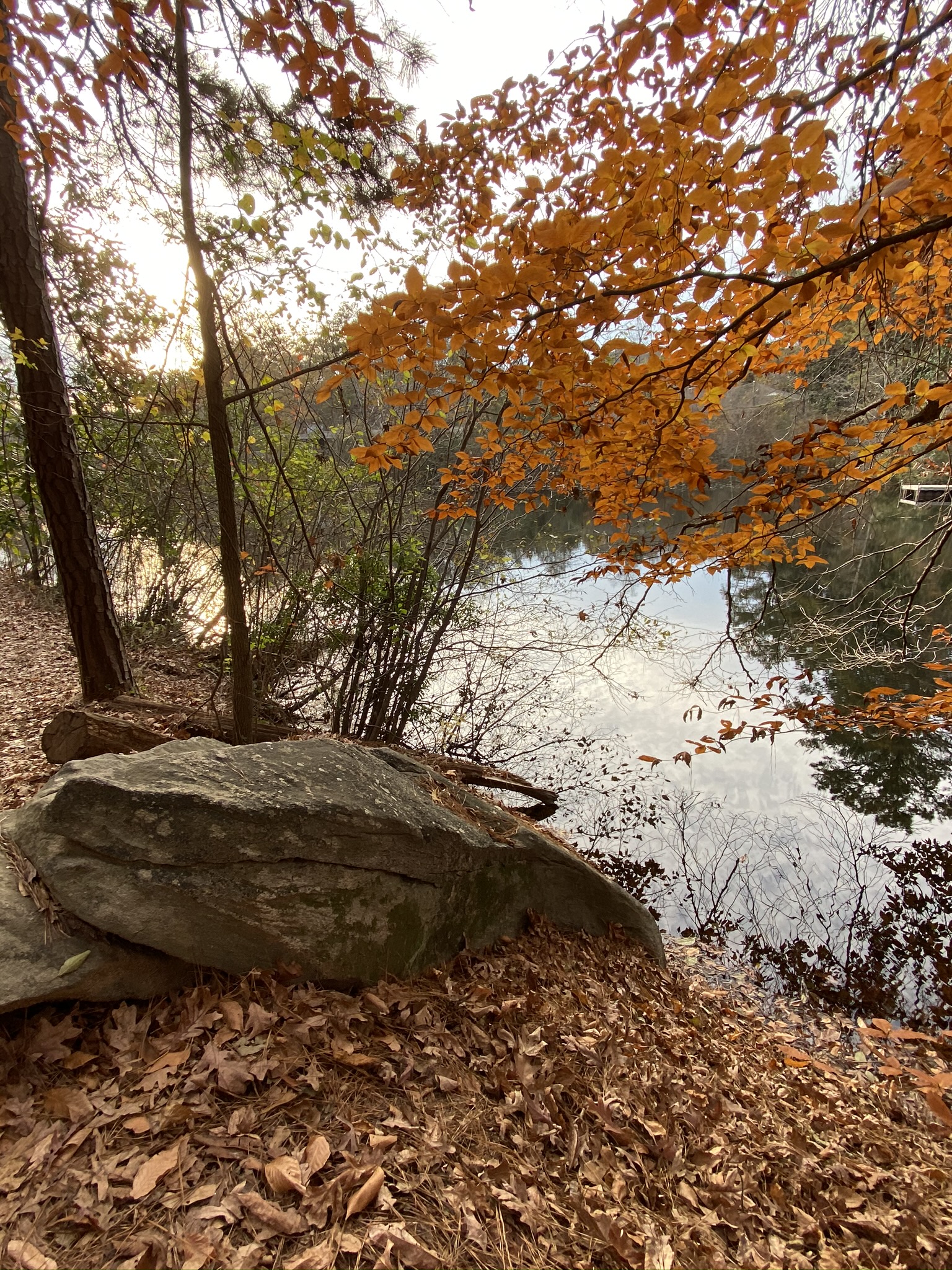 Unsurprisingly, I get many questions and a few comments when I share with people that I’m a Certified Nature and Forest Therapy Guide: “What’s that? You’re a therapist? Why do that outside? I don’t really need therapy, thanks.” When I share that Forest Therapy is also often referred to as Forest Bathing even more questions arise: “What’s that? A bath in the forest? Do I need a towel? How does that work?”
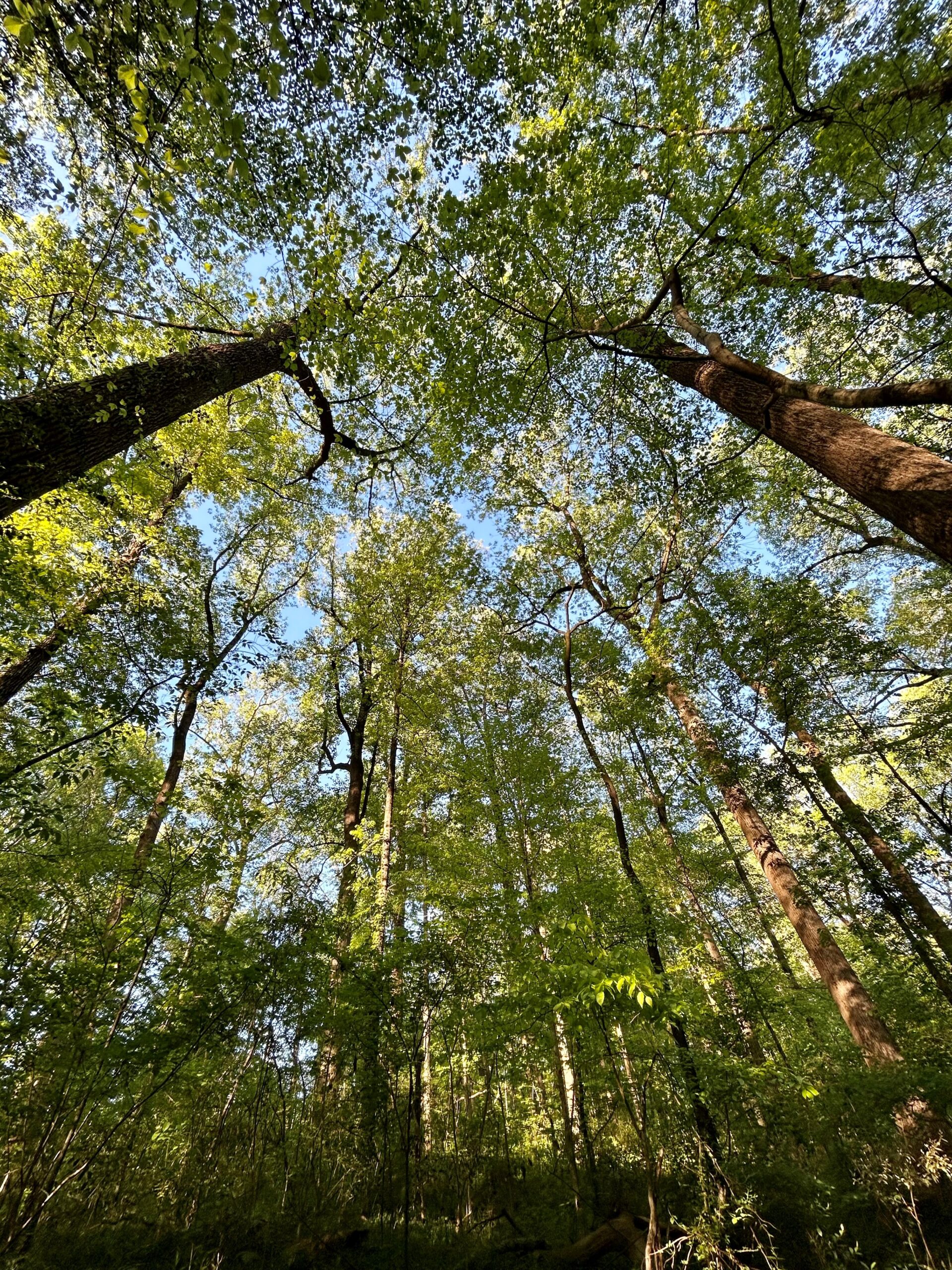 Though we can and often do have these experiences on our own, having a guide can assist the process by holding a safe container and relieving you, the participant, from the pressure of keeping track of time, decision making, or thinking about the next moment. A guide sets the pace, encouraging a downshift from our often hurried, fast-paced thinking and busy-ness. Just as one might turn to a personal trainer, yoga instructor, or walking group, many find being guided in Forest Therapy to be deeply supportive. And just like exercise or yoga, Forest Bathing is a practice that can be deepened by returning again and again, through different seasons.
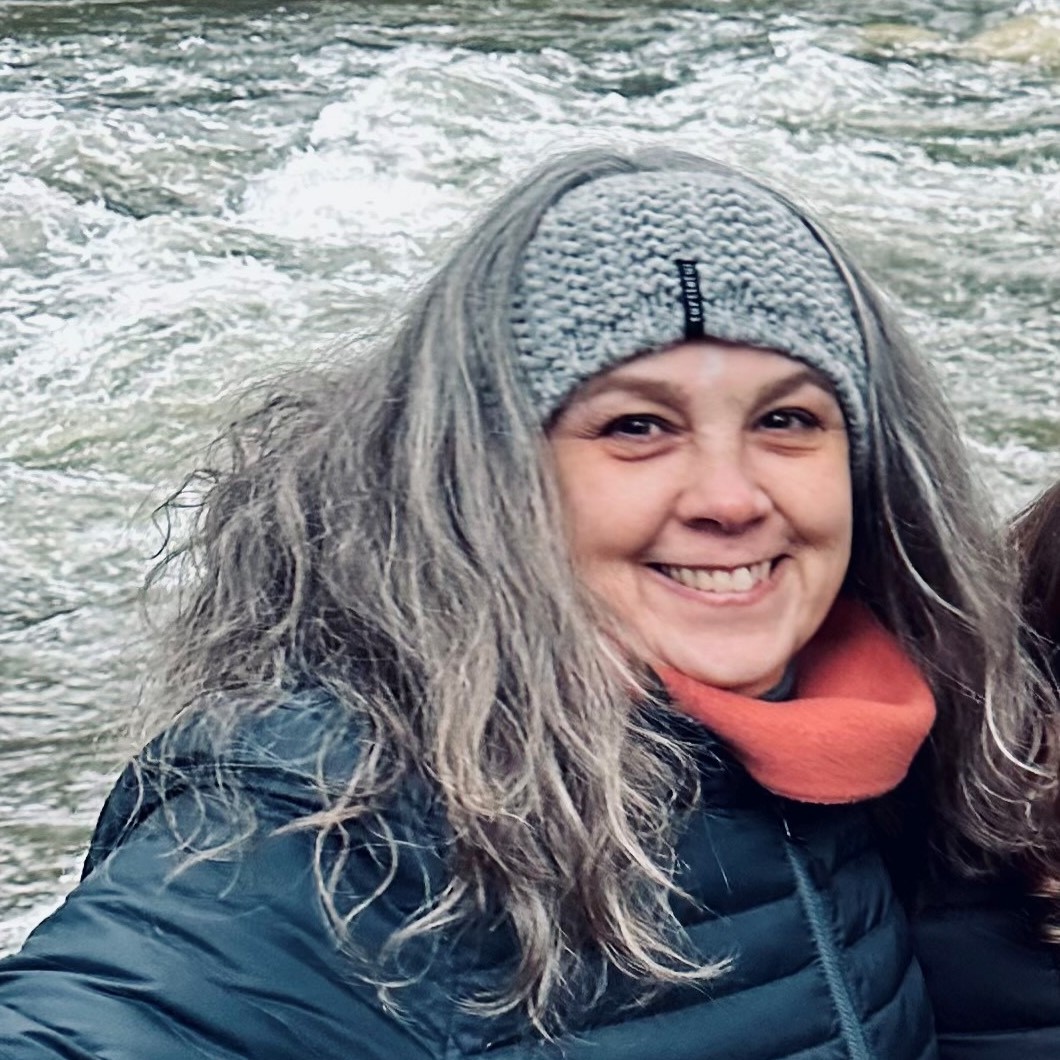 Kathryn Fidati is a Certified Nature and Forest Therapy Guide through the Association of Nature and Forest Therapy and a former CNC Interpretive Naturalist and canoe guide. She holds these certifications: Georgia Master Naturalist, Certified Interpretive Guide, Wilderness First Aid/CPR, PT, LMT.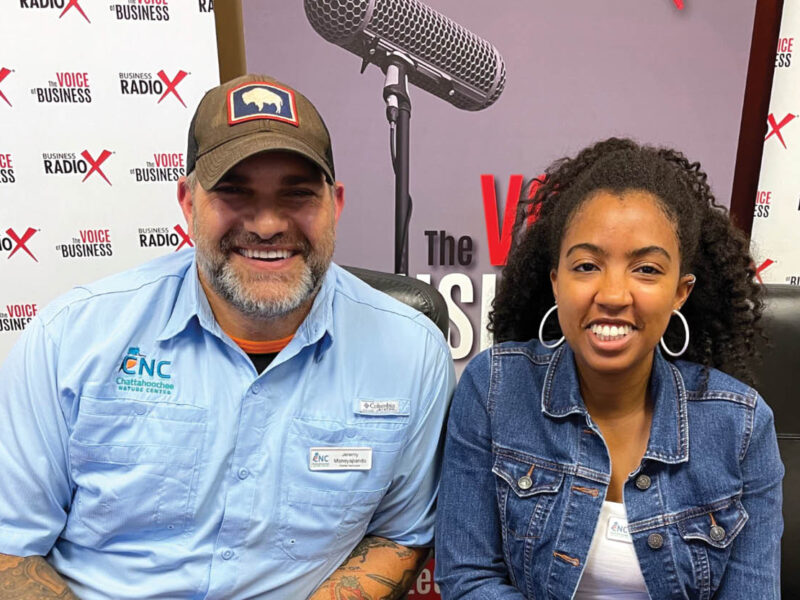
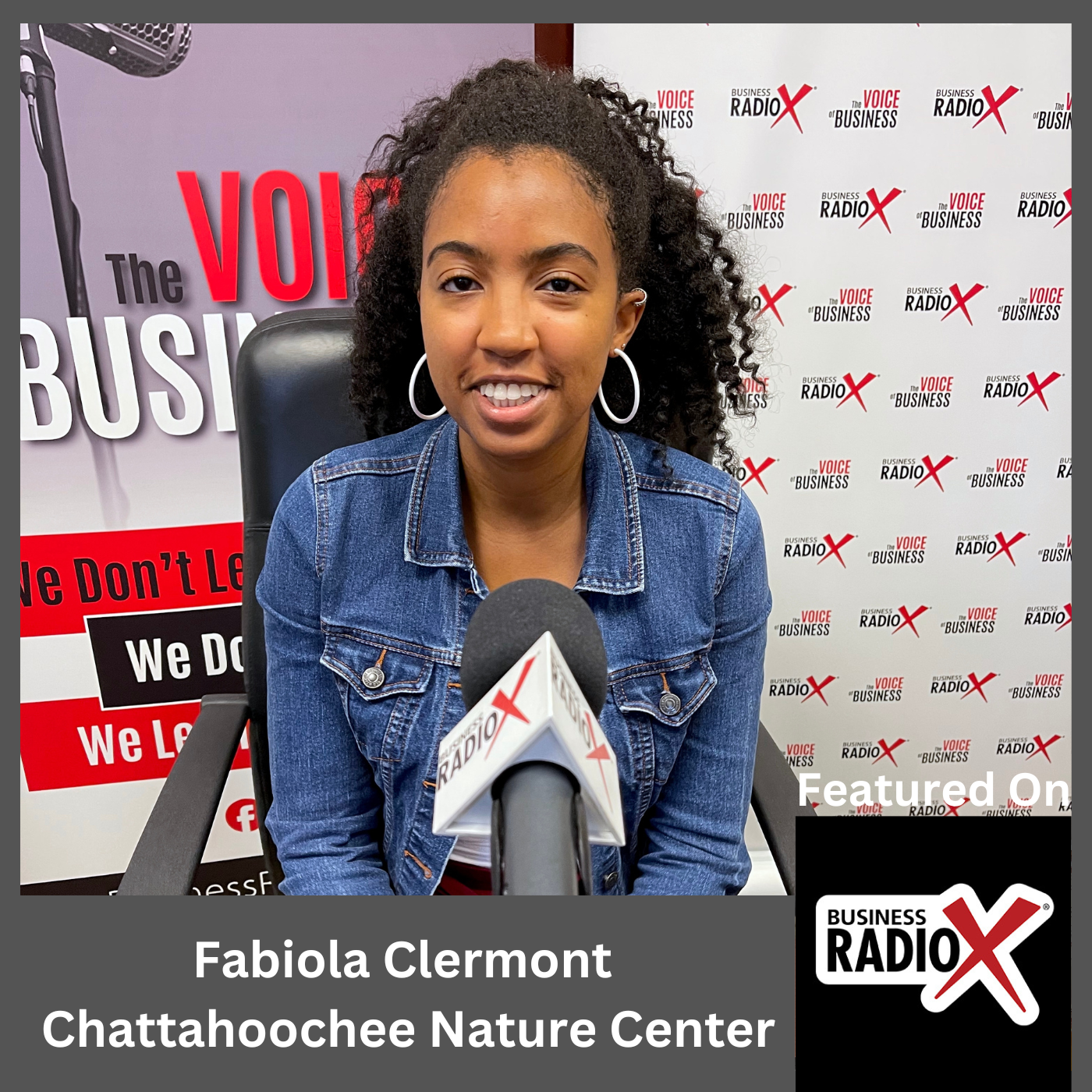
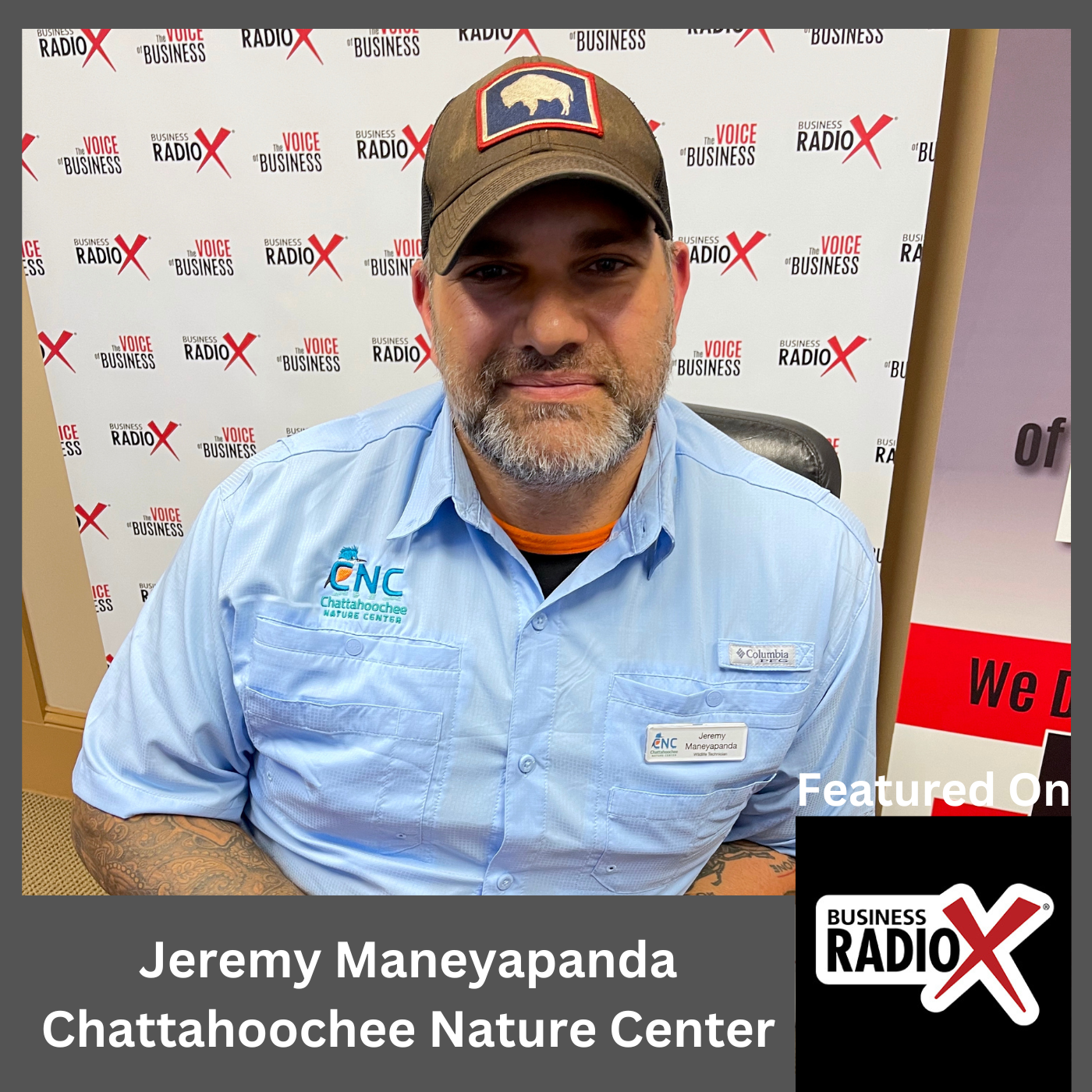
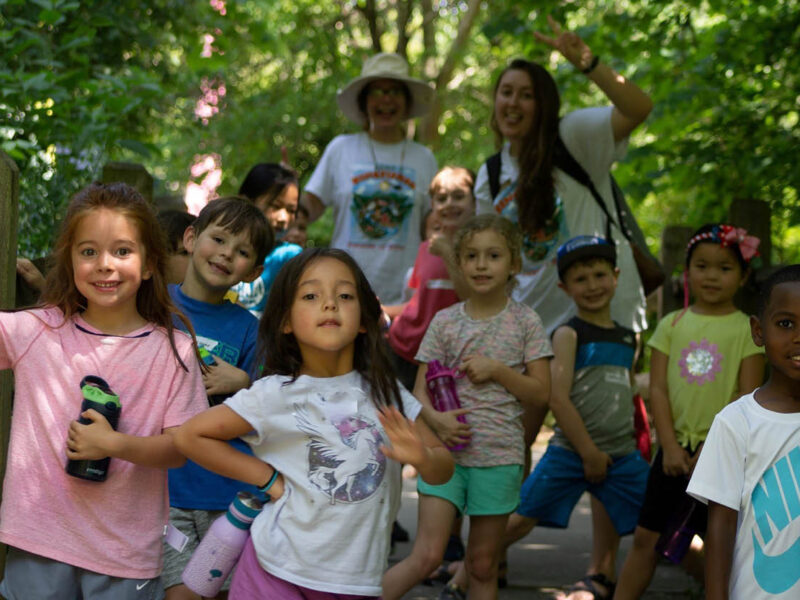
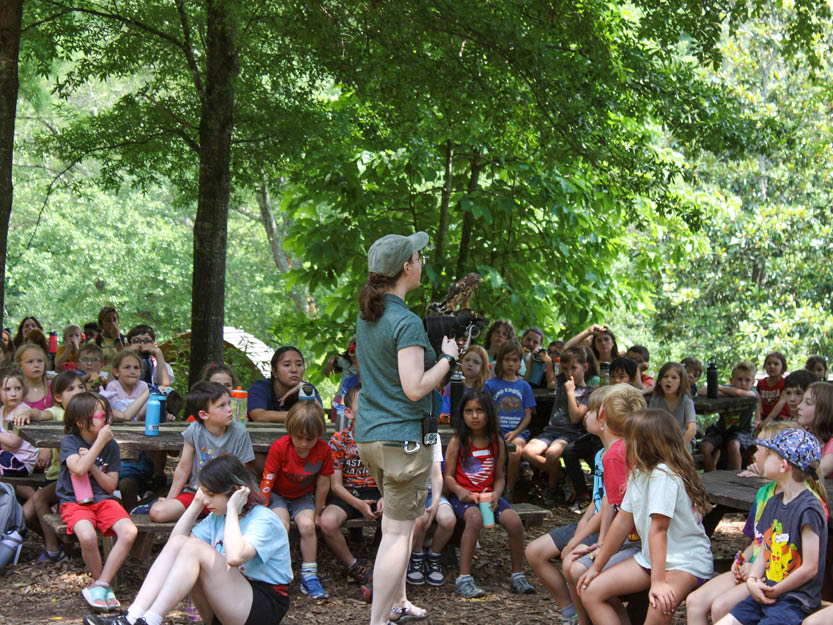 Since 1993, Camp Kingfisher has welcomed campers from around metro Atlanta and the entire world! From hiking along forest trails to canoeing through tranquil waterways, every day brings new adventures and discoveries. Set amidst the lush woodlands and serene banks of the Chattahoochee River, the camp offers an unparalleled opportunity for children to explore and connect with the natural world.
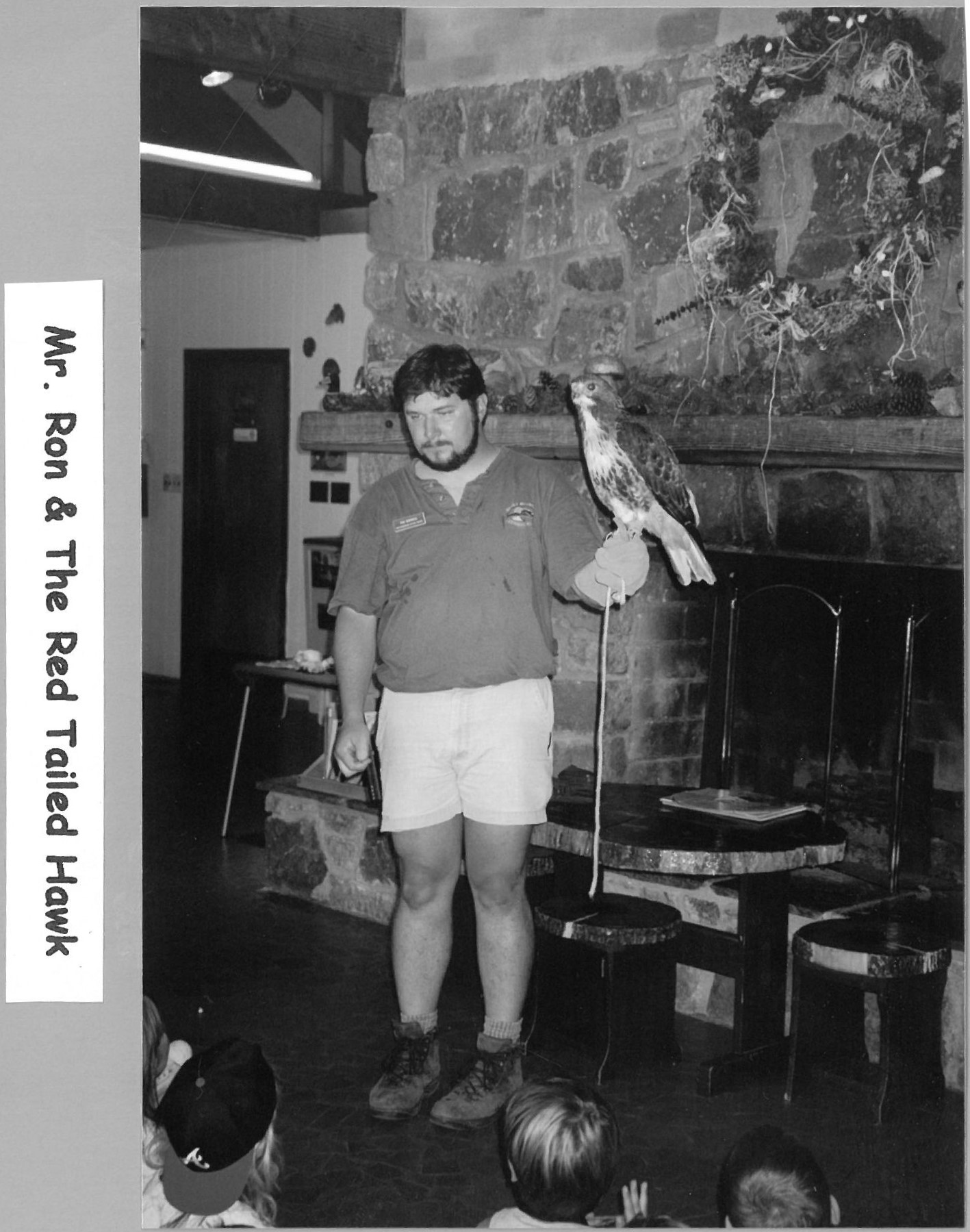 Ronald Warnken, Jr., Camp Kingfisher’s first Camp Director, remembers Debby as an eager young camper-turned-counselor. Ron came to CNC in his 20s with a wildlife management degree from UGA and a second degree in environmental education. He had volunteered at nature centers during his school years, spent a year touring America’s National Parks, then ran a nature program at a summer camp. His mom, Sally Warnken, a longtime Docent at CNC, told him of the CNC job opening for Camp Director.
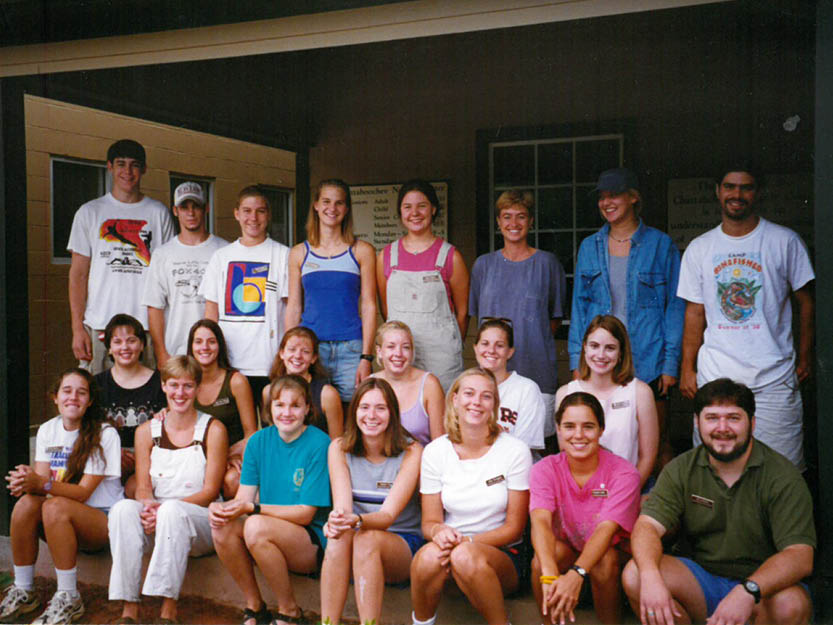 Under Ron’s leadership, Camp Kingfisher grew each year and kept a robust waiting list due to its reputation as a safe, fun, wholesome educational environment for children. He added more weeks, developed new themes, and hired more staff. When he left the role, he had 20 counselors working for him.
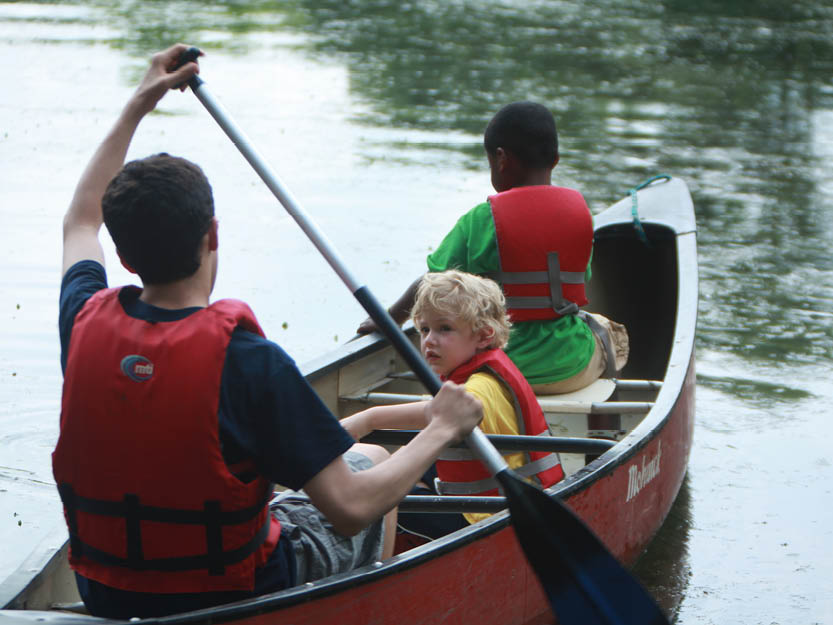 Camp Co-Directors Debby Head and Laura Viator have continued to grow and contribute to the camp’s success, which lies in its ability to combine education with fun-filled activities, resulting in an unforgettable summer experience. Campers explore a diverse range of activities, including animal encounters, wildlife observation and habitat study, organic gardening, native plant identification, archery, canoeing, swimming, nature-inspired crafts, and scientific experiments. Experiential learning is the focus, and counselors encourage campers to get their hands dirty and immerse themselves in nature.