You’re invited to a virtual wildlife baby shower
Support the Wildlife Department through spring baby season
As CNC undergoes facility improvements and upgrades this winter, the Wildlife Department’s annual fundraiser and supply drive will be held virtually throughout February 2026.
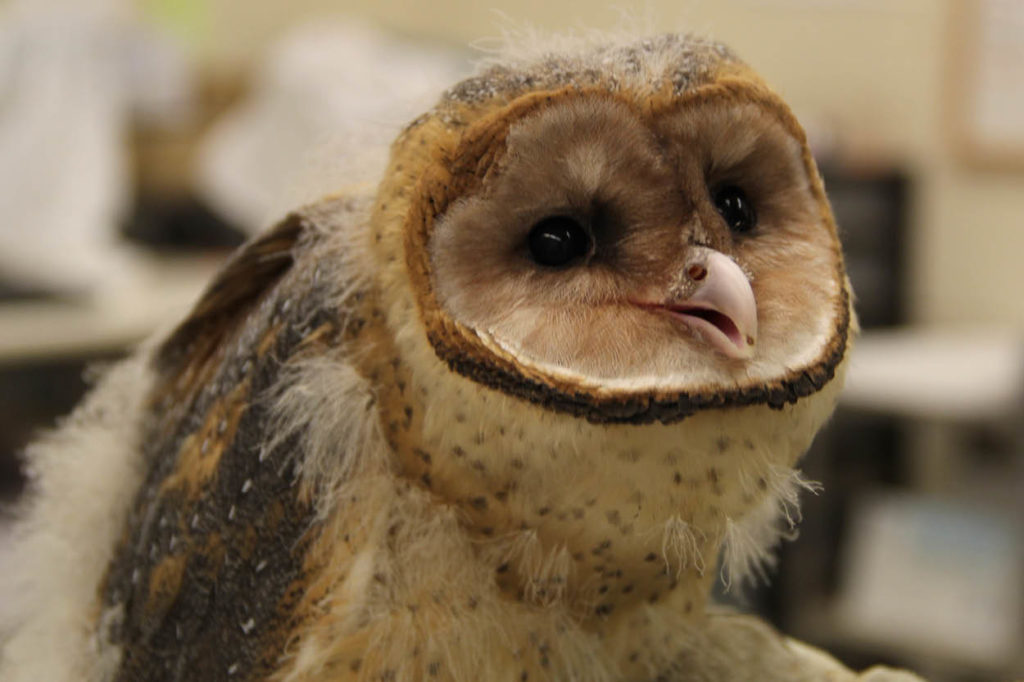
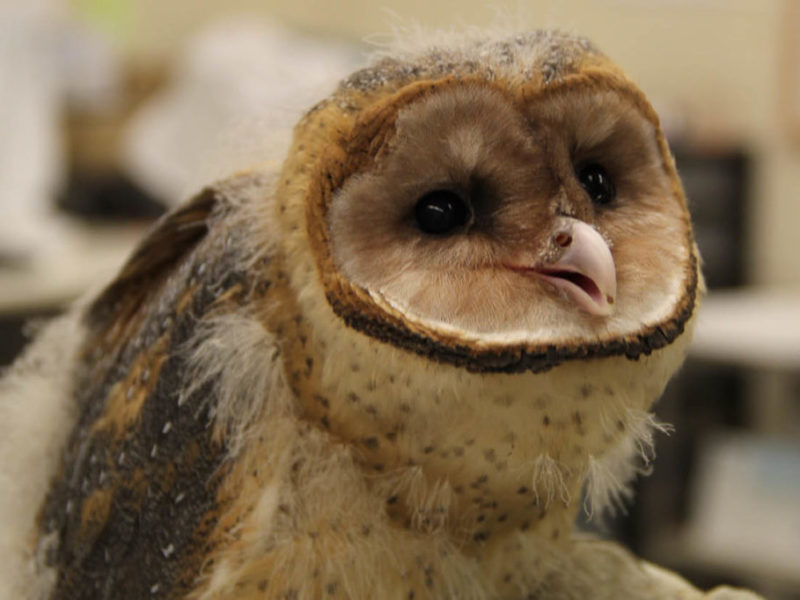
Spring is the busiest—and most important—time of year for wildlife babies. While young animals may be adorable in their first weeks of life, caring for them requires significant time, expertise, and resources, as CNC’s wildlife rehabilitators know all too well.
Join us in celebrating a wildlife baby shower and learn more about CNC’s work with injured and orphaned raptors, reptiles, and amphibians. Throughout February, the Wildlife Clinic will share educational posts, photos, and videos on the Wildlife Rehabilitation Facebook page (@CNCWildlifeRehab), offering a behind-the-scenes look at wildlife rehabilitation and the vital role community support plays. Please feel free to email the Wildlife Clinic, if there are any specific situations or questions you would like us to address!
The Wildlife Department relies heavily on donations to continue its work. Licensed Wildlife Rehabilitators are not permitted to charge for their services or receive tax funding. Without community support, CNC would not be able to care for the many baby animals that arrive each spring.
As spring brings new growth, warmer temperatures, and increased wildlife activity, CNC receives a surge of calls and emails about baby animals—over 300 inquiries per month during peak season. Although CNC is licensed to care specifically for raptors, reptiles, and amphibians, staff provide guidance for wildlife of all species. In 2025 alone, CNC treated more than 800 animals, over 200 of which were under one year old. Juvenile animals typically cost nearly three times more to rehabilitate than adults, largely due to increased nutritional needs.
So why is spring such a critical time for wildlife babies?
Wildlife Director Kathryn Dudeck explains:
“With warmer weather approaching, plants begin to sprout and bud, providing abundant food for smaller animals like rabbits, chipmunks, and songbirds. This signals ideal conditions for raising young. As prey species give birth, predators—such as raptors—time their breeding seasons accordingly.”
For example, Eastern cottontail rabbits breed from February through September, while Great Horned Owls—one of their primary predators—often lay eggs as early as January to ensure enough prey is available to feed their chicks.
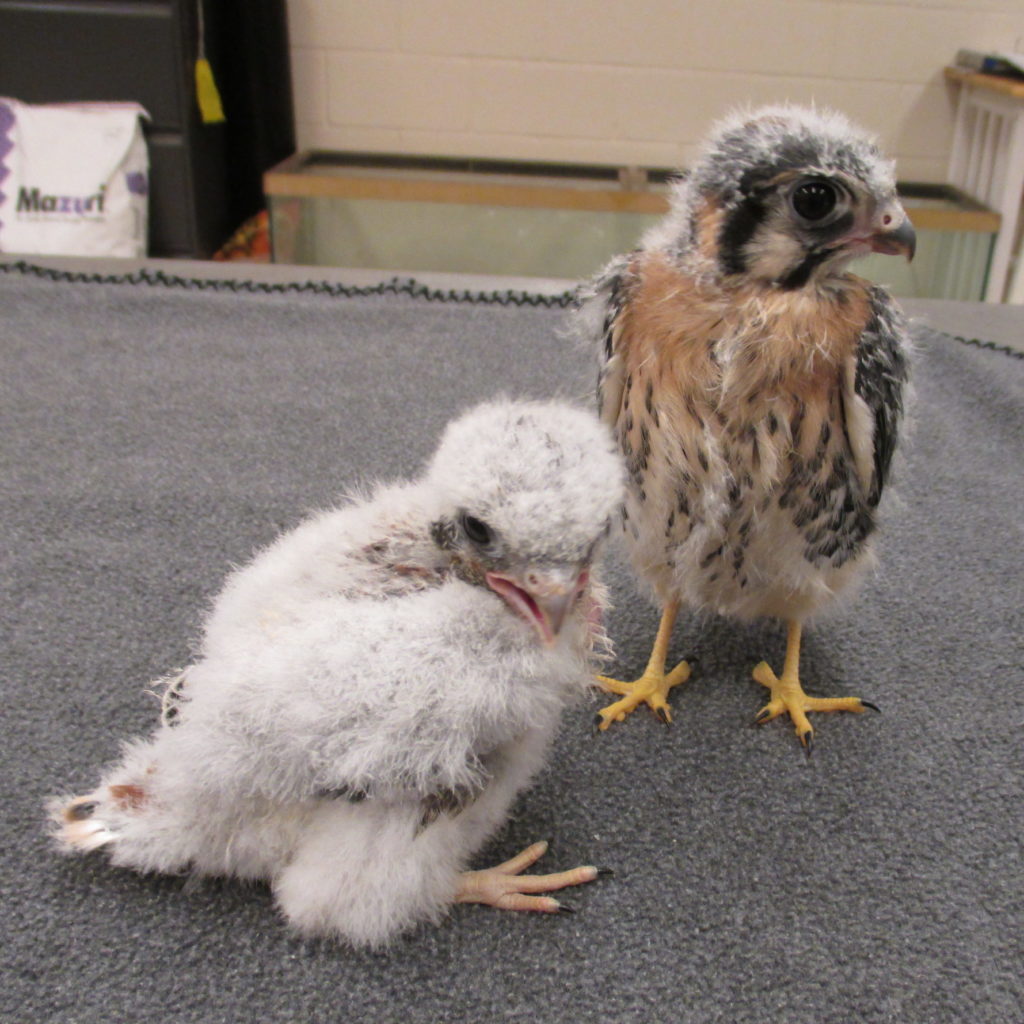
Caring for young wildlife can be complex and varies by species. Many reptiles native to north Georgia are fully independent from the moment they hatch and do not require parental care. Well-meaning people sometimes bring hatchling turtles to CNC, assuming they are orphaned—but in most cases, they are perfectly fine and should be left alone.
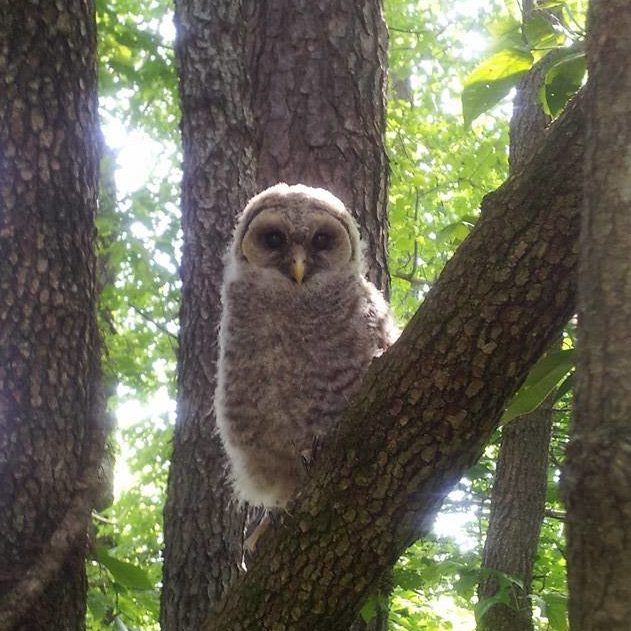
Raptors, however, present different challenges. Young birds of prey often arrive at CNC due to nest loss from storms or human disturbance, or simply because they are inexperienced flyers.
“Yes, even raptors go through an awkward phase,” Dudeck said.
“At around six to eight weeks old, they begin leaving the nest to perch nearby and strengthen their flight muscles. Sometimes they miss a landing and end up on the ground, uninjured but vulnerable.”
Young raptors often require intensive care, including frequent feedings and specially prepared diets. To prevent imprinting on humans, CNC staff wear camouflage ghillie suits, use recorded food-begging calls, and, in the case of vultures, place feathers from resident birds nearby to provide familiar scents.
Whenever possible, CNC works to reunite uninjured young animals with their parents. If reunification isn’t an option, non-releasable resident birds may serve as temporary foster parents.
- If you encounter a baby animal this spring, please remember:
Observe from a distance—parents may be nearby foraging. - If parents are not observed, contact a licensed wildlife rehabilitator. Do not attempt to feed or handle the animal, as improper care can be harmful.
- Contact Animal Help Now (ahnow.org) to find a local rehabilitator and receive guidance.
How can you help?
Support CNC’s Wildlife Baby Shower by donating items from our wish list. The Amazon Wish list and other wish list items are listed below. Donations can be dropped off at the Discovery Center anytime between February 1 and February 28.
Make a donation to the Wildlife Department.
Learn more about the CNC Wildlife Department and the rehabilitation support they provide to raptors, reptiles, and amphibians.
Other Wish List items:
Reptibark substrate
Heavy-duty 25′ hoses
Pine/softwood shavings
24” and 36” cable/zip ties
Amazon gift cards
PetSmart and Petco gift cards
Kroger and Publix gift cards
Home Depot gift cards
Gift certificates to our food vendors:
RodentPro: Frozen Feeder Rodents – Frozen Mice & Feeder Rats for Premium-Quality Reptile and Bird of Prey Food | RodentPro
Mazuri:  Mazuri® Exotic Animal Products – You Do ‘Zu
American Rodent Supply www.americanrodent.com
Armstrong’s Cricket Farm: Buy Live Crickets and Worms
Fluker Farms: Cricket Quencher Calcium Fortified and High Calcium Cricket Diet
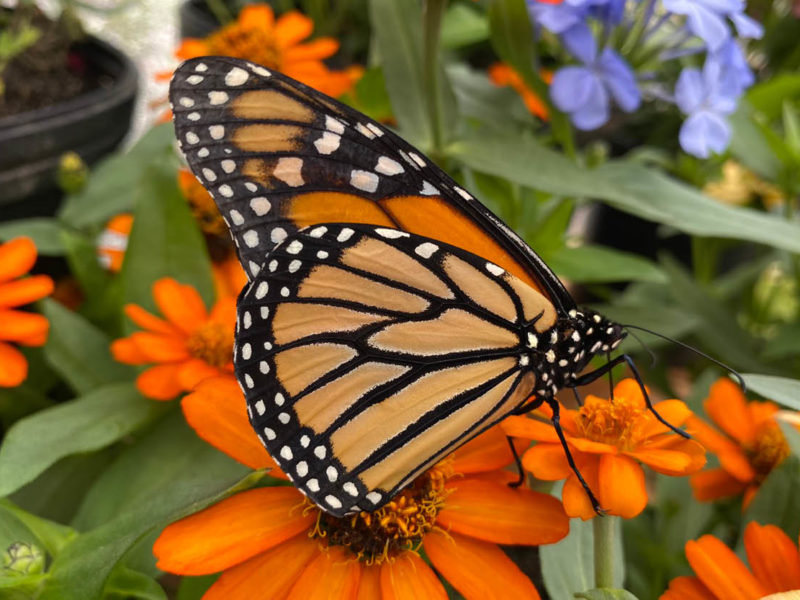
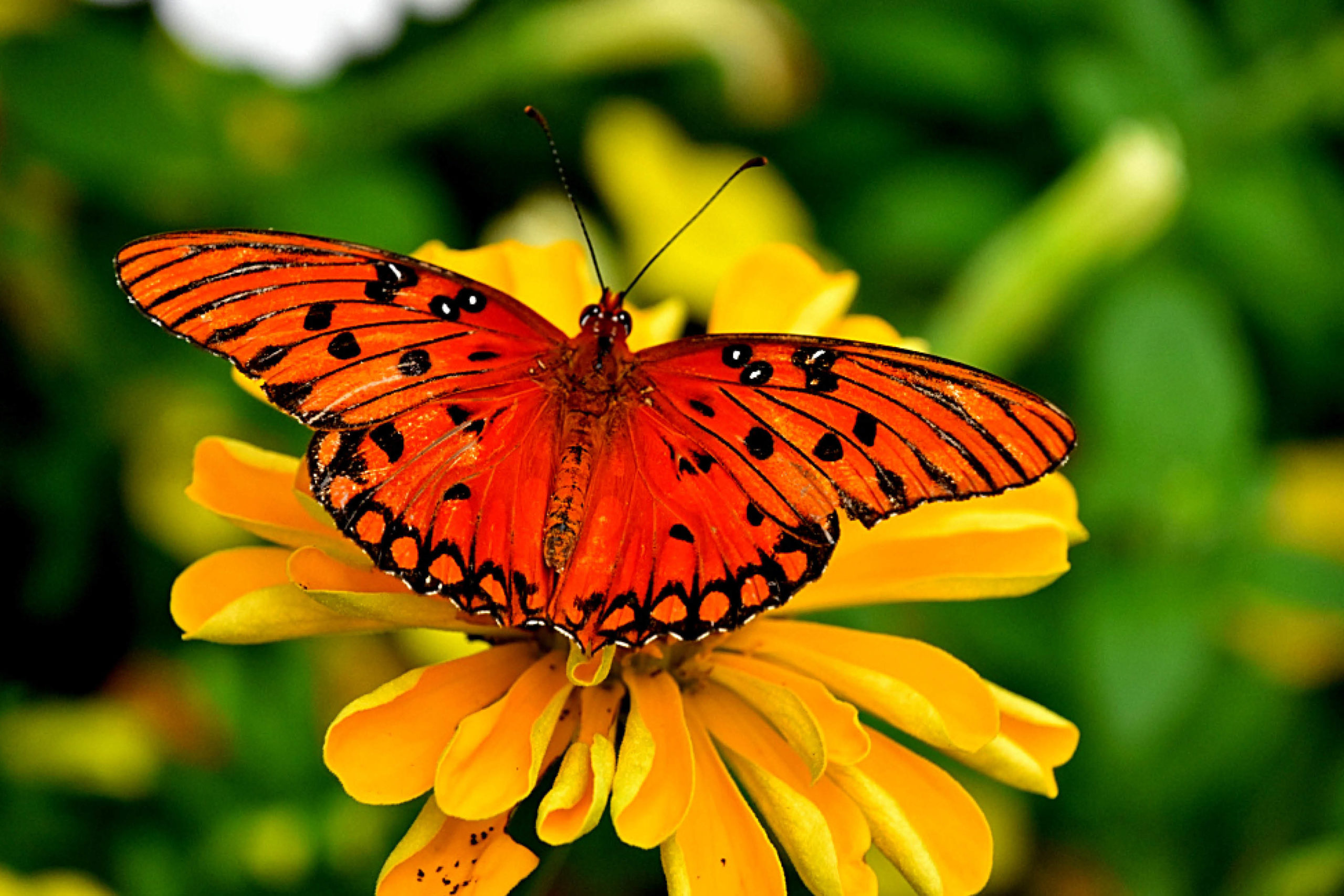 June kicks off with the 23rd Annual Butterfly Festival
 Get your heart pumping with exciting adventures like


 All of us at the CNC want to thank you for helping keep our admissions process safe by making a reservation prior to your visit. We appreciate your patience as we have worked to learn the reservation system, and your feedback has helped us to make improvements over time.
 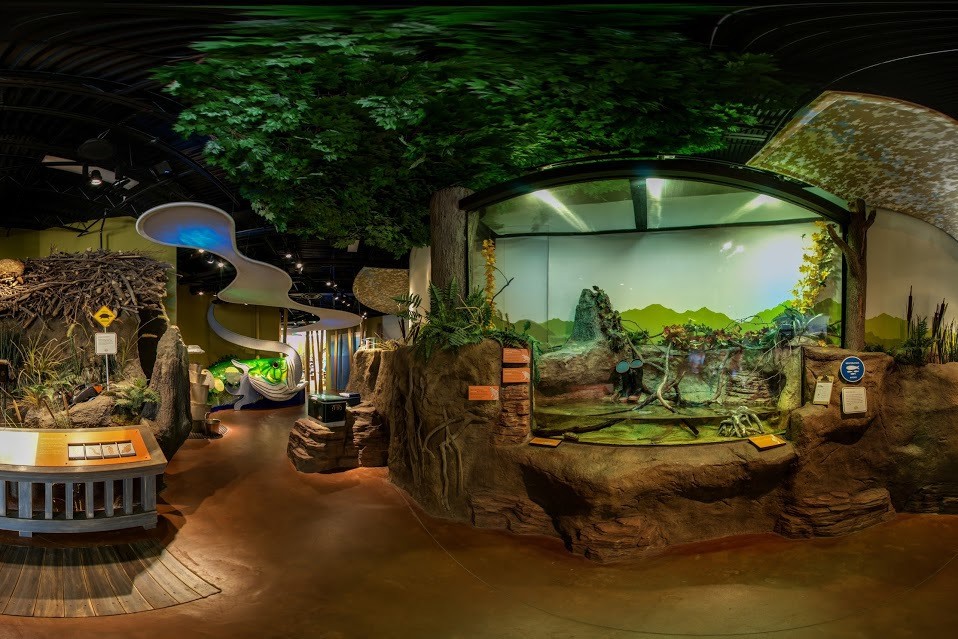 DISCOVERY CENTER LOWER LEVEL
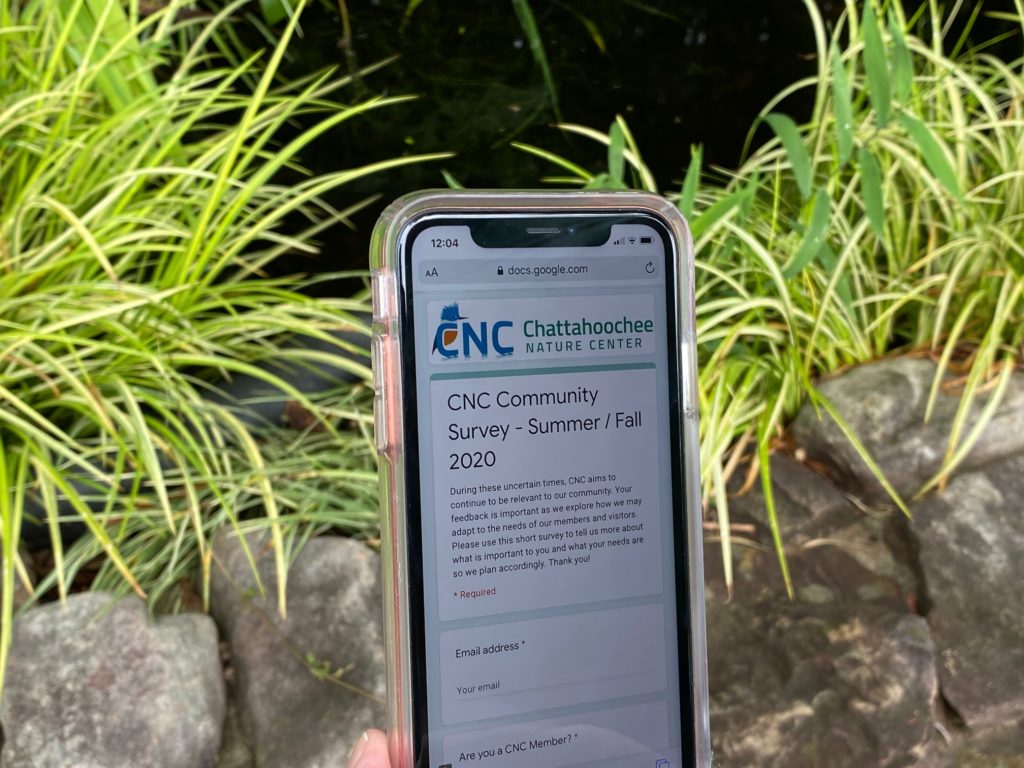 WE WANT TO HEAR FROM YOU!
 To catch up with the Box Turtle we took a trip to the woodland forest to track him down. He is so well camouflaged that it took a bit to find him, and he was answering our questions soooo slow that we asked him to email them to us. We knew that he needed to take his time. Check out below what he shared about Halloween Hikes and what he has been up to this year.